AI Zodiac Art Generator
A star sign is three different pictures wearing the same name. There is the glyph — the shorthand mark that fits on a ring or a wrist. There is the constellation — the actual scatter of stars, which looks almost nothing like the thing it is named after. And there is the figure — the lion, the archer, the water bearer — which is the one people picture and the one that carries a room. Choose the wrong one for the job and the artwork fails before the style matters. This AI zodiac art generator gives you all three at once, in six directions: celestial gold, mystical watercolour, minimal line art, dark fantasy, neon cyber and vintage star chart. Pick a style, name your sign, and see the finished piece in about twenty seconds at up to 4K.
Try It Now — Free
Pick the style first, then name your sign in the details box — every preset swaps to whichever of the twelve you ask for and keeps its palette, framing and finish identical. That is the part worth knowing: it is how you get a set of twelve that hangs together instead of twelve unrelated pictures.
AI Zodiac Art Generator
Pick a style, name your star sign, and get finished zodiac artwork in about twenty seconds
Artwork From the AI Zodiac Art Generator
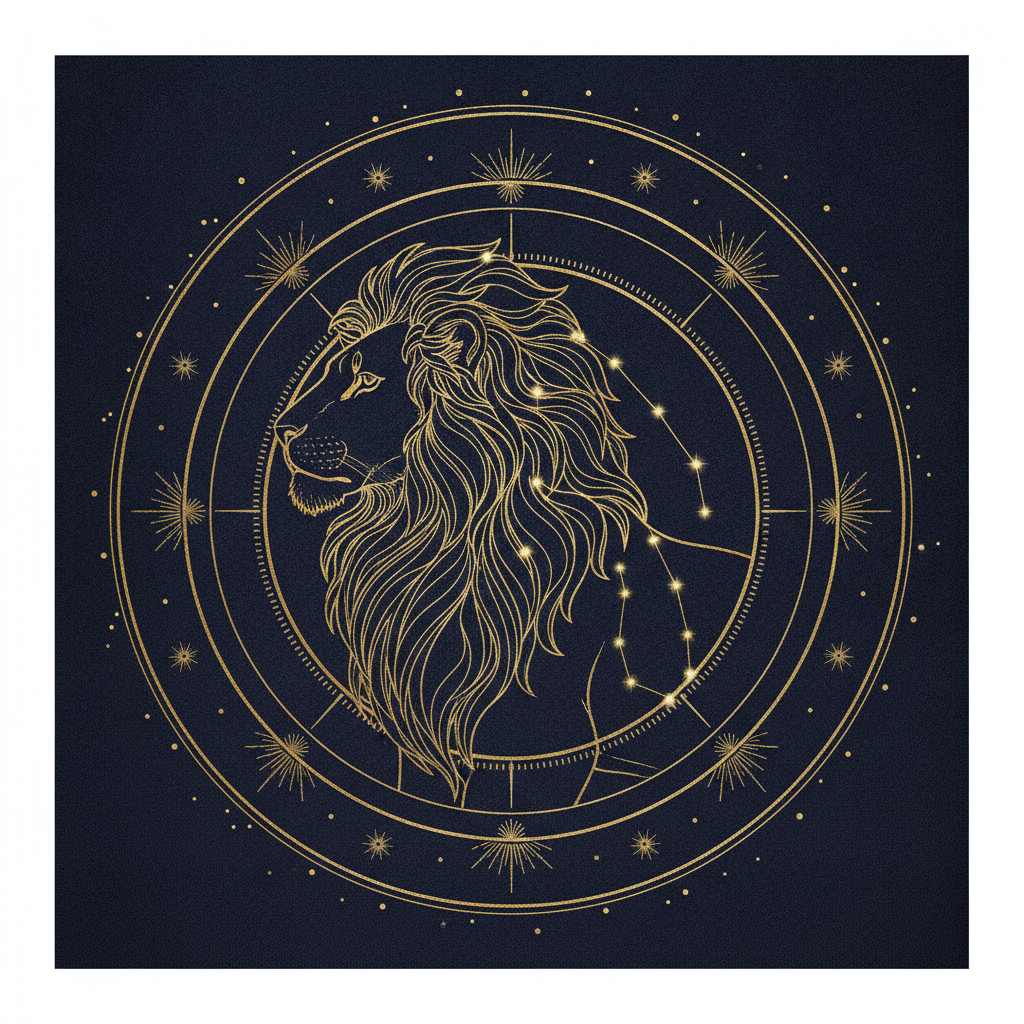
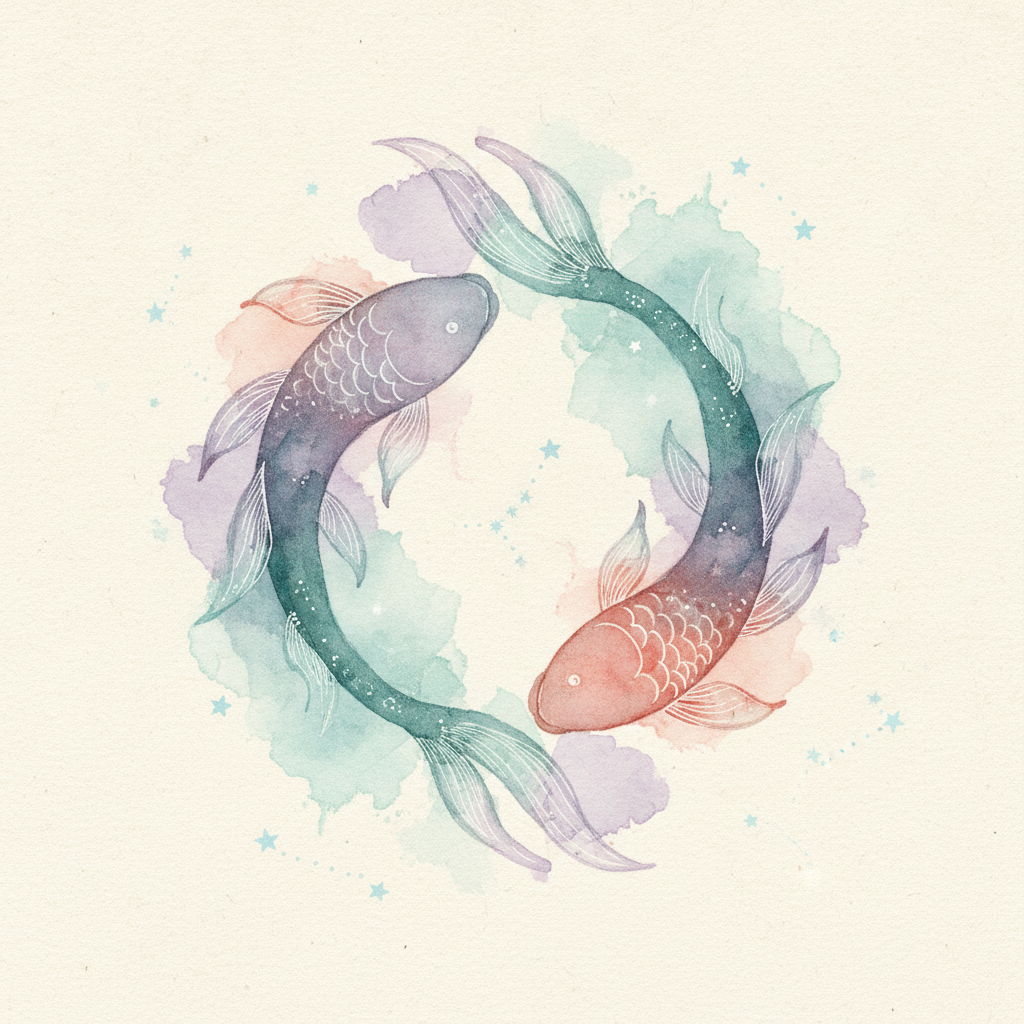
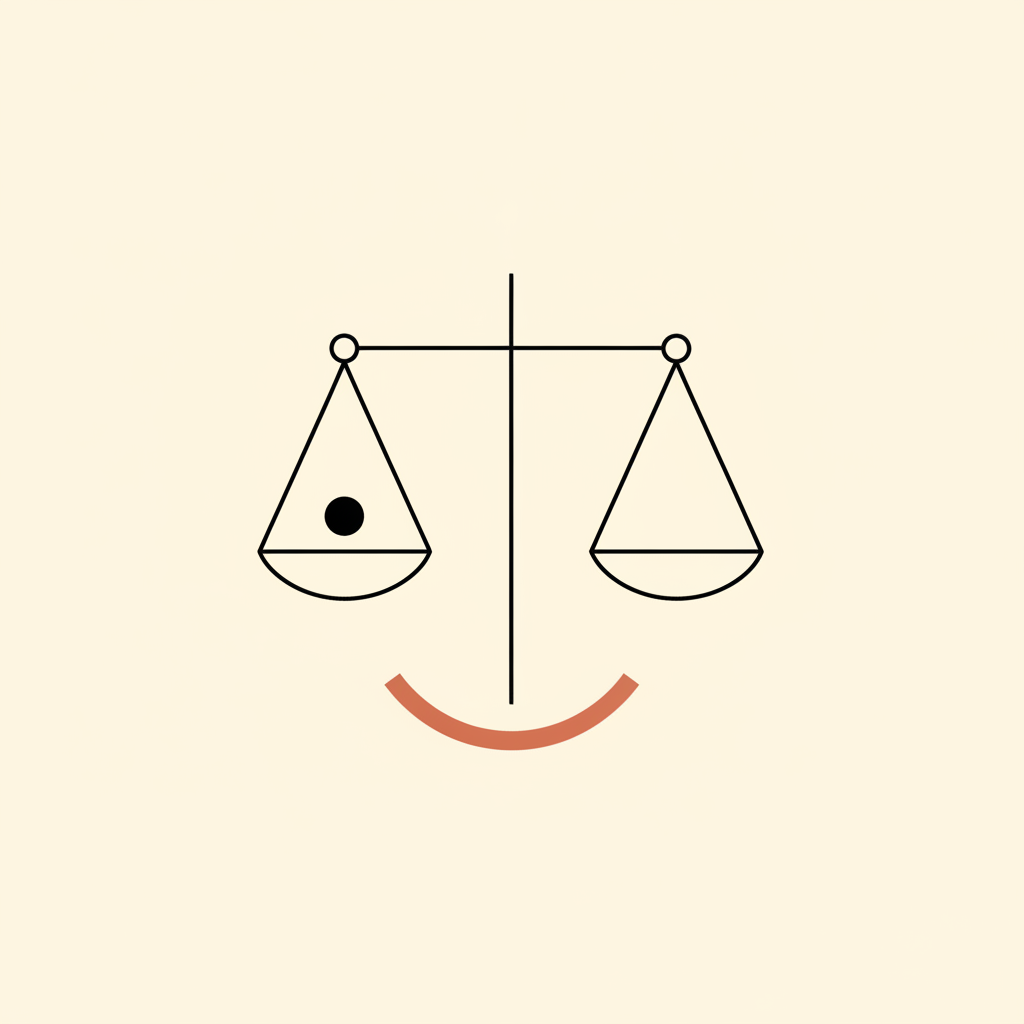
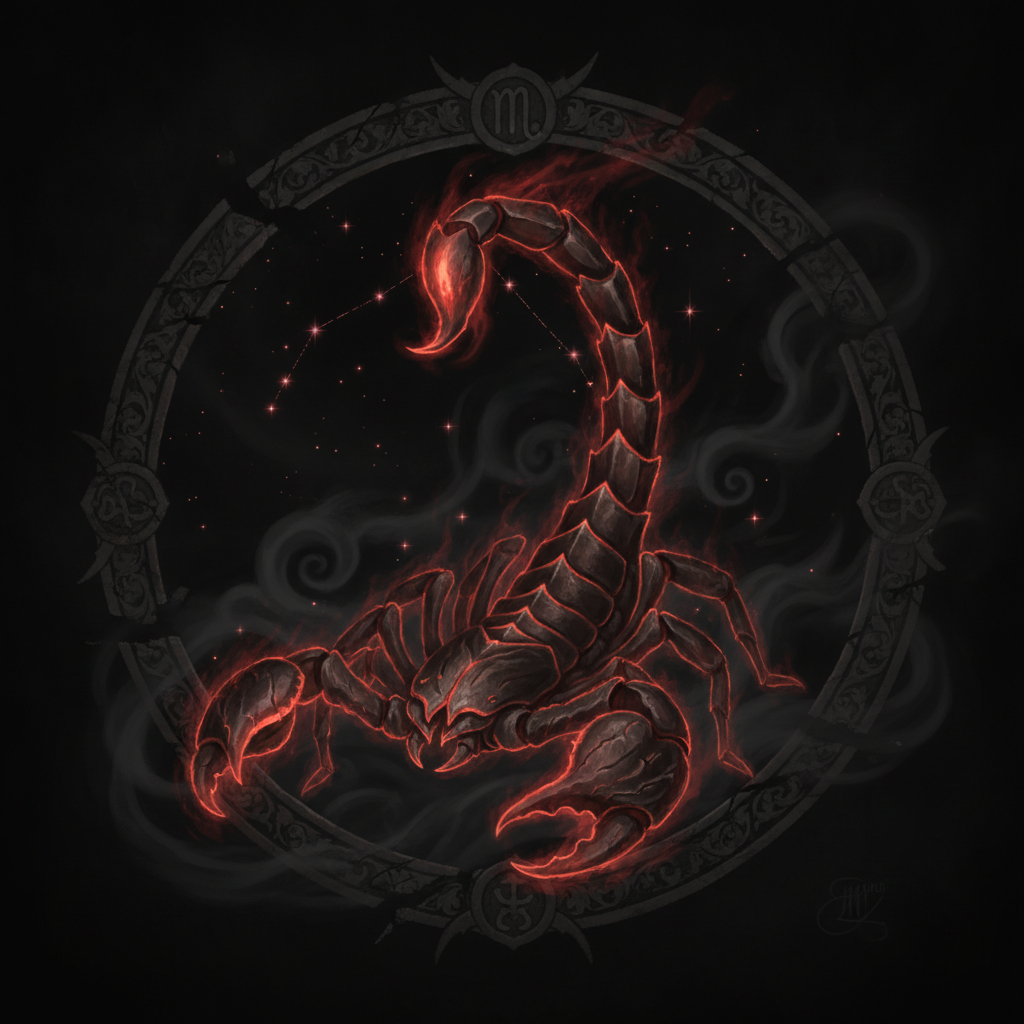
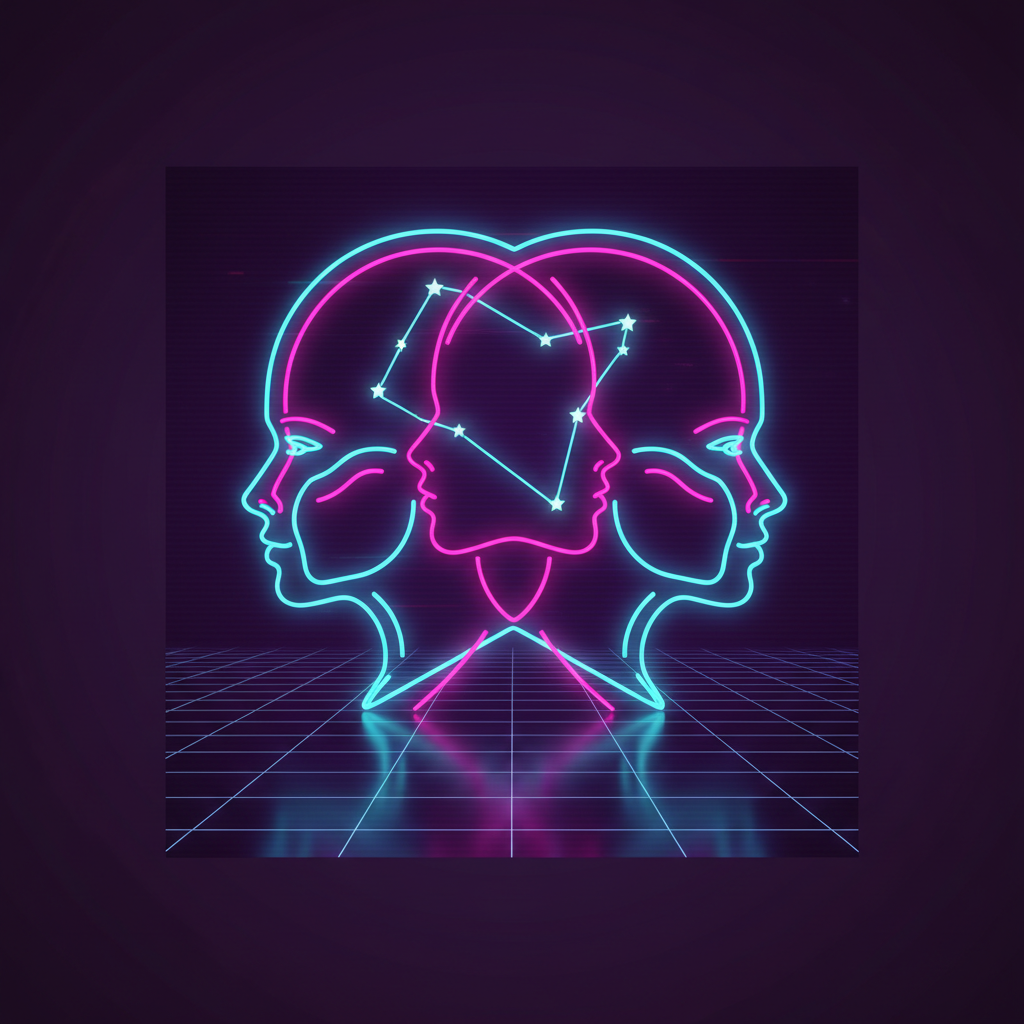
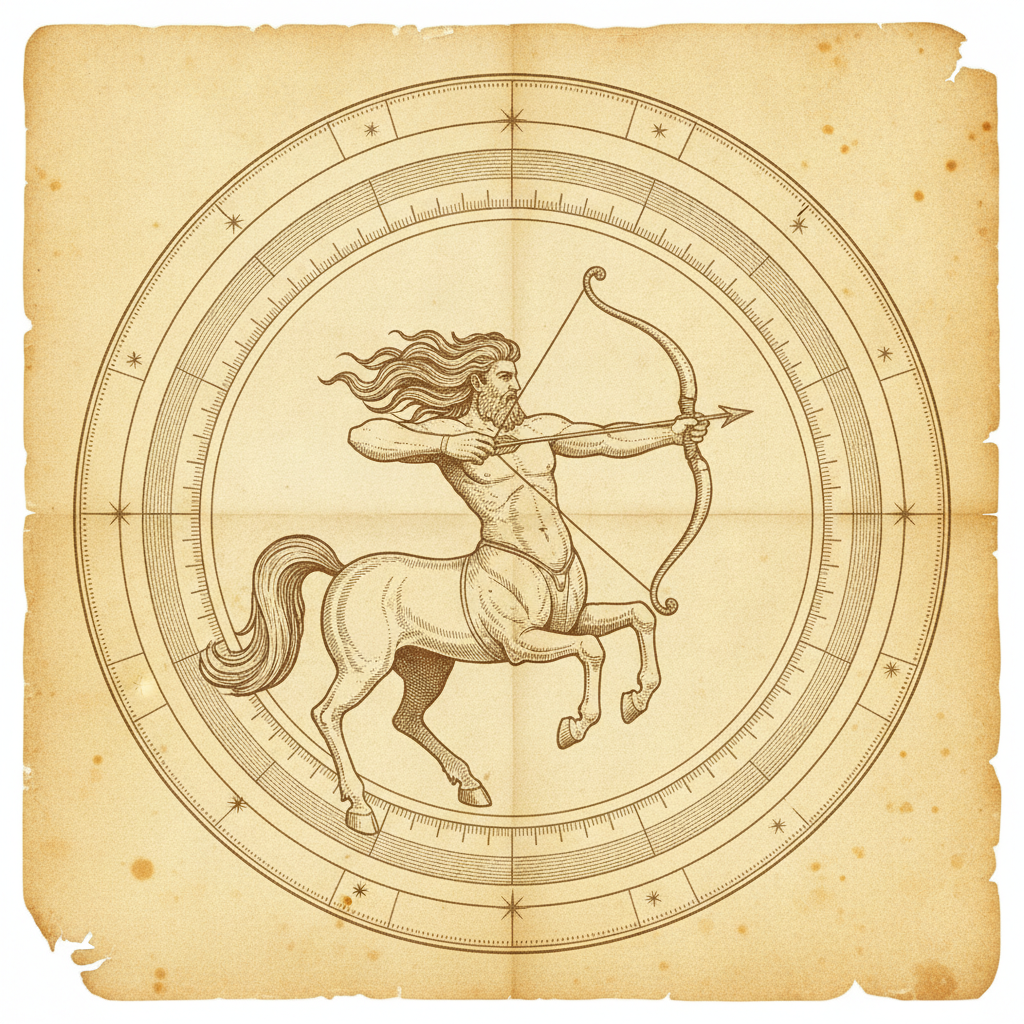
Celestial gold, mystical watercolour, minimal line art, dark fantasy, neon cyber and vintage star chart — six treatments that between them cover almost every way a star sign gets used
How the AI Zodiac Art Generator Works
Three steps from a birthday to artwork you can print, post or hand to a tattooist
Decide Which of the Three Pictures You Want
Every sign exists in three forms and they are not interchangeable. The glyph is the abstract shorthand — the two curved lines of Aries, the sideways M of Scorpio — and it is what you want for something tiny: a wrist tattoo, an app icon, a monogram on a card. The constellation is the real arrangement of stars, and its appeal is that it is astronomically true rather than that it looks like anything; it suits quiet minimal prints and anything that should read as a night sky rather than as a cartoon. The figure is the lion, the twins, the ram, the archer, and it is the only one of the three with enough visual weight to carry a large print on a wall or a phone wallpaper seen at a glance. Most of the artwork people actually want is a figure with the constellation laid over it and the glyph tucked somewhere small — say which of the three should lead in the details box and the composition organises itself around it.
Name the Sign and Fix the Palette
Type the sign into the details box and the preset swaps the subject while holding everything else still. That constraint is the whole trick behind a good zodiac set: twelve pieces that share one palette, one border treatment and one level of detail look like a collection, and twelve pieces generated freely look like twelve pictures that happened to arrive on the same day. So decide the palette once — gold on navy, sepia on parchment, cyan and magenta on violet — and repeat it deliberately across all twelve rather than letting each sign pull its own colours from its element. If you do want the elements to speak, do it in a controlled way: keep the same layout and shift only the accent, warm for the fire signs, cool for water, earthy for earth, pale for air. Say that once and it holds across the run.
Generate, Then Take It Where It Is Going
Each piece arrives in about twenty seconds at up to 4K, square, which is the right shape for a social post, an album-style print or a phone lock screen crop. Where it goes next decides what you ask for. For a print, regenerate at the finished proportion rather than stretching the square, and be honest about how much fine linework survives at A3. For a tattoo, ask for the flat black artwork on white with no background, no shading and no gradient, because a tattooist needs a stencil and not a painting — and take it as a reference for the artist to redraw, not as a file to trace. For a phone wallpaper, keep the top third and the middle clear so the clock and the icons do not land on the figure. And for a product listing, generate the set first and pick the strongest three to lead with.
Why Use an AI Zodiac Art Generator
Six things that decide whether zodiac artwork reads as a considered collection or as twelve stock pictures
Twelve Signs Is a Set, Not Twelve Jobs
Almost nobody wants one sign. A shop wants all twelve so a customer can find theirs, a gift maker wants twelve so every birthday is covered, and an illustrator pitching a deck wants twelve so the client can see the range. That turns the real problem from drawing a good lion into drawing twelve things that look like they belong to each other — and it is where hand-drawn zodiac series usually come apart, because the artist gets better across the run and sign one no longer matches sign twelve. Consistency has to be designed rather than hoped for. Fix the frame, the border, the background, the line weight and the palette, then change only the creature. The presets here are built that way: naming a different sign in the details box swaps the subject and leaves the treatment alone, so you can produce a full twelve in the time a single commissioned illustration takes to brief, and they will still read as a family when they are hung in a grid.
Six Creatures, Four People, and Two Objects
The twelve signs are not twelve of the same thing, and pretending otherwise is why so many zodiac sets have three weak entries. Six are animals — ram, bull, crab, lion, scorpion, fish — and they are the easy ones, because an image model draws animals extremely well and they carry a composition on their own. Four are human or part-human: the twins, the maiden, the archer centaur, the water bearer. Those are harder, because faces and hands are where generated images still go wrong most often, and because a human figure drags in questions of age, gender and ethnicity that an animal does not. Two are objects: Libra is a pair of scales and Capricorn is a chimera of goat and fish that almost nobody can picture. The practical answers are to lean on the constellation and the glyph for the object signs where a literal figure would look thin, to crop human signs to a silhouette or a profile rather than a detailed face when the style allows it, and to check the four human signs more carefully than the six animals before you publish a set.
The Constellation Is Not a Picture of the Animal
This is the detail that separates zodiac art that astronomy-minded buyers respect from the kind they quietly mock. The constellations are real star patterns with fixed, well-documented shapes: Leo genuinely has a sickle-shaped head of stars, the Big Dipper is not a zodiac constellation at all, and none of the twelve looks meaningfully like the creature it is named for. An image model asked for a constellation will happily invent a plausible scatter of dots and join them into the outline of a lion, which is beautiful and wrong. Decide up front which you are making. If the star pattern is decorative — a sprinkle of light behind the figure, a suggestion of night sky — say so and enjoy it. If it needs to be accurate, because you are selling to people who will check or because the piece is essentially a star map, then generate the artwork here and overlay a correct star chart yourself from a reference, or keep the stars sparse and abstract enough that no false claim is being made. The one thing to avoid is an invented pattern presented as the real one.
Sign Names and Dates Are the Riskiest Thing on the Page
Nearly every commercial zodiac product carries lettering: the sign name, the date range, sometimes a one-word trait or a birth date for a personalised gift. It is also the single most likely thing to go wrong. Nano Banana Pro renders short common words on artwork better than most image models, but zodiac vocabulary is exactly the vocabulary that trips models up — Sagittarius, Capricorn and Aquarius are long, uncommon and easy to mangle, and a doubled letter in a nine-character word is easy to miss on a thumbnail and impossible to miss on a printed poster. The date ranges are worse, because a wrong number is not a typo the buyer forgives; it is a refund. Treat any generated lettering as a layout comp showing where type should sit and how big it should be, then set the type yourself in a design tool for anything you sell. The presets on this page deliberately generate without text for that reason, which also leaves the space clean for you to add your own.
Where It Ends Up Changes What You Should Ask For
Zodiac art has four main destinations and each wants something different. Wall prints and posters want the figure large, the palette limited and the detail robust enough to survive being viewed from three metres — and they want the file regenerated at the print proportion rather than a square stretched to fit. Phone and desktop wallpapers want deliberate empty space where the clock, the widgets and the icon grid land, which usually means pushing the composition low and keeping the top third quiet. Tattoo references want flat black on white, no gradient, no background and simplified linework, because everything subtle disappears in skin over ten years — and they want handing to an artist as a reference to redraw rather than as a file to copy. Print-on-demand products want the artwork tested against the actual product colour, since a piece designed on midnight navy looks completely different printed on a natural cotton tote. Say the destination in the details box and the composition adjusts to it.
Free to Start, $9.98 to Go Further
You can generate zodiac artwork free without a credit card, which is enough to find out whether a style holds up across two or three signs before you commit to a full set. Paid plans start at $9.98 for the work that actually takes volume: running all twelve signs through one style, then running the same twelve through a second style to compare, then the repeated passes it takes to get one difficult sign — usually Capricorn or Libra — up to the standard of the other eleven. Output reaches 4K without a watermark and is cleared for commercial use, which is what matters once the set is heading to an Etsy shop, a print-on-demand supplier or a client. Against a commissioned illustrated zodiac series, which typically runs to several hundred dollars and several weeks for twelve pieces, generating the set in an afternoon and spending your time on the three that need real work is a different way to make the same product.
Frequently Asked Questions
Common questions about using an AI zodiac art generator
Make Your Star Sign in Twenty Seconds
Pick a style, name your sign, and get finished zodiac artwork at up to 4K — celestial gold, mystical watercolour, minimal line art, dark fantasy, neon cyber or vintage star chart. Powered by Nano Banana Pro. Free to start, plans from $9.98.
Twelve Pictures That Have to Agree: the AI Zodiac Art Generator
Zodiac art is one of the oldest illustration briefs there is, and it has always had the same shape. Nobody commissions a lion. They commission twelve pieces, of which the lion is one, and the work that makes the set good is not the drawing of any single sign but the discipline of keeping all twelve in the same voice. That is why an illustrated zodiac series traditionally costs several hundred dollars and takes weeks: eleven of the twelve are straightforward, and the value is in the consistency and in the two or three that fight back. An AI zodiac art generator changes the economics of the easy eleven. You describe the style once, name each sign in turn, and the set arrives in an afternoon — which leaves your attention for the pieces that actually need it.
The six presets exist because the twelve signs get used in wildly different places and each place wants a different treatment. Celestial gold is the default picture in most people's heads and the one that sells as a poster. Minimal line art is what hangs in a room that is not decorated around astrology, and it is the only one of the six that translates cleanly into a tattoo. Mystical watercolour is the gifting and stationery register. Dark fantasy suits merchandise with an edge, neon cyber lives on a screen rather than on paper, and vintage star chart reads as an artefact rather than a graphic. Underneath all six the same three-part decision recurs: whether the glyph, the constellation or the figure should lead. Get that right and the style is almost a formality; get it wrong and no amount of finish rescues the piece.
Two habits improve nearly every zodiac set. Fix the palette and the frame before you generate the first sign, and then refuse to improve them halfway through the twelve — the temptation to keep refining is exactly what makes sign one and sign twelve look unrelated. And spend your extra passes where the difficulty actually is: on Libra and Capricorn, which are an object and a hybrid rather than animals, and on Gemini, Virgo, Sagittarius and Aquarius, which involve human figures. The six animal signs will look after themselves.
What the AI Zodiac Art Generator Will Not Do
It will not plot real stars. The constellations it draws are ornamental — designed to sit well behind a figure rather than to match celestial coordinates — so if the piece is meant to be an accurate star map, overlay a real chart yourself or keep the stars abstract enough to make no claim. It will not set reliable lettering either, which is why these presets generate clean: sign names and date ranges are long, uncommon and numeric, exactly the material image models get wrong, so add your type afterwards in a tool where you control the font. And it will not produce a print-ready file at your finished proportions — regenerate at the ratio you need, then clean up with the AI background remover and enlarge with the 4K image upscaler so the fine linework survives at poster size.
For neighbouring jobs there are better fits. The AI tarot card generator is the right tool for the other great occult card set, the AI mandala generator handles symmetrical spiritual geometry, and the AI tattoo generator is built for flash and stencil work rather than for prints. To hang the finished set, the AI wall art generator and the AI poster generator cover framing and layout, the AI wallpaper generator handles the phone and desktop crops, and the AI sticker generator turns a twelve-sign set into the merchandise it usually becomes. For any lettering, text in images explains what type the model can reliably set.
Within those limits the work is yours to use. Output reaches 4K with no watermark and is cleared for commercial use, which covers Etsy and Shopify listings, print-on-demand shops, stationery and homeware lines, social content and client jobs alike. Keep other people's property out of it — licensed characters and the style of a specific named living artist, both of which this genre attracts more than most. Check the AI policy of whichever marketplace you sell through, and know that in the United States purely AI-generated images are not registrable for copyright, so selling the print is fine but stopping an imitator may not be. It is free to start with no credit card and plans begin at $9.98. Pick a style, name your sign, and see the whole set before you commit to one.
Try the AI zodiac art generator free today. Pick one of six zodiac art styles, name any of the twelve signs, and get finished artwork at up to 4K. No credit card required to start. Paid plans from $9.98.