
AI Living Room Design Generator
Mood boards are easy to collect and almost useless for deciding, because a beautiful room on Pinterest tells you nothing about whether it would work in yours. This AI living room design generator answers the question you actually have: what would my room look like in that style? Photograph your living room from the doorway, pick a style — modern minimal, Scandinavian, mid-century modern, Japandi, bohemian or industrial loft — and get a photorealistic redesign of the same room, with your windows, doors and proportions kept, at up to 4K in about twenty seconds.
Try It Now — Free
Upload a photo taken from the doorway with the lights on and the curtains open, pick a style, and the redesign comes back in about twenty seconds at up to 4K. Shoot from the doorway rather than the middle of the room — you want the whole far wall, the floor and the window in one frame.
AI Living Room Design Generator
Upload a photo of your living room, pick a style, and see a photorealistic redesign of the same room in seconds
Upload a photo of your living room taken from the doorway with the lights on, then select a style below
Rooms From the AI Living Room Design Generator
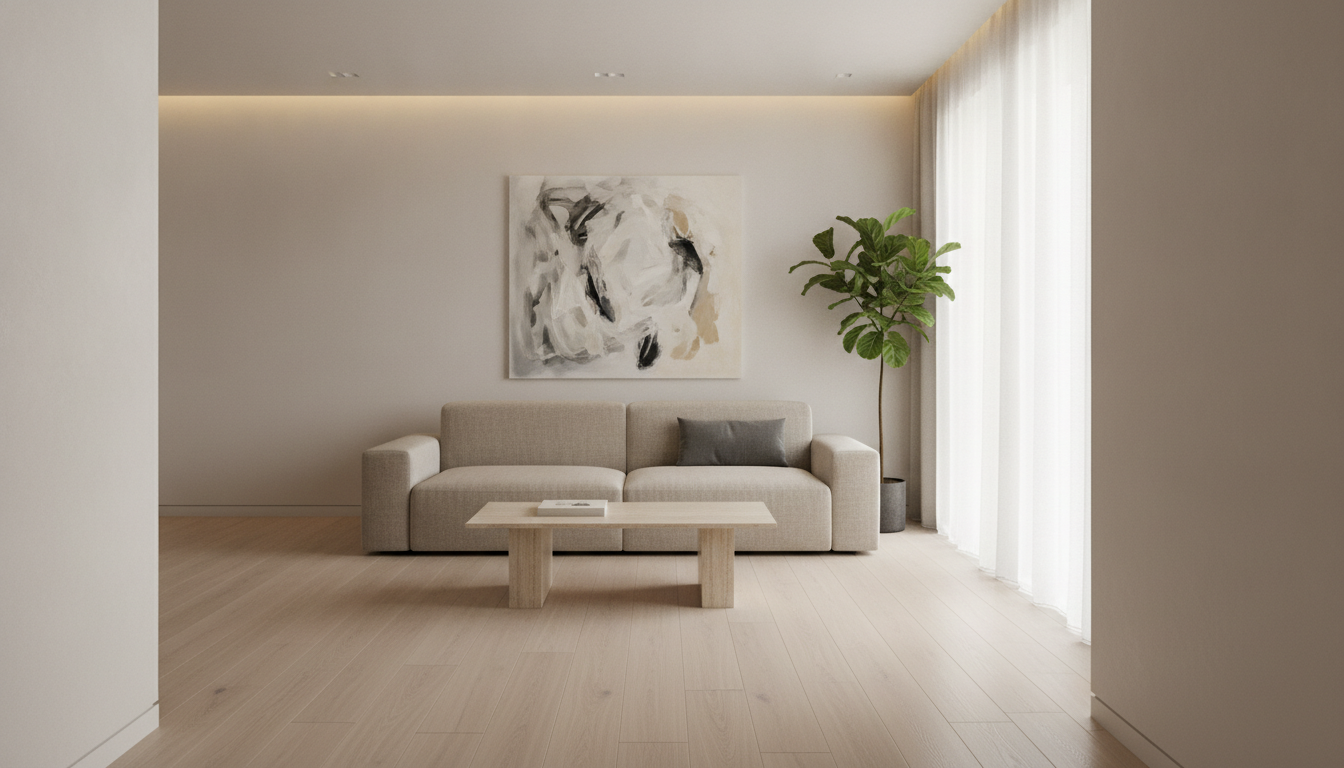
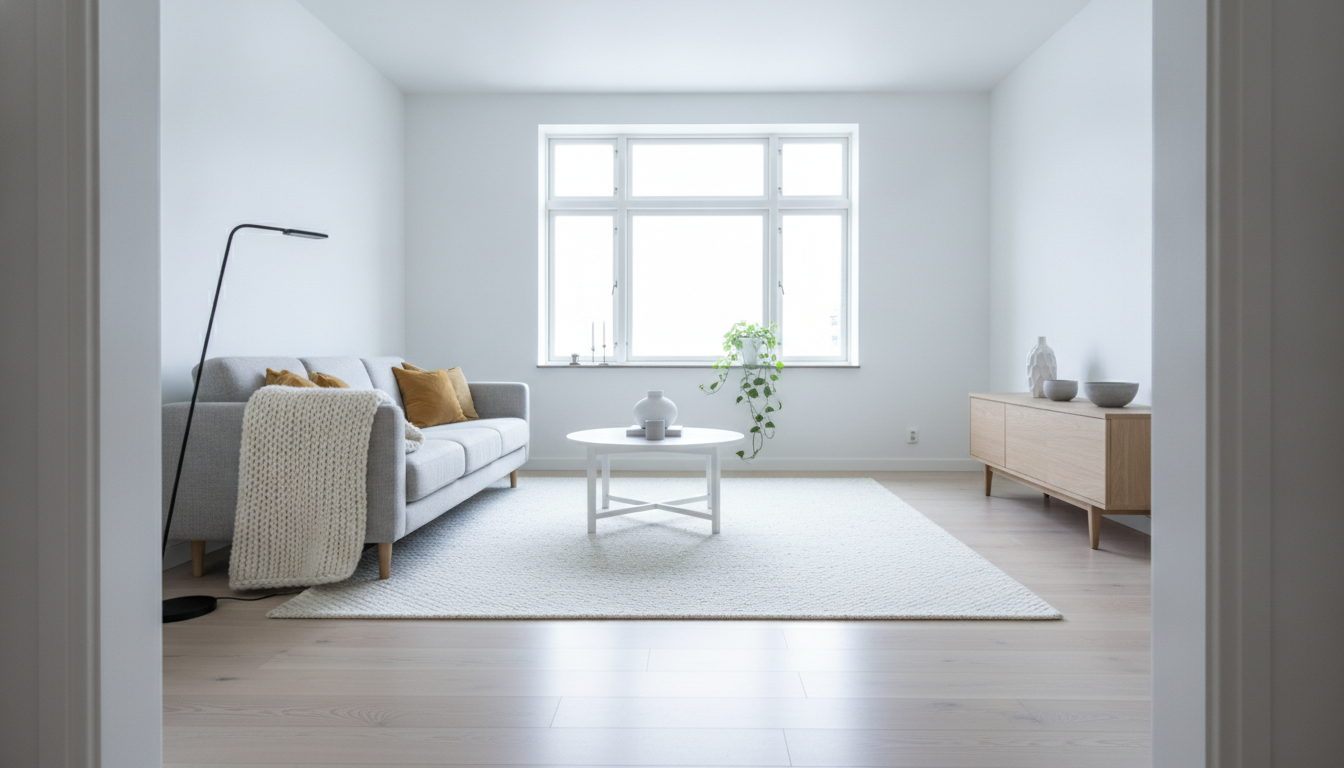
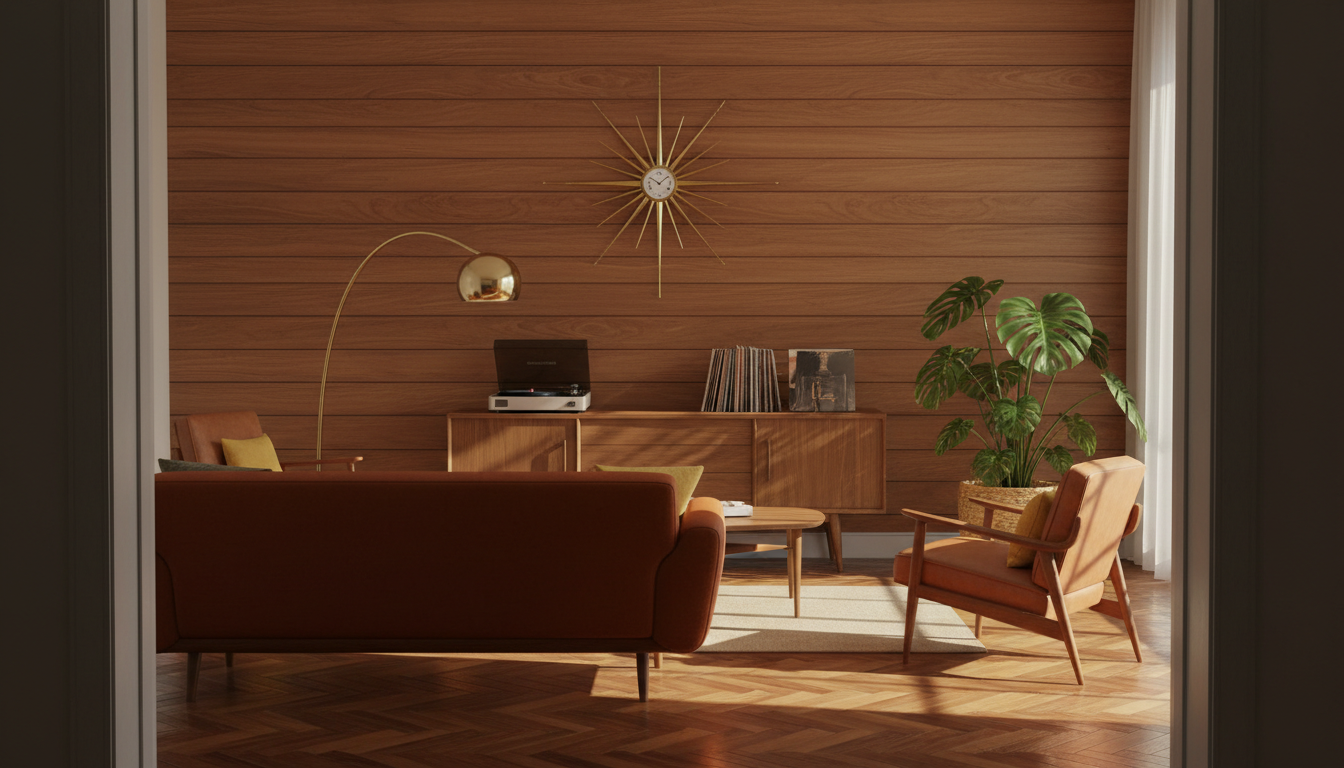
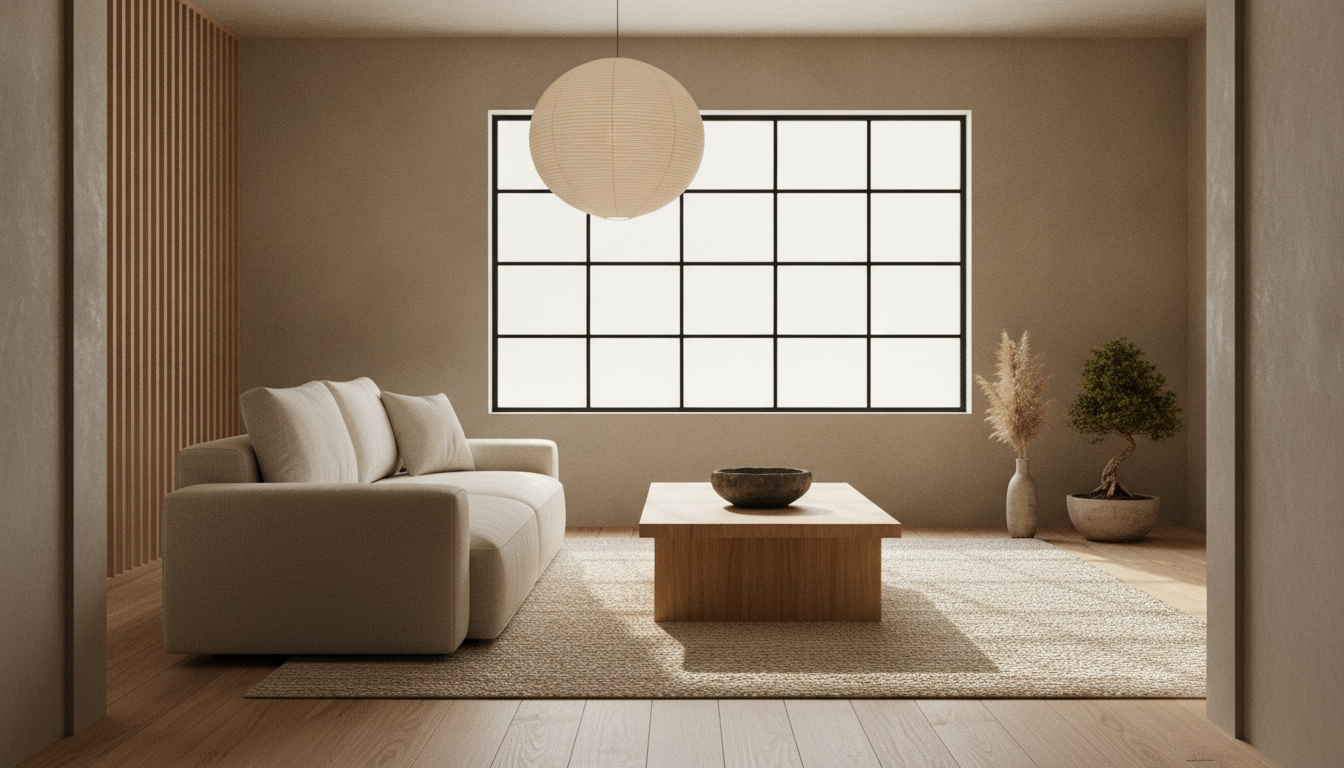
Modern minimal, Scandinavian, mid-century modern, Japandi, bohemian and industrial loft — six genuinely different rooms, not six colour filters
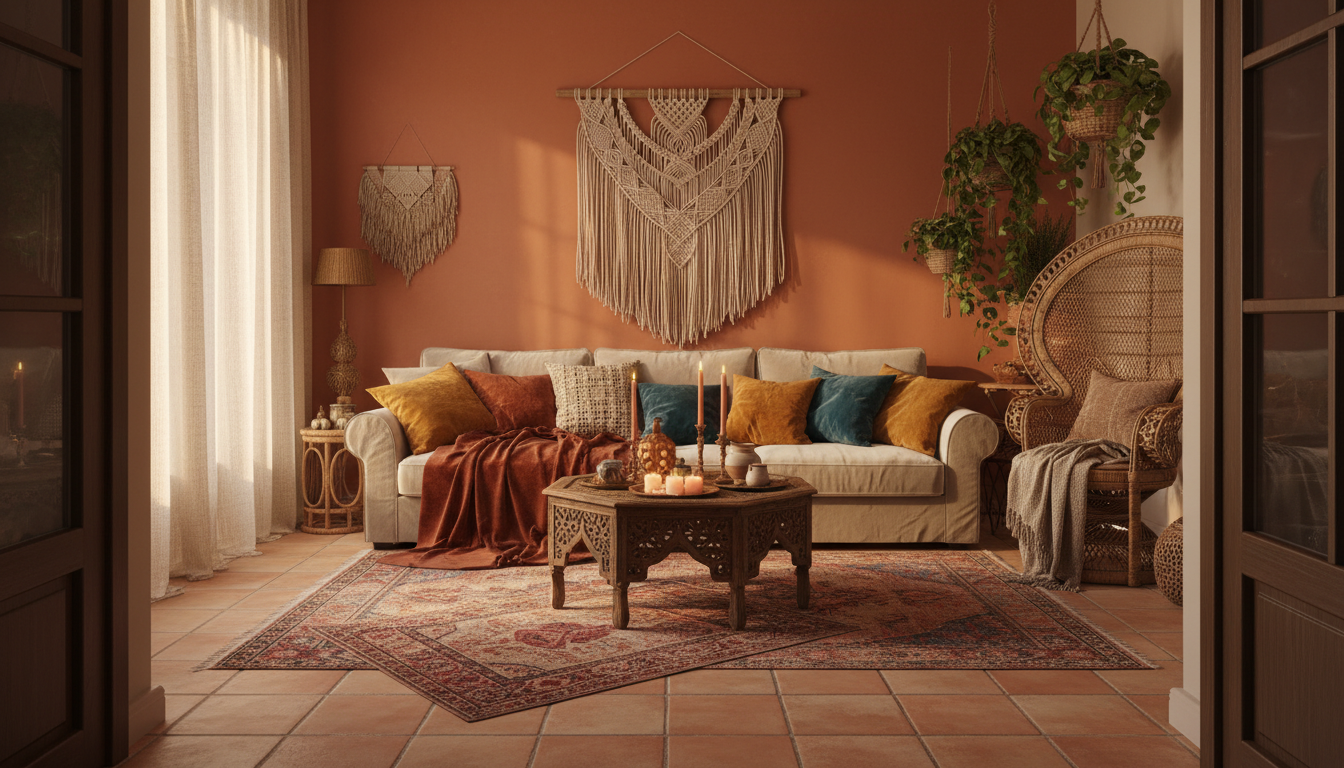
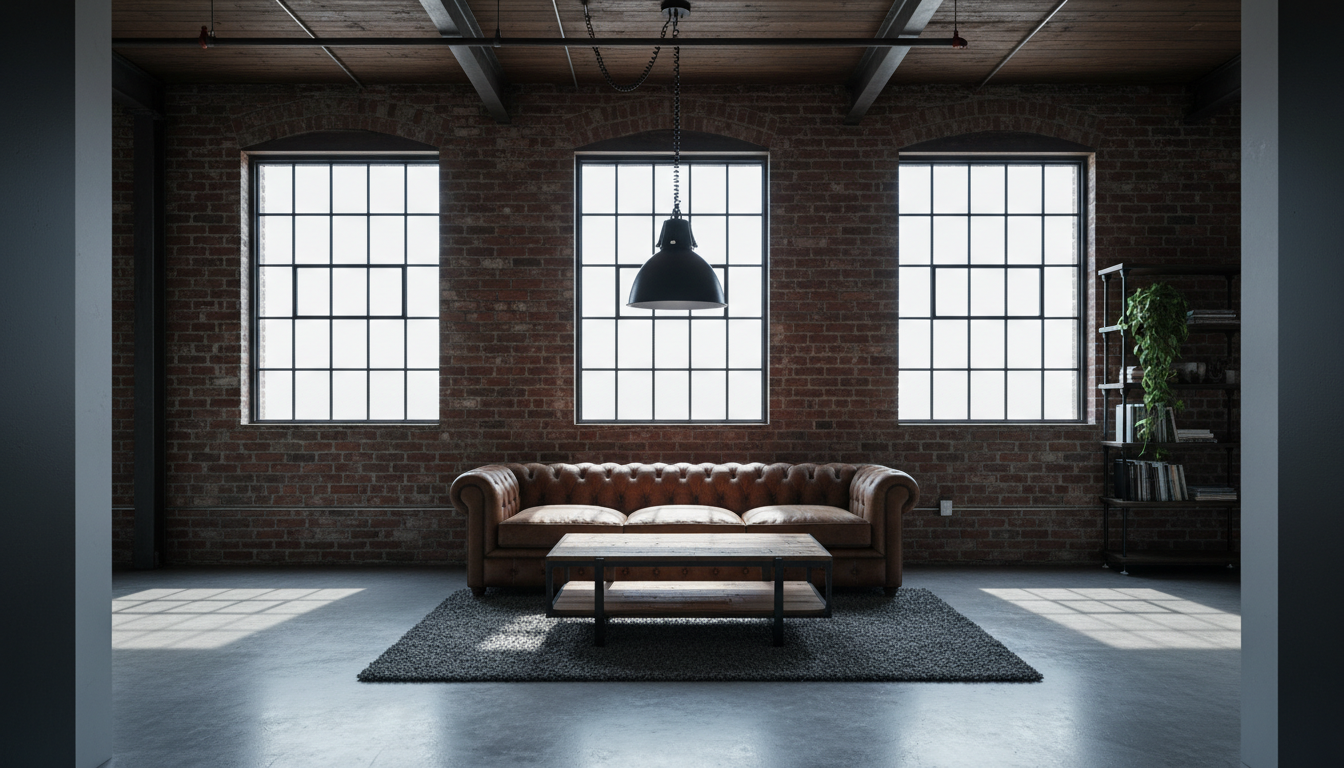
How the AI Living Room Design Generator Works
Three steps from the room you have to the room you are considering
Photograph the Room From the Doorway
Stand in the doorway, hold the phone at about chest height, keep it level, and take one landscape photo that includes the far wall, a good stretch of floor and the window. Turn every light on and open the curtains — the model can only redesign what it can see, and a dim corner comes back as a guess. Standing in the middle of the room is the most common mistake: you get two half-walls and no sense of the space. Tidy the worst of the clutter, but leave the furniture where it is.
Pick a Living Room Style
Six presets, each a full scheme rather than a colour swap. Modern Minimal is off-white plaster, pale oak and a low sand sofa with a lot of empty floor. Scandinavian is white walls, blonde ash and soft grey with a mustard accent. Mid-Century Modern is walnut panelling, parquet and burnt orange on splayed legs. Japandi is warm greige limewash, low seating and a slatted oak screen. Bohemian is terracotta, layered Persian rugs and macrame. Industrial Loft is red brick, concrete, crittall windows and cognac leather. Each preset sets the walls, flooring, furniture, lighting and palette together.
Compare, Regenerate, Then Take It to a Trade
The render comes back in about twenty seconds at up to 4K. Run the same photo through two or three styles and put the results side by side — that comparison is where the decision actually gets made, and it costs you a minute. If a render moves a window or invents a doorway, generate again; the instruction to hold the room layout is in every preset and a second pass usually lands it. Then use the image as a brief for a decorator, a joiner or a furniture shortlist, not as a construction drawing.
Why Use an AI Living Room Design Generator
Six reasons a render of your own room beats another folder of saved photos
Your Room, Not a Showroom
The reason mood boards fail is that they show someone else's room. Yours has a radiator under the window, a chimney breast in an awkward place and a ceiling lower than any of the photos you saved. Because this works image-to-image, every preset instructs the model to hold your room shape, window and door positions, ceiling height and proportions and change only the finishes and furniture. What comes back is your living room in that style, which is the only version of the question worth answering.
Six Schemes, Not Six Filters
A warm colour grade is not an interior style. Each preset changes the wall finish, the flooring, the furniture silhouettes, the lighting and the palette at once, because that is what actually separates these looks: Japandi is low seating and a slatted screen in warm greige limewash, mid-century is splayed legs and walnut panelling over parquet, industrial is brick and crittall glazing. They are different schemes with different material lists, which is why the six results look like six rooms rather than one room photographed under six lamps.
Decide Before You Spend
A sofa is a four-figure decision you live with for a decade, and paint is cheap only until you have done a room twice. Seeing burnt orange mid-century against your actual wall length, or a low Japandi sofa against your actual ceiling height, kills bad ideas early and gives you the confidence to commit to a good one. Interior designers charge for exactly this stage — visualising a scheme before it is bought — and a render you can produce in twenty seconds does not replace that work, but it makes the conversation far shorter.
A Brief Your Decorator Can Read
Describing what you want in words is where renovations go wrong. A photorealistic image of your own room showing the wall finish, the floor, the sofa shape and the lighting removes most of that ambiguity in one go. Send it to a decorator, a joiner quoting on built-in shelving, or a furniture shop when you are trying to describe the sofa you have in your head. Output is up to 4K with no watermark and cleared for commercial use, so lettings agents, stagers and small studios can put it straight into a proposal.
Landlords, Sellers and Rentals
The living room is the room that sells a property and the room a tenant pictures themselves in. Rendering an empty or dated lounge in two or three styles gives a seller a realistic view of what a light refresh would do before committing to it, and gives an agent something to talk about at a viewing. If the room is empty rather than dated, the AI virtual staging tool is the closer fit — it furnishes bare rooms rather than restyling furnished ones.
Free to Start, $9.98 to Go Further
You can render your living room free without a credit card, which is enough to see whether the style you have been saving actually suits your space. Paid plans start at $9.98 for the point where you are working properly — running all six styles on the same photo, testing a scheme across the living room, kitchen and bathroom so the house reads as one house, or producing a set of renders for a client. Against a designer's day rate, or a sofa bought on a hunch, the maths is not close.
Frequently Asked Questions
Common questions about using an AI living room design generator
See Your Living Room in a New Style
Upload one photo from the doorway, pick a style, and get a photorealistic redesign of the same room at up to 4K — modern minimal, Scandinavian, mid-century modern, Japandi, bohemian or industrial loft. Powered by Nano Banana Pro. Free to start, plans from $9.98.
Your Room in Six Styles: the AI Living Room Design Generator
Almost everyone redecorating a living room has the same folder: forty saved photos of rooms that are not theirs. The rooms are lovely and the folder is useless, because none of them has your ceiling height, your window on the wrong wall, or the chimney breast that eats the only sensible place for a sofa. The gap between inspiration and decision is exactly where redecorating stalls, and it is not a gap more inspiration can close. What closes it is seeing your own room, with its real proportions and its real awkward corner, finished in the style you have been circling for a month.
That is the job an AI living room design generator does, and it is a genuinely different task from generating a room out of nothing. Text-to-image will happily invent a beautiful lounge, but it will invent one you cannot build, in a room you do not have. Working image-to-image means the model has to keep something — the geometry, the openings, the ceiling — while changing everything else, and every preset here is written to make that boundary explicit. The result is a render you can actually reason about, because the thing being tested is the scheme, not the room.
Six presets cover the schemes people decorate around. Modern Minimal is off-white plaster, wide pale oak and a low sand sofa with a lot of deliberate empty floor. Scandinavian is white walls and blonde ash with soft grey and one mustard accent. Mid-Century Modern is walnut panelling over herringbone parquet, burnt orange on splayed legs, brass fittings and a credenza. Japandi is warm greige limewash, low seating, a jute rug and a slatted oak screen. Bohemian layers a terracotta wall with a faded Persian rug, kilim cushions, macrame and rattan. Industrial Loft is exposed brick, polished concrete, crittall-style glazing and a cognac chesterfield. Each sets the walls, floor, furniture, lighting and palette together, because that is what makes them different rooms rather than different filters.
Getting a Good Render, and What This Tool Will Not Do
A good render is mostly decided by the upload. Shoot from the doorway, hold the phone level, get the far wall and the window in one landscape frame, and turn every light on — dark corners come back as invention. Leave the furniture in place, because it gives the model the scale cues it needs. Then run the same photo through two or three styles and compare them side by side; that comparison, not any single render, is what actually settles the decision. If you want the same treatment elsewhere in the house, the AI kitchen design generator and the AI bathroom design generator are written around those rooms, the AI interior design generator gives a whole-home view, and the AI exterior design generator handles the outside.
Three limits are worth stating plainly. First, a render is an impression, not a drawing — there are no real dimensions in it, nothing is to scale, and the furniture is invented rather than pulled from any catalogue, so it cannot be measured off, ordered from or handed to a joiner as a specification. Second, the layout usually holds but occasionally drifts: a window slides along a wall, a doorway appears, a radiator vanishes. Always check the render against your original photo, and generate again if the geometry has moved. Third, if the room is empty rather than dated, this is the wrong tool — the AI virtual staging tool is built to furnish bare rooms, and note that property listings in many markets require staged images to be disclosed as virtually staged.
Within those limits the renders are yours to use. Output reaches 4K with no watermark and is cleared for commercial use, which matters for decorators building a proposal, lettings agents preparing a listing, and small studios who want to show a client three directions before the first meeting rather than after it. If you would rather generate a room from a written description than restyle a photograph, the text-to-image generator handles that. It is free to start with no credit card and plans begin at $9.98. Take one photo from the doorway and see what your living room could look like.
Try the AI living room design generator free today. Upload one photo of your living room, pick one of six styles, and download a photorealistic redesign of the same room at up to 4K. No credit card required to start. Paid plans from $9.98.