
AI Stained Glass Generator
A stained glass panel is decided long before the first score line. How many pieces, which of them are cuttable, where the lead runs, and whether the subject still reads once it has been reduced to flat shapes — get those wrong and you find out forty hours and two hundred dollars of glass later. This AI stained glass generator sits at the front of that process: upload a photo, choose a panel treatment, and see it rendered as leaded glass at up to 4K in about twenty seconds, while changing your mind still costs nothing.
Try the AI Stained Glass Generator Free
Upload the photo you want in glass and pick a treatment. Choose by how much cutting you are willing to do, not by which preview looks richest: the leaded portrait is the most beautiful and by far the most pieces, two-colour simple and the suncatcher are the ones a beginner actually finishes, and geometric prairie is the reliable answer for a door or a window that needs privacy more than a picture.
AI Stained Glass Generator
Upload a photo, choose a panel treatment, and see it rendered as leaded stained glass at up to 4K
Upload a photo with a clear subject and a simple background — strong silhouettes convert to glass far better than busy scenes
What the AI Stained Glass Generator Produces
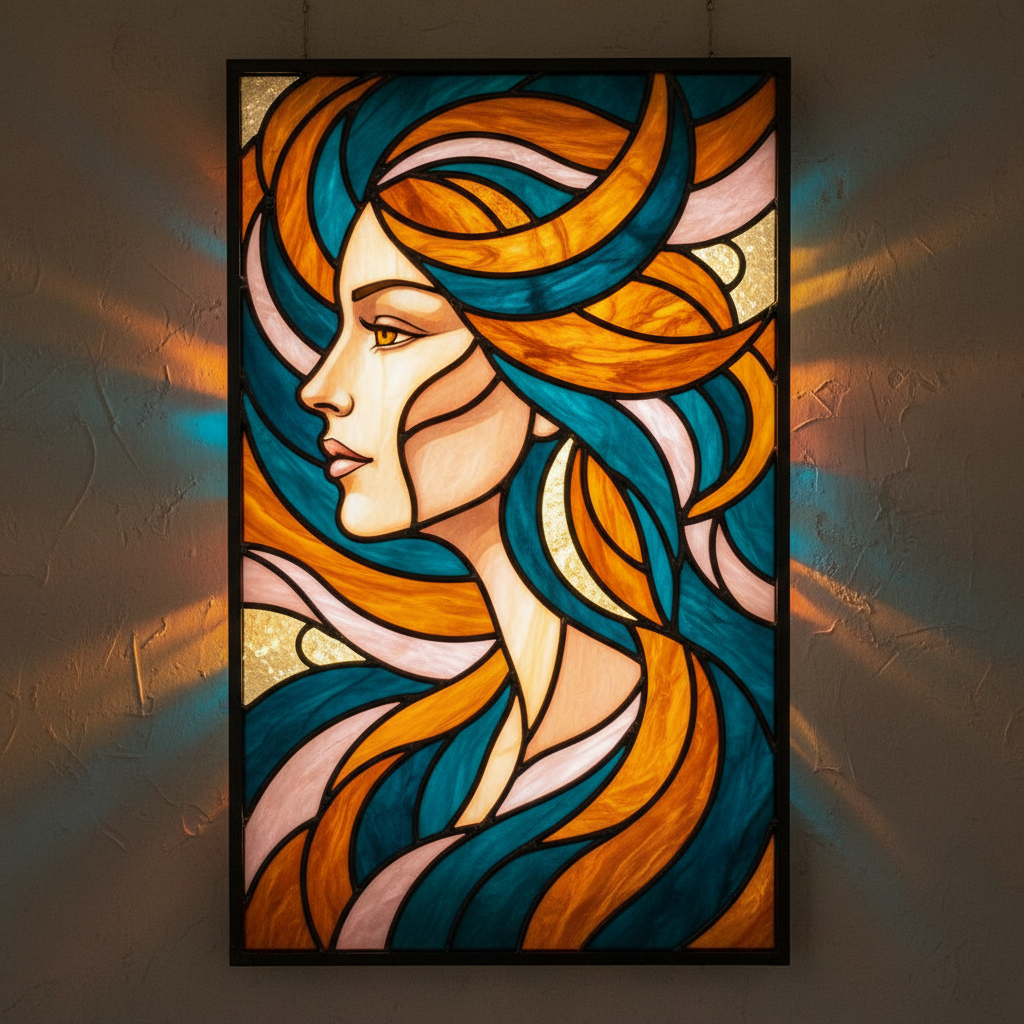
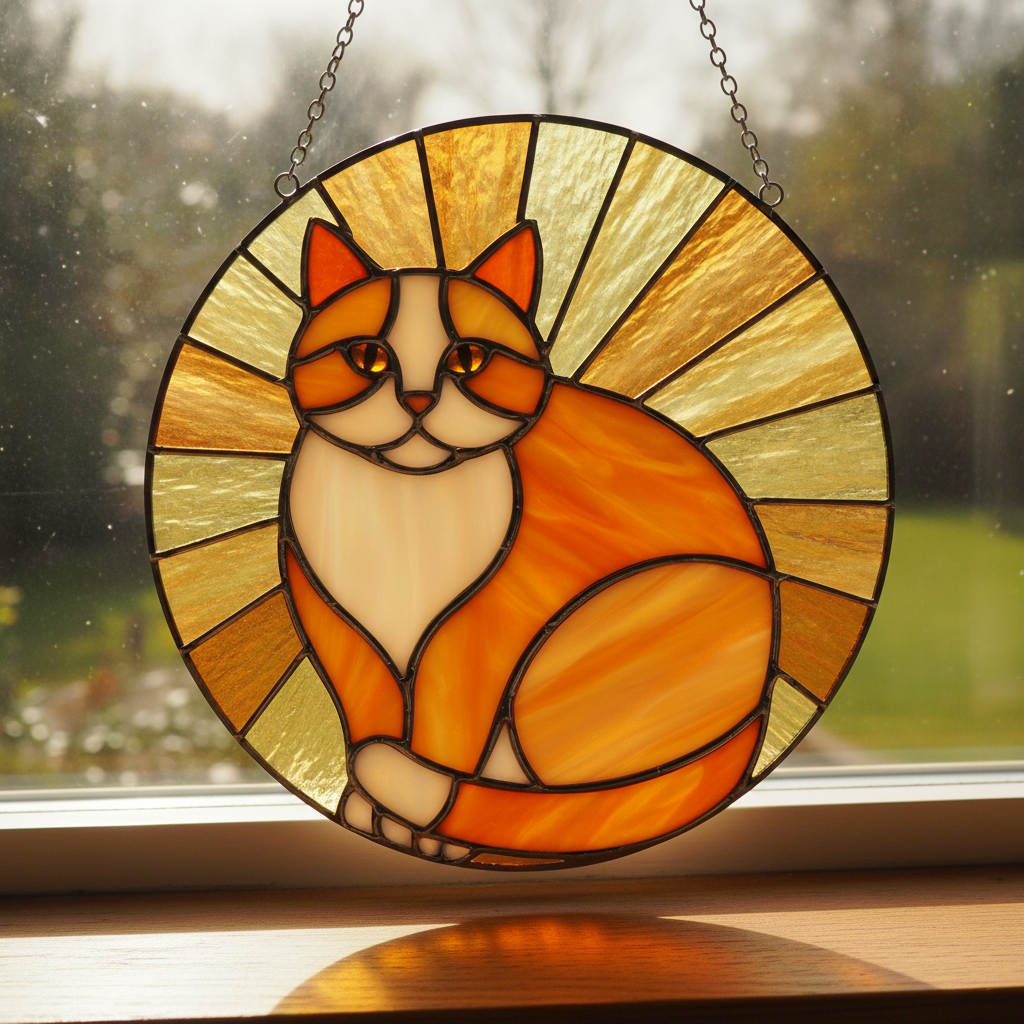
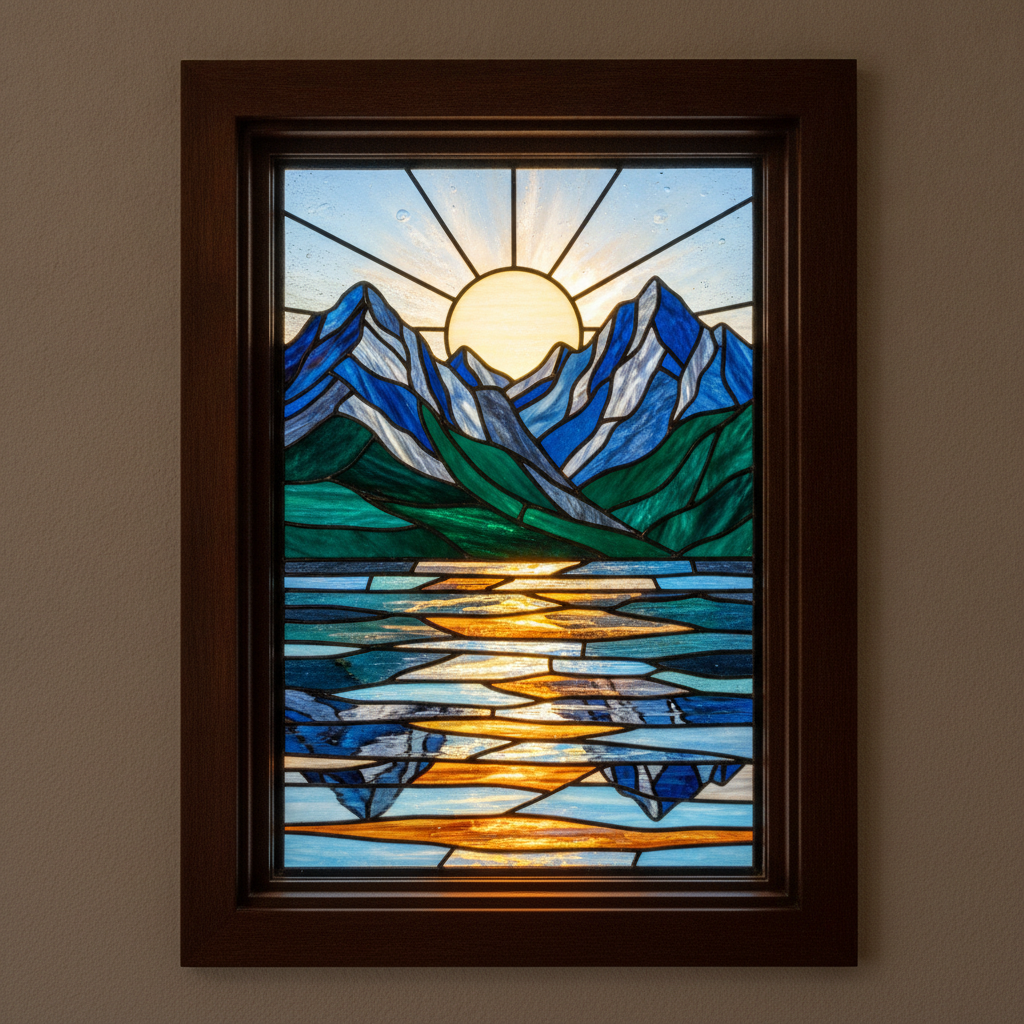
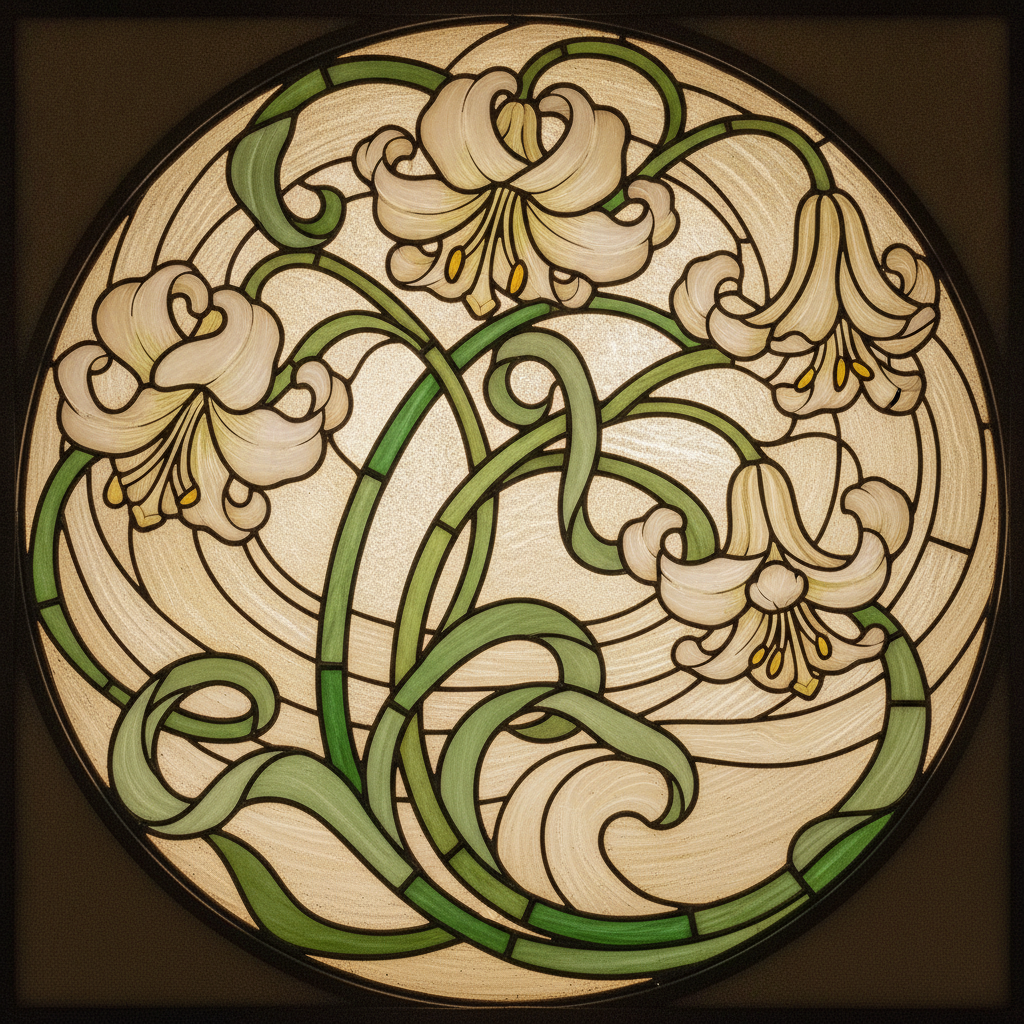
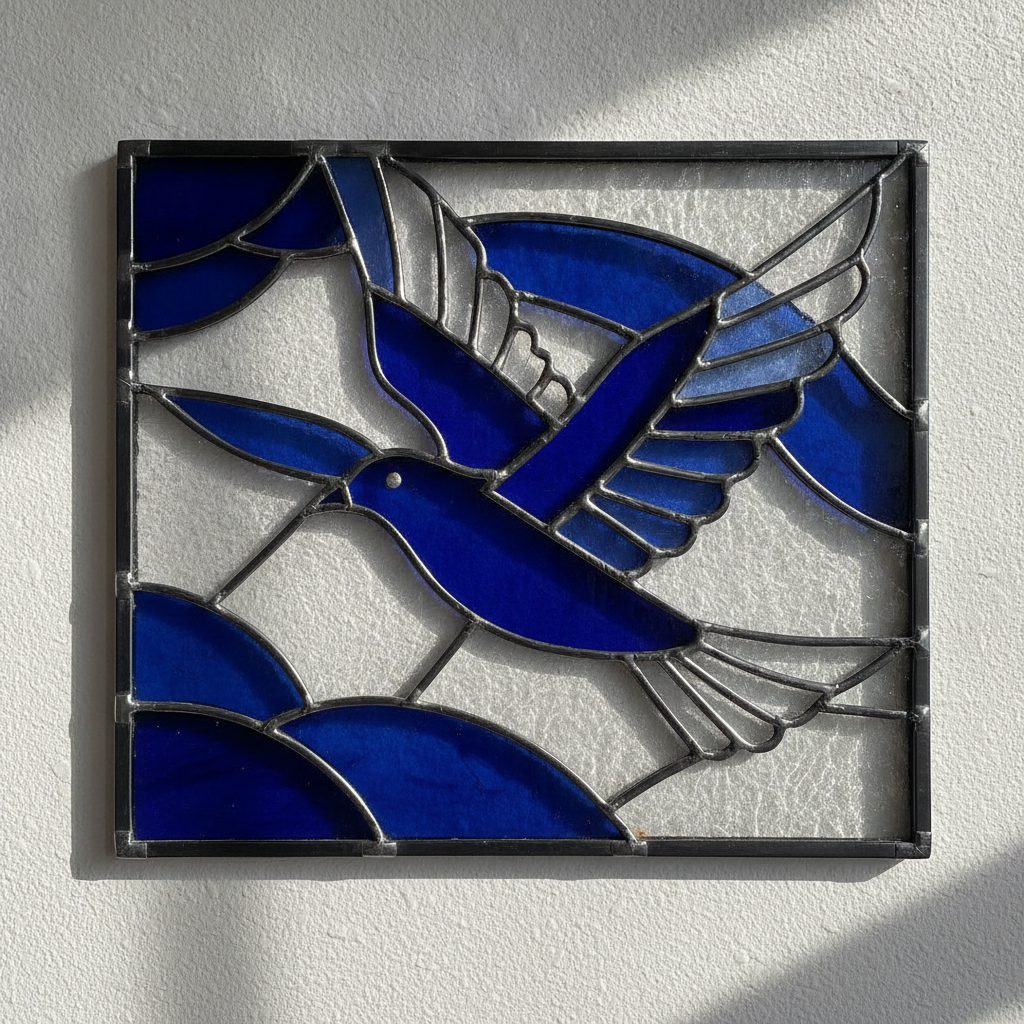
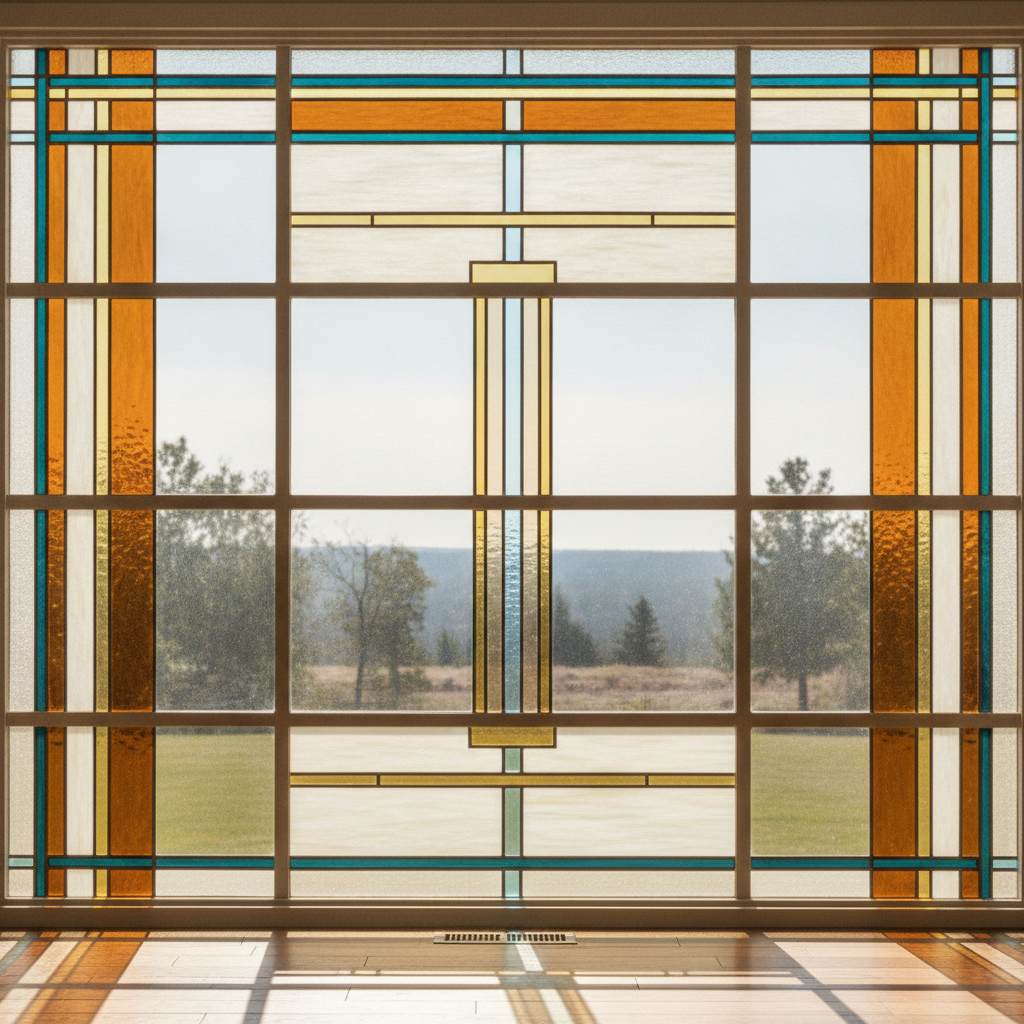
Six panels made with the six treatments. Look past the subjects and count the pieces — that number is your weekend, or your season.
How the AI Stained Glass Generator Works
Upload Your Photo
A pet, a portrait, a flower, a view from a window. Clear subject, simple background, good light. If the background is busy, strip it out first — glass has no way to render clutter except as more pieces.
Choose a Panel Treatment
Six treatments that differ by how far they reduce the image and how the lead runs, from a forty-piece leaded portrait down to a two-colour silhouette a beginner can cut in an evening.
Download and Cartoon It
You get a 4K picture of the finished panel. Trace the lead lines at full size by hand or in pattern software to turn it into a numbered cutting cartoon, then start scoring glass.
Why Use This AI Stained Glass Generator
Most image tools can put black outlines on a picture. Almost none of them account for the fact that every one of those shapes has to be cut out of a brittle sheet and held up by metal.
Six Panel Treatments, Not Six Filters
Each preset is a different kind of panel with its own piece count and lead logic — a commissioned portrait, a hanging suncatcher, a landscape window, an Art Nouveau decorative panel, a beginner silhouette, a prairie style geometric. They are choices about scope, not about taste.
Shapes That Can Actually Be Cut
Glass is scored and snapped, so a cut wants to run outward. Deep inside curves, long slivers and needle points fight you at the grinder or break outright. Every preset pushes the image toward rounded, convex, snappable pieces instead of photographic detail.
Lead Lines Read as Structure
The came is what holds the panel up, so the designs run lines edge to edge rather than floating isolated shapes in one big field of glass. That is the difference between a panel that survives a decade in a window and one that slowly sags.
Real Glass Character, Not Flat Colour
Every piece is rendered with the streaky, wispy or opalescent variation that real sheet glass has, and lit from behind. That is how you judge a palette — a colour that looks rich on a screen can go muddy the moment light passes through it rather than bouncing off.
It Produces a Design, Not a Cutting Cartoon
Said plainly because it matters: there is no numbered pattern and no allowance drawn for the heart of the came. This tool settles the design question, then hands you off to pattern software or a full-size hand tracing for the cutting drawing.
4K Output for Full-Size Work
Panels are made at physical size, so resolution is not decoration here. A 4K render can be printed large enough to trace lead lines against, or scaled up further with the image upscaler before you tile and tape it into a cartoon.
What Glass Can Do, and What It Cannot
Four constraints that decide whether a design becomes a panel or an expensive pile of offcuts.
You cannot blend two colours inside one piece
There is no gradient within a single piece of glass. Shading exists in exactly three ways: pick a streaky or wispy sheet and cut your piece from the part of it that has the tone you want, cut more pieces so the change happens across a lead line, or paint the glass with vitreous paint and fire it in a kiln, which is a separate craft with its own learning curve. A render that shows a smooth face is showing you the streaky-sheet answer.
The colour you get is the glass plus the light behind it
Glass is a filter, not a pigment. The same amber sheet is honey in a south-facing window and dull brown in a hallway. Before you buy, decide where the panel will hang — a north wall or an interior door means leaning on lighter, more transparent cathedral glass, while a bright window can carry deep blues and reds that would go black anywhere else.
Piece count is your budget, in hours and in dollars
Every piece is traced, scored, snapped, ground to the line, foiled or leaded, then soldered on both faces. Sixty pieces is a comfortable weekend project. Four hundred is a season. Glass itself runs roughly fifteen to forty dollars a square foot for decent art glass, and the offcuts you cannot use are part of that number.
Copper foil and lead came suit different designs
Copper foil takes tight curves and small pieces, which is why suncatchers and portraits use it. Lead came is stronger and faster over large panels but wants longer, straighter, simpler lines. Look at your render and you can usually tell which one it is asking for — the portrait and Art Nouveau treatments are foil work, the geometric prairie panel is came.
Tools That Pair With This One
Background Remover
Strip a busy background before you upload, so the panel spends its pieces on the subject.
Image Upscaler
Push a design past 4K when you need to print it at full panel size to trace against.
Cross Stitch Designs
The same photo-to-craft question for thread and aida, where the grid rather than the lead line does the reducing.
AI Stained Glass Generator FAQ
Design the Panel Before You Cut the Glass
Twenty seconds and no sign-up to find out whether your photograph wants to be a forty-piece portrait or a twelve-piece silhouette. That is a cheaper way to learn it than at the grinder.
Start Designing FreeAbout the AI Stained Glass Generator
This AI stained glass generator turns a photograph into a leaded stained glass panel design using Nano Banana Pro. Upload an image, choose one of six treatments — leaded portrait, pet suncatcher, landscape window, Art Nouveau floral, two-colour simple or geometric prairie — and the model rebuilds the picture as separate pieces of streaky and opalescent glass held apart by dark lead came, lit from behind so you can judge the palette the way it will actually be seen. Output runs up to 4K and takes about twenty seconds, free to start with no account required.
What makes a stained glass generator useful is not the outline effect, which any filter can approximate, but respect for how glass behaves. Sheet glass is scored and snapped, so pieces have to be shapes that a break will follow: deep concave curves, long slivers and sharp points either refuse to snap or fracture on the grinder. Colour cannot be blended inside a piece, so tonal change happens by choosing where on a streaky sheet to cut, by adding another lead line, or by kiln-fired glass paint. Each of the six treatments in this AI stained glass generator pushes an uploaded photograph toward that reality by a different amount, which is why they produce genuinely different piece counts rather than six versions of the same look.
The tool is built for the decision stage rather than the workshop stage. Hobbyists use it to see whether a pet photograph will still read as that pet once it is twenty pieces of glass. Makers selling commissioned suncatchers and memorial panels use it to show a client a direction before quoting, since a render costs seconds where a sample panel costs a weekend. Designers working on a door, a transom or a privacy window use the geometric treatment to test proportion and colour banding against a room. In every one of those cases the value is in learning something before the glass is bought, not in replacing the craft that follows.
One limit is worth repeating plainly, because it is the difference between a useful tool and a disappointing one: what you download is a picture of a finished panel, not a cutting cartoon. A cartoon is a full-size numbered line drawing whose lines are drawn to allow for the heart of the lead or the width of the foil seam, and producing it is a separate step — trace the lead lines by hand at physical size, or run the design through pattern software such as Glass Eye 2000. The same division applies to other craft tools on this site: the embroidery generator produces artwork rather than a digitised stitch file, and the cross stitch generator produces a design rather than a counted chart. This AI stained glass generator settles what the panel should be, and hands the making back to you.