AI Flag Design Generator
A flag is the only design you make flat, that is almost never seen flat, and that half its audience sees backwards. It is read from fifty metres, it spends most of its life limp or wrapped round its own pole, and single-ply fabric shows your artwork mirrored from the other side. This AI flag design generator is organised around those three facts — six flag types built for distance, wind and the reverse rather than for a thumbnail. Up to 4K, about twenty seconds each.
Try the AI Flag Design Generator Free
Pick by what the flag has to do, not by which thumbnail looks best. Club and team is the bold, long-distance one. Family crest is symmetrical, which is what makes its reverse work. Event flags are designed to be seen as a row of twenty. The burgee is the most ruthlessly simple of the lot. Five presets give you the flat artwork a flag maker wants; the sixth flies it on a pole so you can see what survives the wind. Describe your colours and symbol in the box to steer any of them.
AI Flag Design Generator
Choose a flag type, describe your colours and symbol, and get flag artwork at up to 4K
What the AI Flag Design Generator Produces
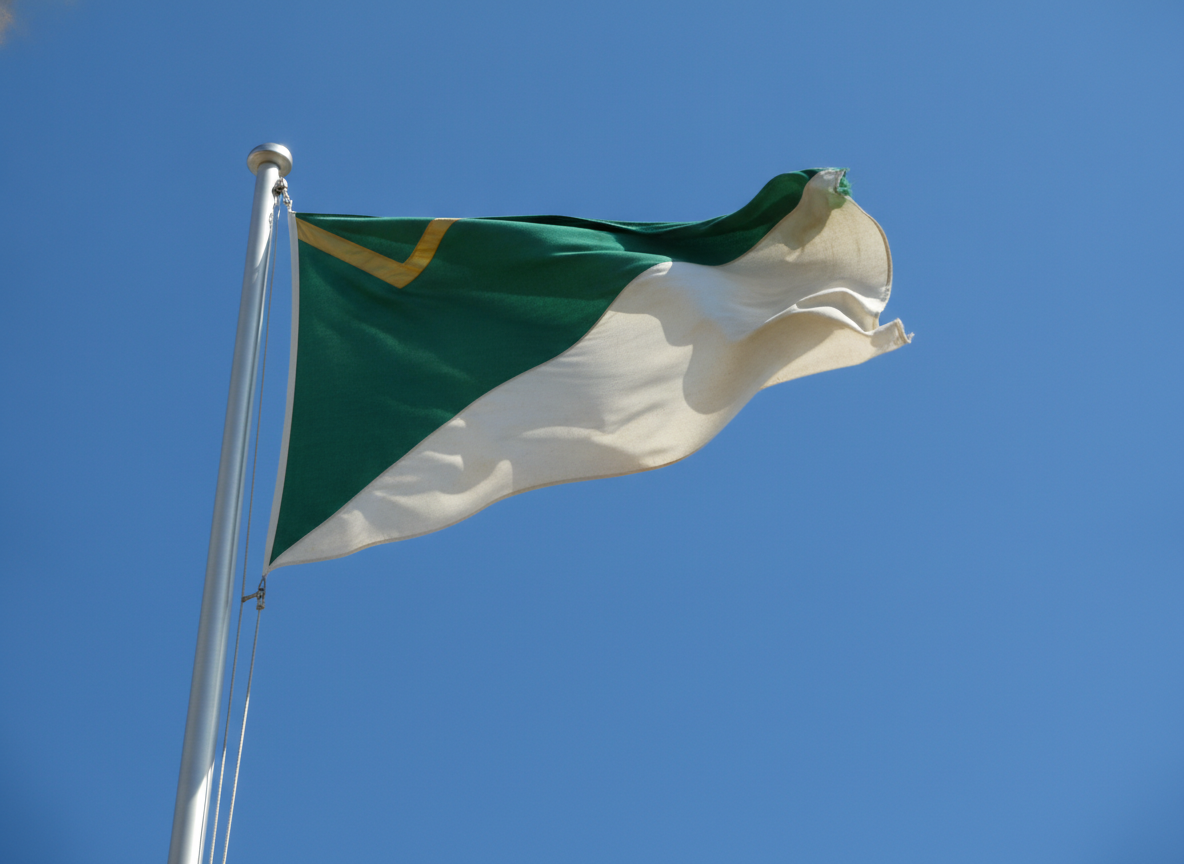
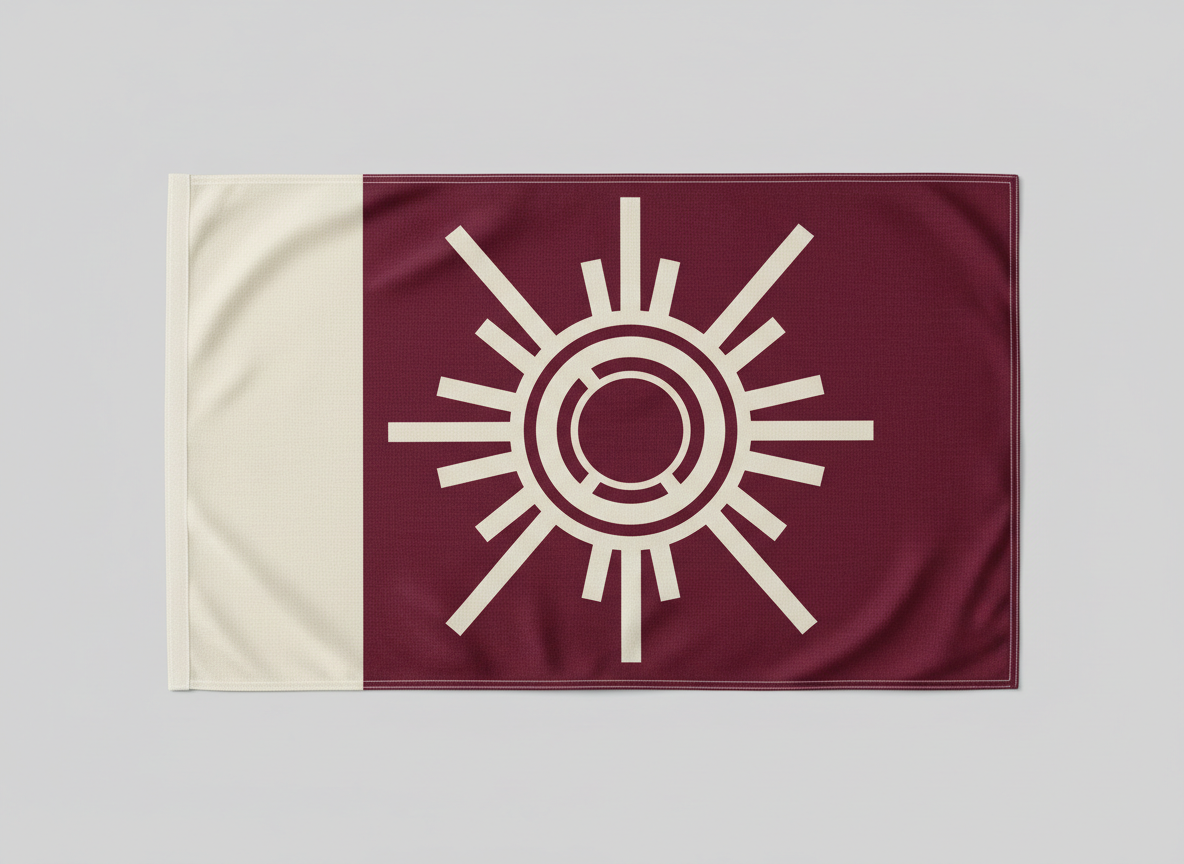
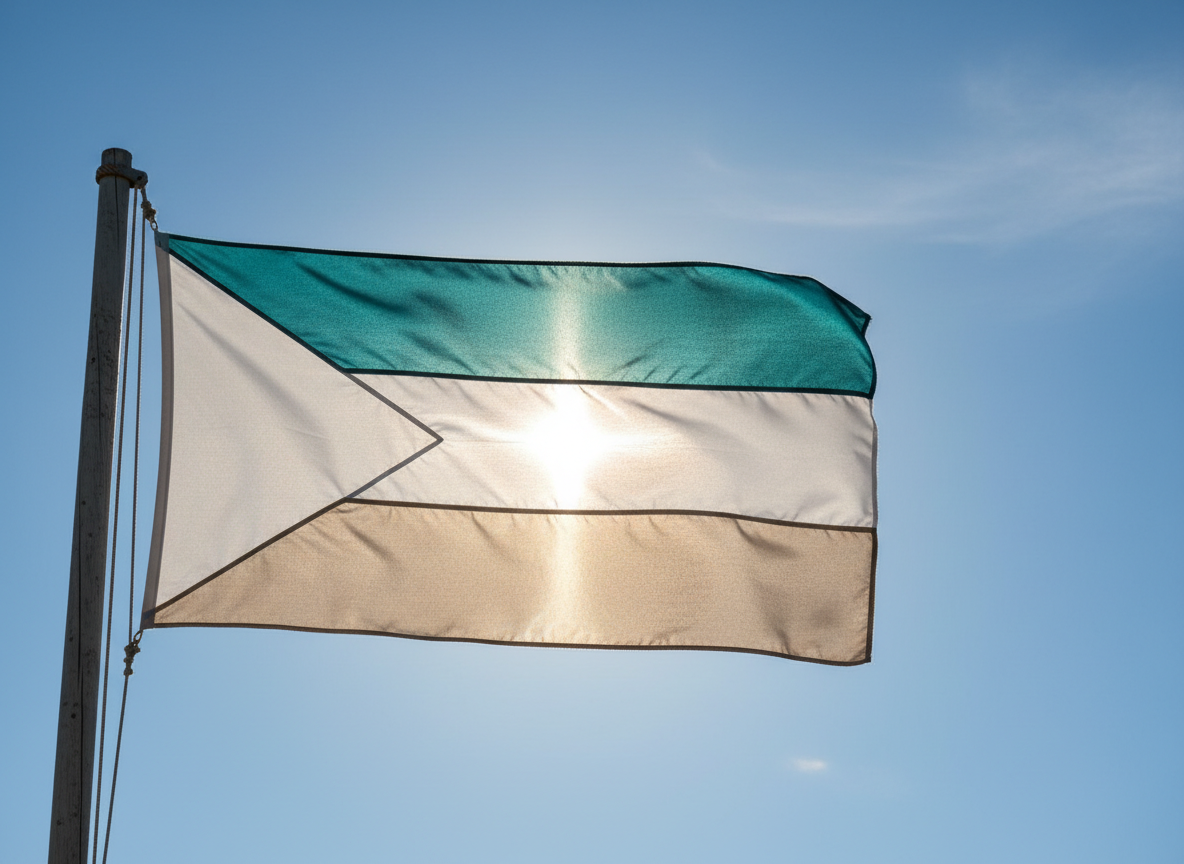
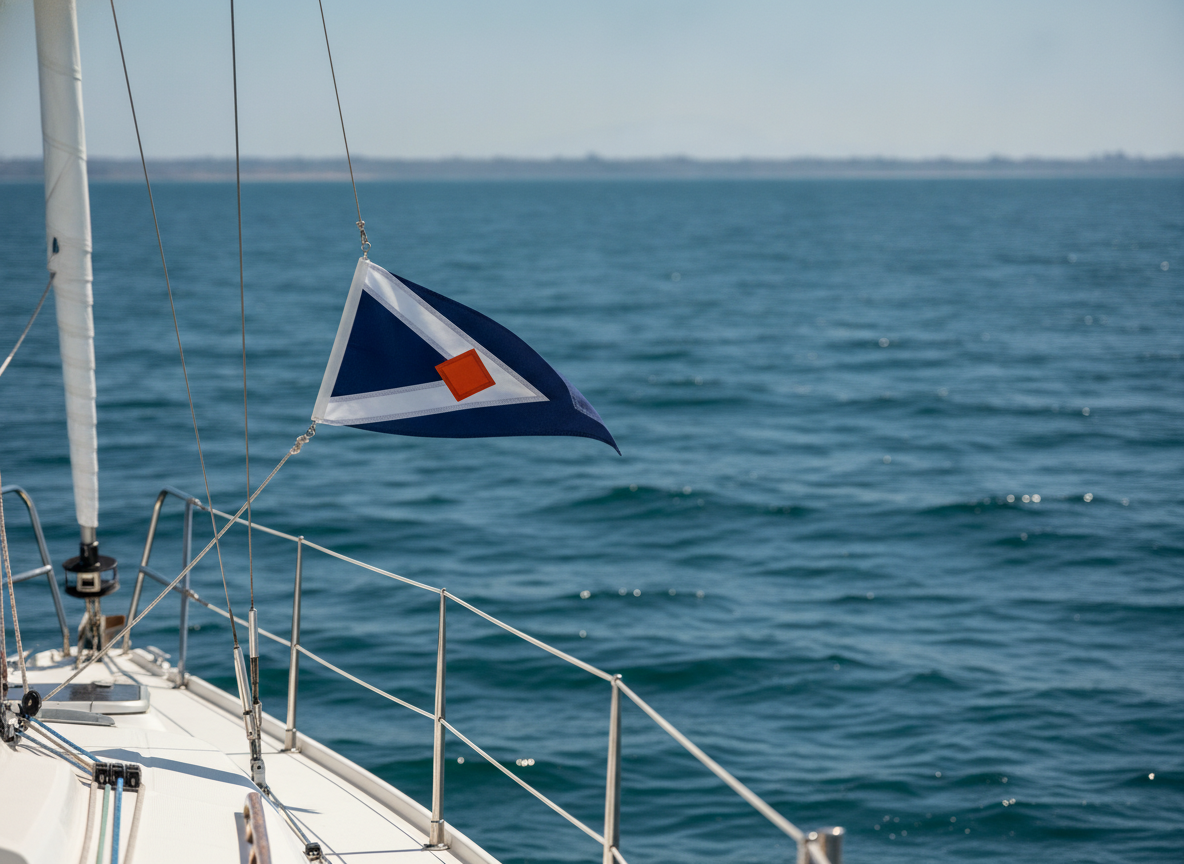
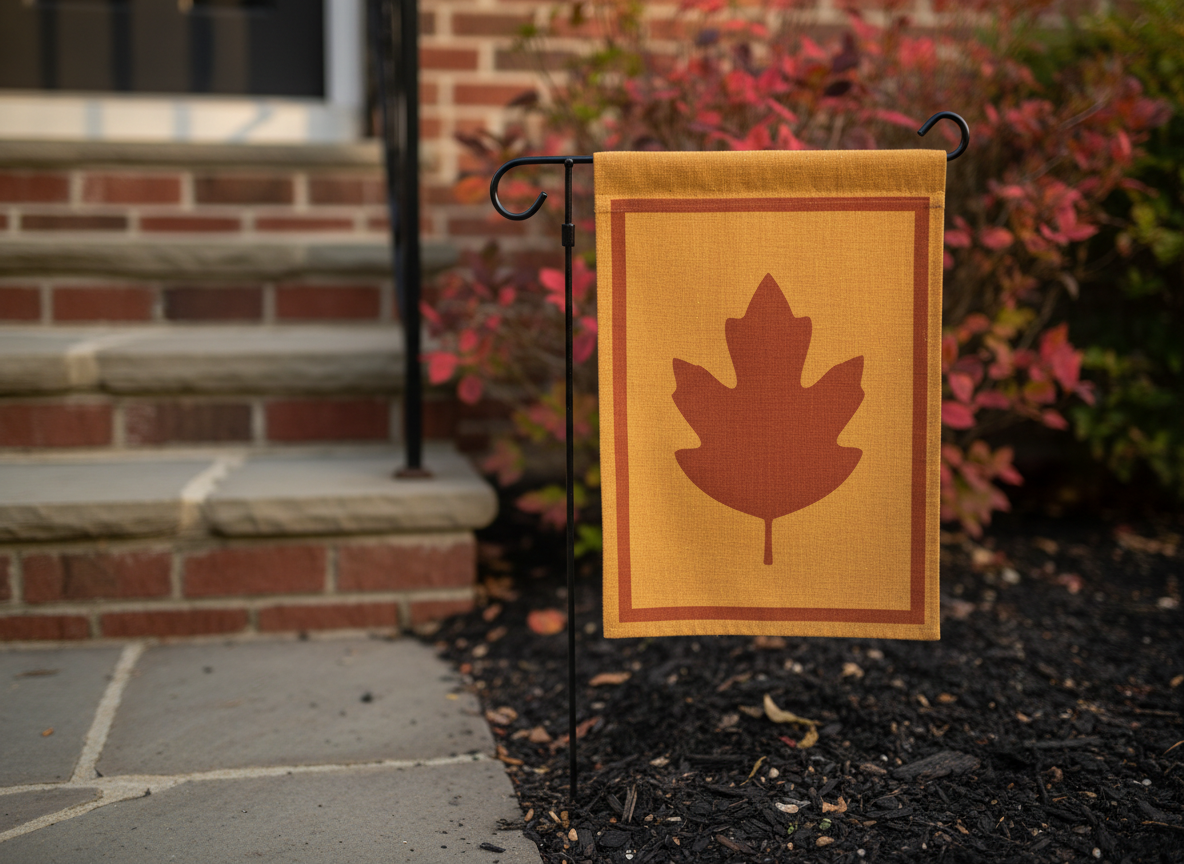
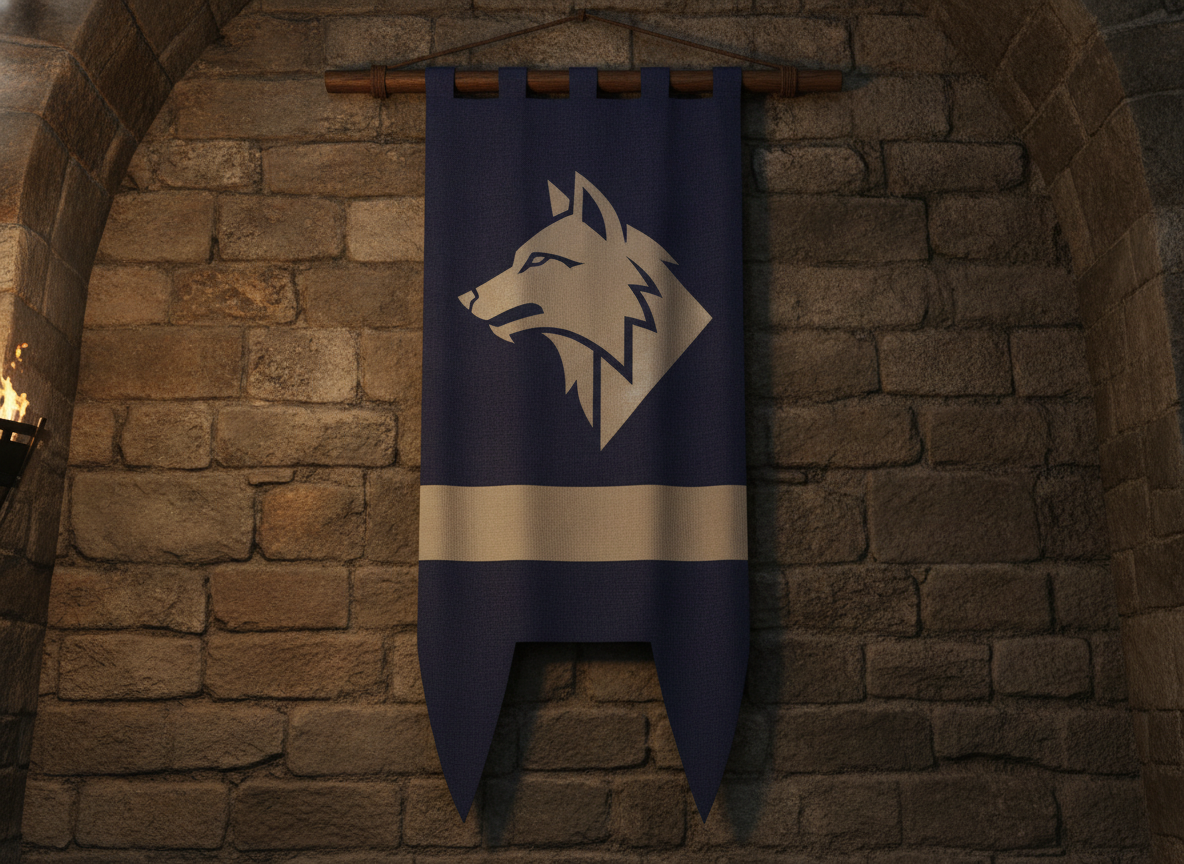
Six flag types, deliberately shown mostly in place rather than as flat artwork — because flat is the one view that flatters every flag equally and tells you nothing. Read them against each other. The first is caught mid-gust with its whole cream half swallowed into folds while the gold chevron by the pole stays perfectly readable. The third is backlit, the sun coming straight through single-ply cloth, which is exactly the bleed-through that gives you a reverse side at all. The burgundy sunburst is symmetrical, so its back looks identical; the wolf on the guild banner faces left, so on the reverse it faces right. That contrast is the entire case for keeping a flag simple.
How the AI Flag Design Generator Works
Fix the Ratio and the Distance
Decide the finished size and how far away it will be read from, because those two numbers decide everything else. A pole flag read at fifty metres gets two colours and one shape. A garden flag read at two metres can carry an illustration.
Pick a Flag Type and Colours
Choose one of six types, then describe your palette and the symbol you have in mind. Leave the box blank and the preset invents its own. Each design takes about twenty seconds, so run the same idea through two or three types.
Fly It, Then Send It
Run your favourite through the flying preset to see what survives a fold, then download at up to 4K and send it to a flag maker as an approved design with your finished size and colours. Ask for a proof before the run.
Why Use This AI Flag Design Generator
Any image generator will make you a handsome rectangle. Very few of them are set up for a piece of cloth that has to work at fifty metres, in a fold, and backwards.
Six Flag Types, Not Six Art Styles
Each preset is a different job: a club flag read across a pitch, a symmetrical family crest, a festival flag designed to be seen twenty in a row, a burgee read against moving water, a portrait garden flag seen from the path, and a flying test. The palette and symbol are yours; the type is the decision that shapes everything.
Built for the Distance Test
The oldest rule in flag design is that a child should be able to draw it from memory. Every preset enforces it in the prompt — two or three flat colours, hard edges, one simple shape, nothing fine enough to vanish at range — which is why these come back looking like flags rather than like posters printed on fabric.
Symmetry Where the Reverse Matters
A single-ply flag shows a mirrored design on the back, and roughly half your audience only ever sees that side. The family crest preset is written to be symmetrical for exactly that reason, and the gallery includes a backlit shot from behind so you can see what bleed-through actually looks like before you order.
Flat Artwork, Plus a Wind Test
Five presets give you the flag square-on and filling the frame, which is what a flag maker asks for. The sixth flies it on a pole in a gust, half-furled, because that is the honest view — it shows you at once whether your design still reads when the fly end folds over the interesting part.
Garden Flags and Burgees Included
Both break the usual rules and both get their own preset. A garden flag is portrait, nearly still and read from two metres, so it can carry detail. A burgee is triangular, moving and read against glare, so it gets less detail than anything else here. Neither works if you just crop a rectangular flag design.
It Makes a Design, Not a Sewn Flag
Worth saying plainly because it saves a wasted upload: no vector paths, no Pantone references, no pole sleeve, no grommet band and no hem allowance are in the file. This tool settles what the flag should look like. Your flag maker handles the sewing, the sizing and the hardware.
What Makes a Good Flag Design
Five things that decide whether your flag looks like a flag or looks like a poster that got sewn to a rope.
Half your audience sees it backwards
Almost every flag under a certain price is single-ply: one layer of fabric, printed on one face, with the ink bleeding through to the other. The reverse is therefore your design flipped left to right. A stag facing the pole now faces away from it; a name reads as nonsense. This is not a defect, it is what a flag is, and it is the single biggest difference between designing a flag and designing anything else flat. Two answers exist. Make the design symmetrical, which is why so much traditional flag design is, or pay for a double-sided flag — two printed layers stitched around an opaque blockout liner, roughly twice the cost, noticeably heavier, and needing more wind before it flies properly.
It is hardly ever open, flat, or still
The image in your head is a flag stretched taut and square-on. In life it is limp against the pole on still days, wrapped completely around it on gusty ones, and in between it is a moving surface where the fly end curls back over itself and hides a third of the design. The band nearest the pole — the hoist — is the part that stays visible and readable the longest, so that is where the recognisable element belongs. The fly end is the opposite: it takes the whipping, it frays first, and it spends its life folding over whatever you put there. Judge every design half-covered, not stretched flat.
The distance rule, and why it is also the AI rule
Flag designers have a short, blunt list: keep it simple enough that a child can draw it from memory, use symbolism that means something, stick to two or three basic colours, use no lettering or seals of any kind, and be distinctive without being unrelated to your neighbours. It exists because a flag is a long-range identifier — at fifty metres you are working with about as much visual information as an icon on a phone screen. It is worth knowing that this list also happens to describe what an image model renders reliably: flat colour fields and one bold shape come back clean, while small type and dense seals are exactly where generation falls apart. The good design advice and the good prompt advice are the same advice.
Ratio and the edges you do not actually own
Flags are sold in a handful of fixed proportions because poles, halyards and finished sizes are standardised around them — two by three is the common general-purpose ratio, three by five is the usual off-the-shelf domestic size, one by two is standard in Britain and for tall banner flags, and garden flags are portrait at around twelve by eighteen inches. Ratio is not a crop: a design composed for two by three looks stretched and hollow at one by two. Then subtract the edges. The hoist is taken up by a sewn pole sleeve or a reinforced grommet band, and every other edge loses a hem, so a few centimetres all round belong to construction rather than to you. Keep anything that must be seen whole well inside those margins.
A flag is a consumable, and the fabric decides the colours
Flown outdoors around the clock, a flag has a working life measured in months, not years — sun flattens the colour and the fly end frays until it has to be trimmed and re-hemmed. That reality should push you toward strong colours and simple shapes that still read after fading. The fabric decides the rest: knitted polyester is light, flies in a breeze and lets colour bleed through for a usable reverse, while nylon is brighter and tougher but wants more wind. There is no white ink anywhere in flag printing — white is simply undyed fabric — and sewn appliqué, where each colour is a separate stitched panel, gives the longest life and the best look but only tolerates bold geometry and costs several times more than print.
Tools That Pair With This One
Logo Generator
For the emblem on its own, when the mark has to work on a shirt and a letterhead as well as on cloth.
Banner Generator
For a hung vinyl or event banner instead — the one that is supposed to carry wording, which a flag never should.
Signage Generator
When the words are the point. Signs are read standing still at close range, which is exactly where lettering belongs.
AI Flag Design Generator FAQ
Settle the Design Before You Order the Cloth
Twenty seconds and no sign-up to find out whether your idea still reads once it is fifty metres away and folded in half. Considerably cheaper than finding out from a delivered order of fifty.
Start Designing FreeAbout the AI Flag Design Generator
This AI flag design generator creates the artwork a custom flag is printed or sewn from, using Nano Banana Pro. Choose one of six flag types — club and team, family or house crest, event and festival, nautical burgee, garden flag, or a flying test on a pole — describe your colours and the symbol you want, and the model returns a design at up to 4K in about twenty seconds. It is free to start with no account required, and what comes back is the design itself: a flag maker handles the sewing, the pole sleeve, the hems and the finished size.
What separates a flag design generator from a general graphic tool is that a flag is a long-range identifier printed on something that moves. It is read at fifty metres, where you have about as much usable detail as an icon on a phone screen. It spends most of its life limp, wrapped round its pole or half-furled, so any design that depends on being seen whole is a design that mostly is not seen at all. And because nearly every affordable flag is a single layer of fabric printed on one face, the reverse is your design mirrored — which quietly rules out lettering and rewards symmetry. The presets here are organised by flag type rather than by art style because each type answers those constraints differently: a burgee gets less detail than anything else, a garden flag gets more than a pole flag ever could.
People come to an AI flag design generator for a few recurring jobs. Sports clubs, scout groups, schools and community associations need something distinctive that works on a pitch-side pole and on a car sticker afterwards. Families and house-building or fantasy-gaming groups want a heraldic crest with the symbolism they choose rather than whatever a surname database returns. Event organisers, festivals and venues need a run of bright flags that read as a set from a distance. Boat owners and yacht clubs need a burgee. And garden flag sellers work seasonally, which is the one case on this page where detail and illustration are actively the right answer.
Two limits are worth stating plainly. First, the file is a design, not a production file: it is a flattened image with no vector paths, no named Pantone or thread colours, no bleed and no allowance for the pole sleeve, grommet band or hems, so treat it as an approved design and a fabrication brief and ask your maker for a proof. Second, do your due diligence on the symbol before you commit to a run. Reproducing or altering a national flag runs into flag protocol and, in several countries, specific law; a club crest can be a trademark; and a great many simple two-colour designs are already associated with groups you may not want to be confused with. Reverse image search your favourite before you order. Beyond that, this AI flag design generator exists to settle the hard part cheaply — run the idea, fly it in the wind test, and let the folded version decide.