
AI Dinosaur Generator
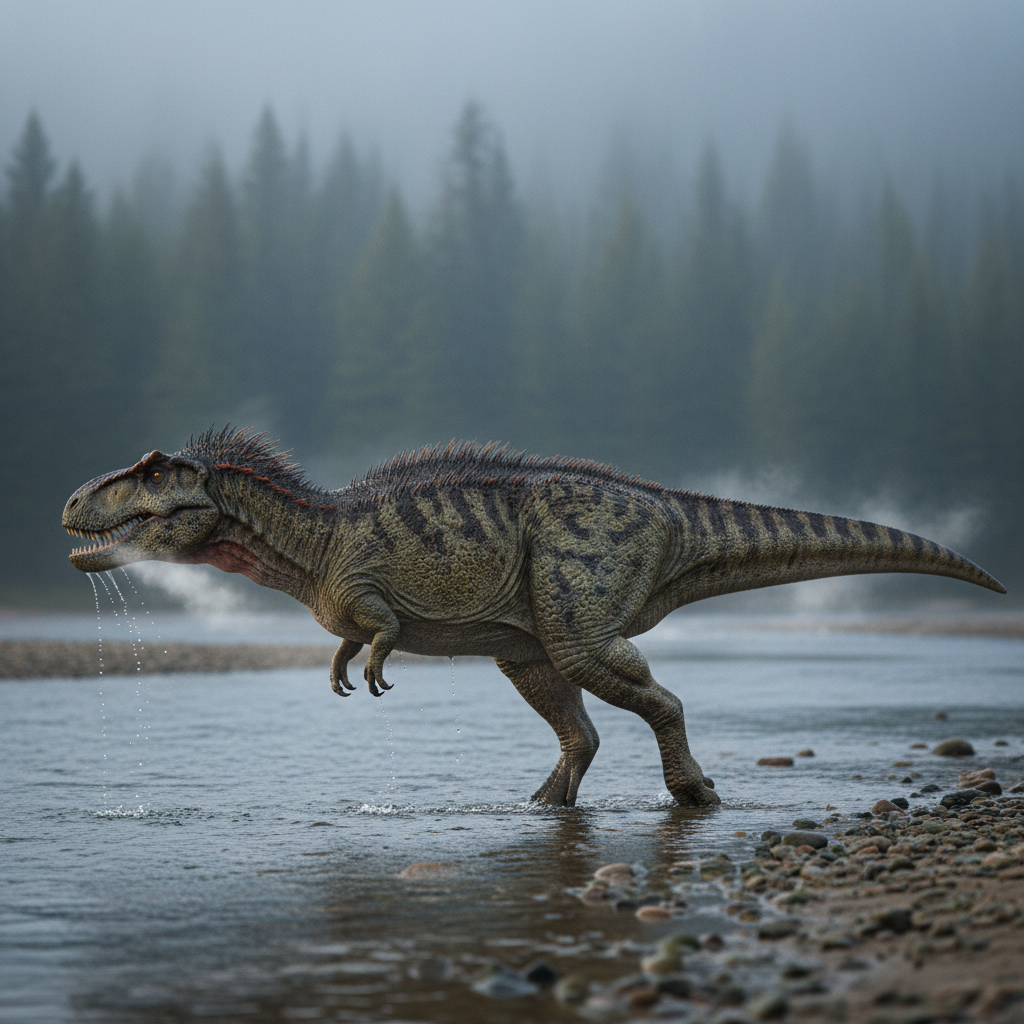
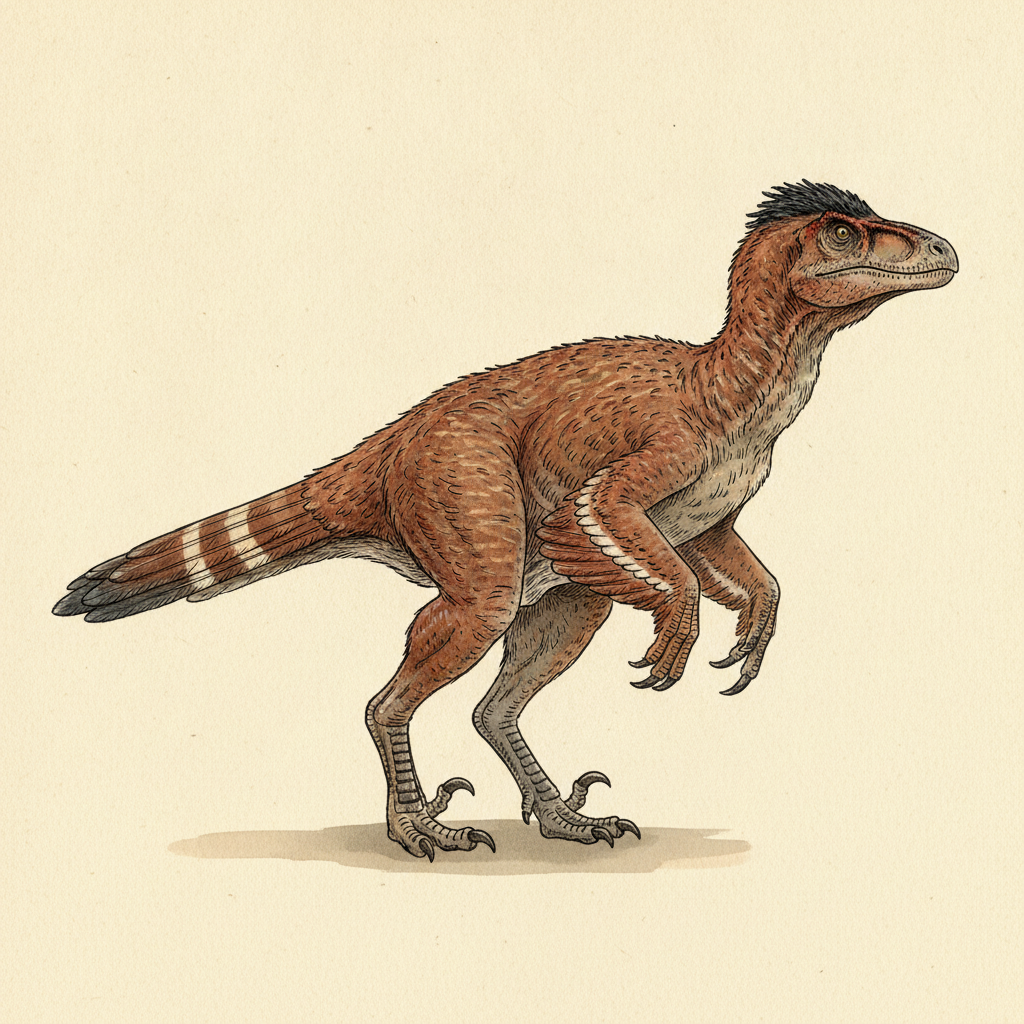
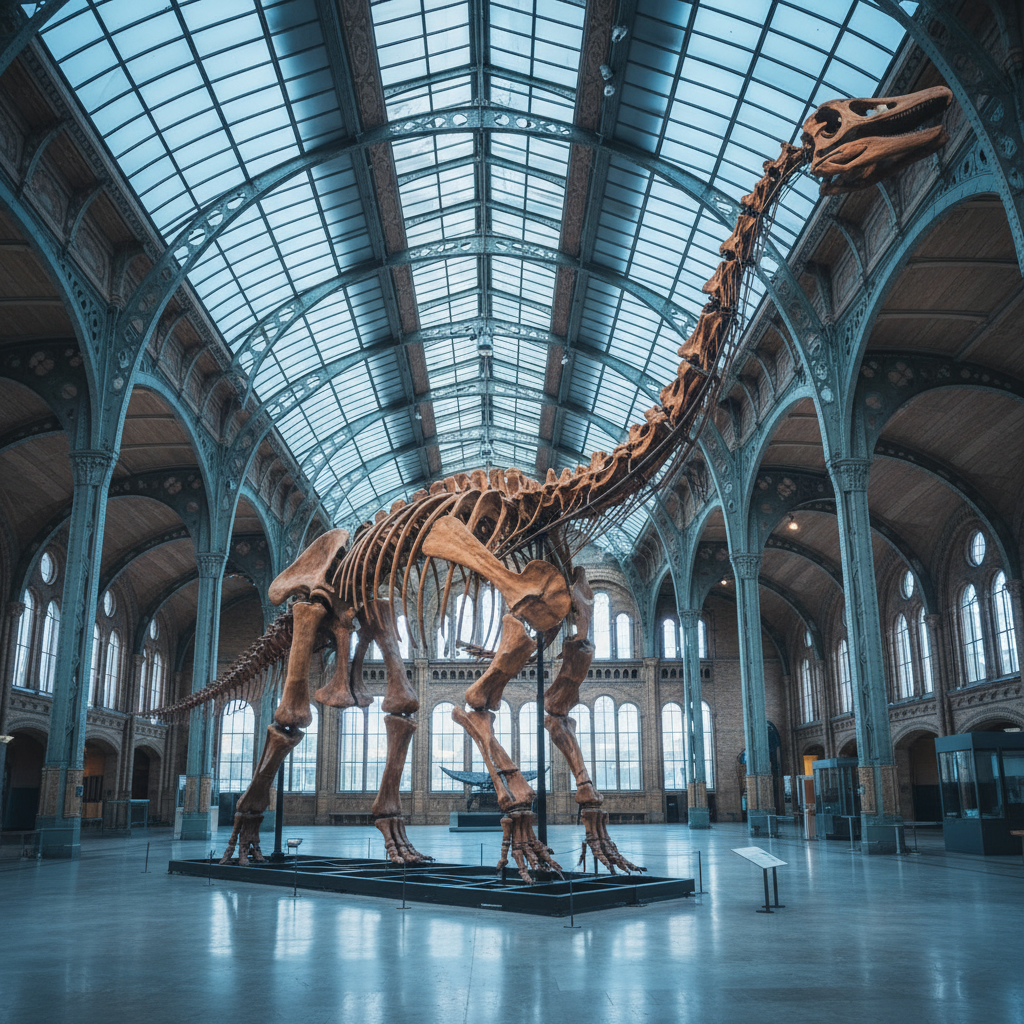
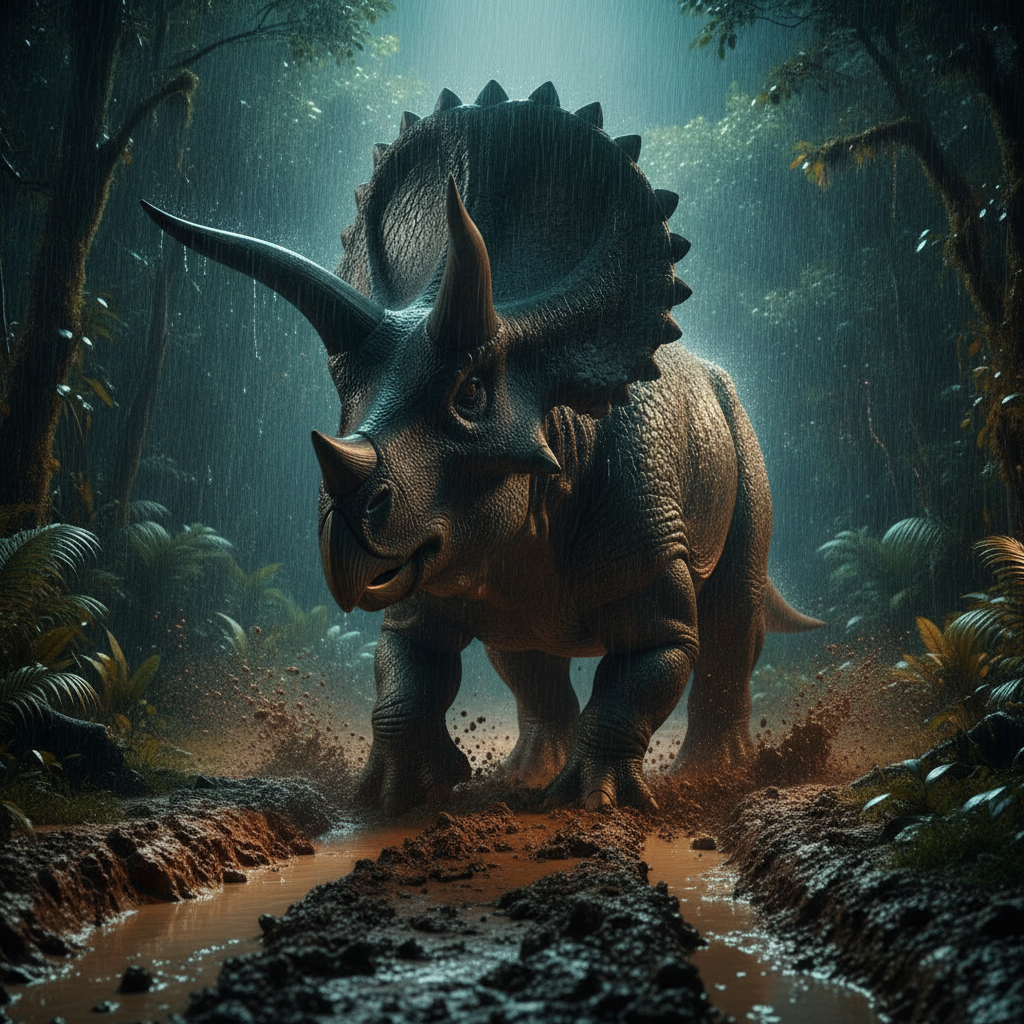
Nobody has ever photographed a dinosaur, so every dinosaur picture is an argument about how one should be shown. This AI dinosaur generator gives you six of those arguments — a documentary wildlife photograph of an animal that simply exists, a feathered paleoart plate that shows the anatomy, a fossil skeleton in a museum hall, a rain-soaked cinematic scene, a cute cartoon dino for a children's book, and a wide Cretaceous landscape. Describe the animal, pick the style, and get it back at up to 4K in about twenty seconds.
Try It Now — Free
Choose the style first, then use the details box for the species and the features you want. Each preset already carries the lighting, lens and rendering that make that kind of dinosaur picture convincing — whether the animal should look real, look accurate, or look friendly.
AI Dinosaur Generator
Pick a style, describe the dinosaur, and get a finished image in about twenty seconds
Dinosaurs From the AI Dinosaur Generator
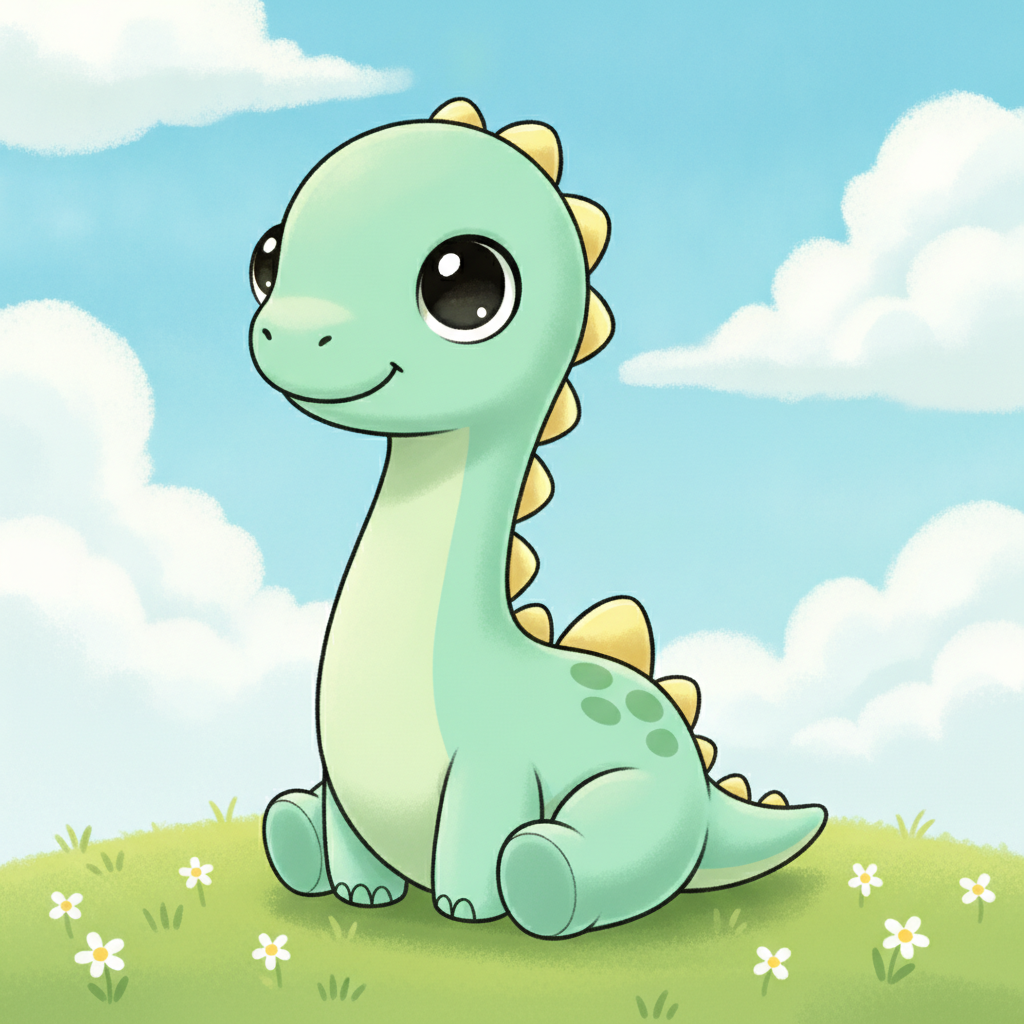
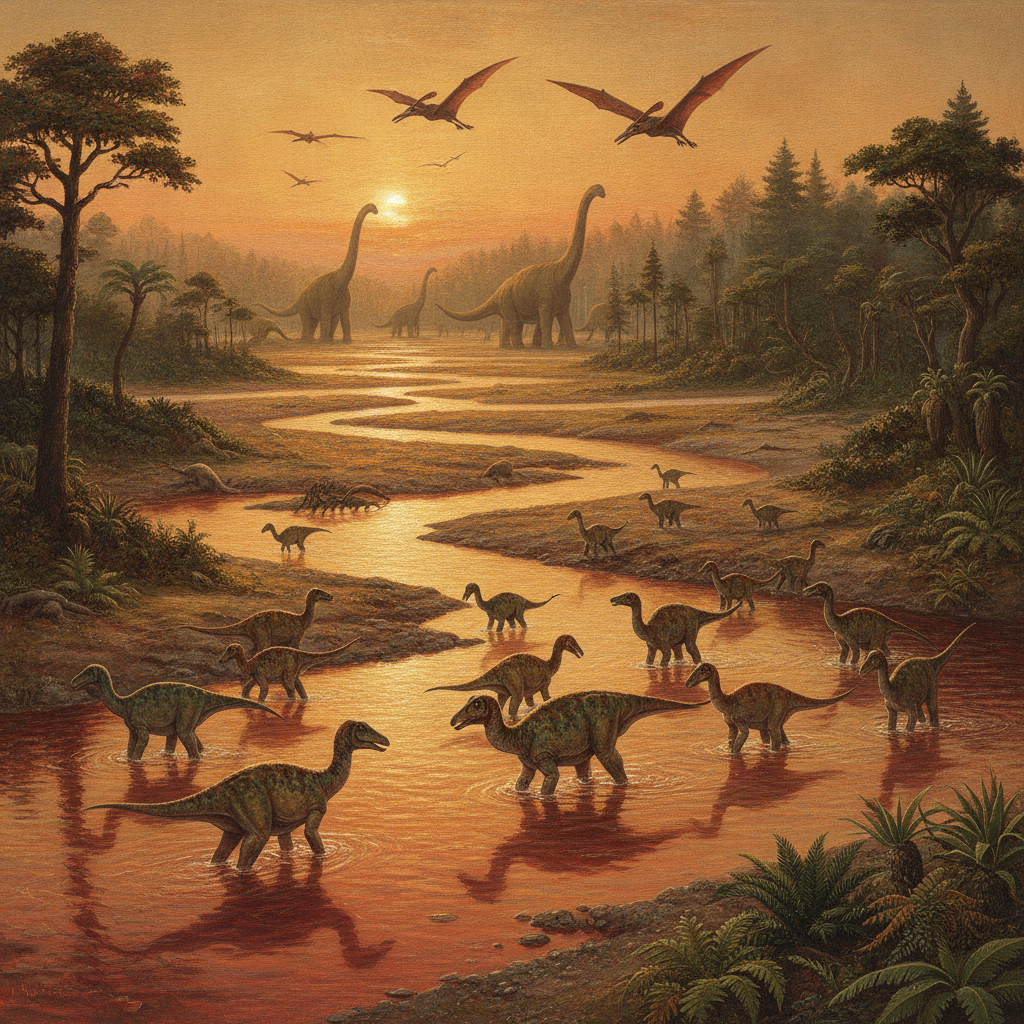
Wildlife photo, paleoart plate, museum skeleton, cinematic scene, cartoon dino and a Cretaceous landscape — six ways of picturing the same extinct animal
How the AI Dinosaur Generator Works
Three steps from a species name to an image somebody will actually believe
Pick How It Should Be Seen
The six presets are six ways of presenting a dinosaur, not six species, because presentation decides almost everything about how the result lands. Wildlife Photo puts the animal behind a long lens in flat overcast light, which is what makes a creature read as something that merely exists rather than something posing. Paleoart Plate turns it side-on against parchment so the anatomy is legible, the way a museum reconstruction has to be. Museum Skeleton drops the flesh entirely. Cinematic Scene hides most of the body in rain and backlight to build tension. Cute Cartoon Dino rounds every shape. Prehistoric Landscape pulls the camera back until the animals are part of an ecosystem. Choose the style and most of the image is already settled.
Describe the Animal, Not the Vibe
Use the details box for what the preset cannot guess, and describe a dinosaur the way a field guide would: rough size, body plan, hide or feathers, head and crest, limbs, and one memorable marking. A bus-sized duck-billed hadrosaur with a hollow backward-swept crest, olive flanks with pale horizontal stripes, and a wide flat beak. Concrete nouns beat adjectives every time — "awesome" and "prehistoric" give the model nothing to draw, while "banded russet plumage" and "a curved sickle claw on the second toe" give it a great deal. Naming a real living animal for the underlying build, then adding the one thing that makes it Mesozoic, is the quickest route to something that looks alive.
Generate, Then Change One Thing
Each dinosaur comes back in about twenty seconds at up to 4K. The useful next move is to run the same description again with a single variable changed: the same species as a wildlife photograph and as a paleoart plate will tell you whether your description is actually specific enough, because the plate exposes any anatomy the photograph was allowed to hide in shadow. Feathered against scaled is the other comparison worth making, since it is the single biggest decision in modern dinosaur art. Download at full resolution with no watermark, cleared for commercial use.
Why Use an AI Dinosaur Generator
Six reasons prehistoric animals are worth working out in pictures rather than in words
Stock Photos of Dinosaurs Do Not Exist
Every other subject has a photograph somewhere. Dinosaurs have fossils and interpretations, which is why the stock libraries are full of the same handful of dated 3D renders with shiny green skin and dragging tails. If you need a specific animal in a specific situation — a juvenile drinking at dusk, a herd crossing a river, a feathered raptor in snow — no archive has it and no amount of searching will produce it. Generating is not a shortcut here, it is the only route, and this AI dinosaur generator gets you a usable frame in about twenty seconds.
Feathers Are the Whole Argument
Dinosaur art has changed more in twenty years than in the previous hundred, and almost all of it comes down to feathers, posture and body fat. The old picture — scaly, gaunt, tail on the ground, mouth permanently open — is a museum piece in itself. The Paleoart Plate preset defaults to the modern reconstruction: dense plumage, horizontal spine, a bulky living animal rather than a skinned skeleton. If you specifically want the retro look, ask for it in the details box, but it is worth knowing which one you are choosing rather than getting it by accident.
Teachers, Museums and Kids’ Books
A classroom needs the same dinosaur in two registers: accurate enough that the anatomy is right, and friendly enough that a six-year-old wants to look at it. That is normally two commissions. Here it is two presets on the same description — the paleoart plate for the worksheet and the cartoon dino for the cover — which is also a genuinely good lesson in how illustration works. For a full picture book the AI children’s book illustration generator carries the same character across pages.
Scale Comes From the Camera
A sauropod does not look enormous because you asked for an enormous animal. It looks enormous because the viewpoint is low, because there are conifers and hadrosaurs nearby whose size the viewer already knows, and because atmospheric haze separates the near body from the far tail. This is the most common failure in generated dinosaur art — a perfectly rendered animal that reads as a toy on a table. The Prehistoric Landscape and Museum Skeleton presets build the viewpoint and the reference objects in rather than hoping the word "huge" does the work.
Games, Covers and Tabletop Campaigns
Dinosaurs turn up constantly in games, book covers, trading cards, school posters, party invitations and homebrew campaigns, and in most of those the image is the product rather than a reference. Output reaches 4K with no watermark and is cleared for commercial use, so a generated animal can go straight onto a store listing or a printed cover. The presets stay away from recognisable film franchise creatures, which keeps the result yours to publish rather than somebody else’s to enforce.
Free to Start, $9.98 to Go Further
You can generate dinosaurs free without a credit card, which is enough to find out whether your description is specific enough to produce the animal you had in mind. Paid plans begin at $9.98 for real work: running one species through every style, building a consistent set for a book or a game, or the repeated passes it takes before a reconstruction stops looking generic. Nano Banana Pro handles the 4K output, and commercial use is included rather than sold separately.
Frequently Asked Questions
Common questions about using an AI dinosaur generator
Bring Something Extinct Back Into Frame
Pick a style, describe the animal, and get a dinosaur at up to 4K — wildlife photo, paleoart plate, museum skeleton, cinematic scene, cartoon dino or a Cretaceous landscape. Powered by Nano Banana Pro. Free to start, plans from $9.98.
Six Ways to Draw an Animal Nobody Has Seen: the AI Dinosaur Generator
Every dinosaur image is a reconstruction, which makes this a stranger subject than it first appears. There is no reference photograph to fall back on and no way to check the result against life, so the only thing an illustrator can control is how the animal is presented — and that choice ends up carrying almost all of the meaning. The six presets in this AI dinosaur generator are six of those choices, and each one locks down the lens, the light and the rendering that make that kind of picture work. The species you describe is then poured into the mould.
The gallery shows the difference better than any description. The wildlife photograph is convincing because it is unremarkable: flat overcast light, a long lens, a blurred treeline, an animal doing nothing in particular. The paleoart plate is useful for the opposite reason — side-on against parchment, every limb legible, no atmosphere to hide behind. The museum skeleton removes the interpretation entirely and shows only the evidence. The cinematic scene keeps most of the body in darkness and rain, which is how films have always made dinosaurs frightening. The cartoon dino rounds every shape until nothing could threaten anyone. The Cretaceous landscape pulls back far enough that the animals become an ecosystem rather than a subject.
Running one species through two of those styles is also the fastest way to test your own description. The photograph will let vague anatomy hide in shadow and shallow focus; the plate will not, because it puts the whole animal side-on in even light where every joint has to make sense. If the two results disagree about how many fingers your theropod has or where the crest sits, the description was underspecified, and forty seconds of generating has told you something that would otherwise have surfaced halfway through a commission.
Who Uses It, and Where the Dinosaur Goes Next
Teachers and museum educators get the most immediate use, because a classroom needs the same animal twice — accurate for the worksheet, friendly for the display — and that is normally two separate commissions rather than two presets. Illustrators and authors use it at the thumbnail stage, where a dozen throwaway versions cost nothing and one of them turns into a brief. For a full picture book the AI children's book illustration generator carries a character across pages, and the AI coloring page generator turns the same dinosaur into line art a child can fill in.
Game teams, card designers and tabletop groups use it as concept work rather than as a finished asset — a direction a team can react to, which is more than a paragraph of description ever achieves. From there the AI concept art generator and the AI game asset generator take the animal into environments and props, the AI trading card generator puts it on a card, and the 4K image upscaler handles anything headed for print. If you want a creature that never existed at all rather than one that did, the AI monster generator and the AI dragon generator start from imagination instead of from fossils.
The limits are worth naming plainly. Accuracy is plausibility, not peer review — the model draws from pictures rather than papers, so name your species and its identifying features explicitly if the image is going into educational material. Each generation is independent, so an animal keeps its described features across runs but not its exact details; for the same dinosaur across many images, reuse one very specific description and work from the best result. The presets aim at real palaeontology rather than film creatures, which keeps the output publishable and out of anyone else's intellectual property. Within those limits the images are yours: 4K, no watermark, commercial use included, free to start and plans from $9.98.
Try the AI dinosaur generator free today. Pick one of six dinosaur styles, describe your animal, and download it at up to 4K. No credit card required to start. Paid plans from $9.98.