
AI Tablecloth Design Generator
You design a tablecloth as one flat rectangle, and then it becomes two surfaces meeting at a hard ninety-degree edge: a top that disappears under plates within a minute, and a vertical drop that hangs at eye level for the whole meal. This AI tablecloth design generator is organised around that split — six layouts built for the perimeter, the drop and the fold lines rather than for a pretty thumbnail. Up to 4K, about twenty seconds each.
Try the AI Tablecloth Design Generator Free
Pick a layout by where you want the pattern to live, not by which thumbnail is prettiest. All-over repeat is the forgiving one and the one that scales to any table size. Border and open centre is what most retail table linen actually is. Damask tonal behaves like a plain white cloth and reads as formal. Five presets give you the flat printable fabric; the sixth styles a laid table so you can judge the drop. Add your own motifs and palette in the box to steer any of them.
AI Tablecloth Design Generator
Choose a table linen layout, describe your motifs and palette, and get flat tablecloth artwork at up to 4K
What the AI Tablecloth Design Generator Produces
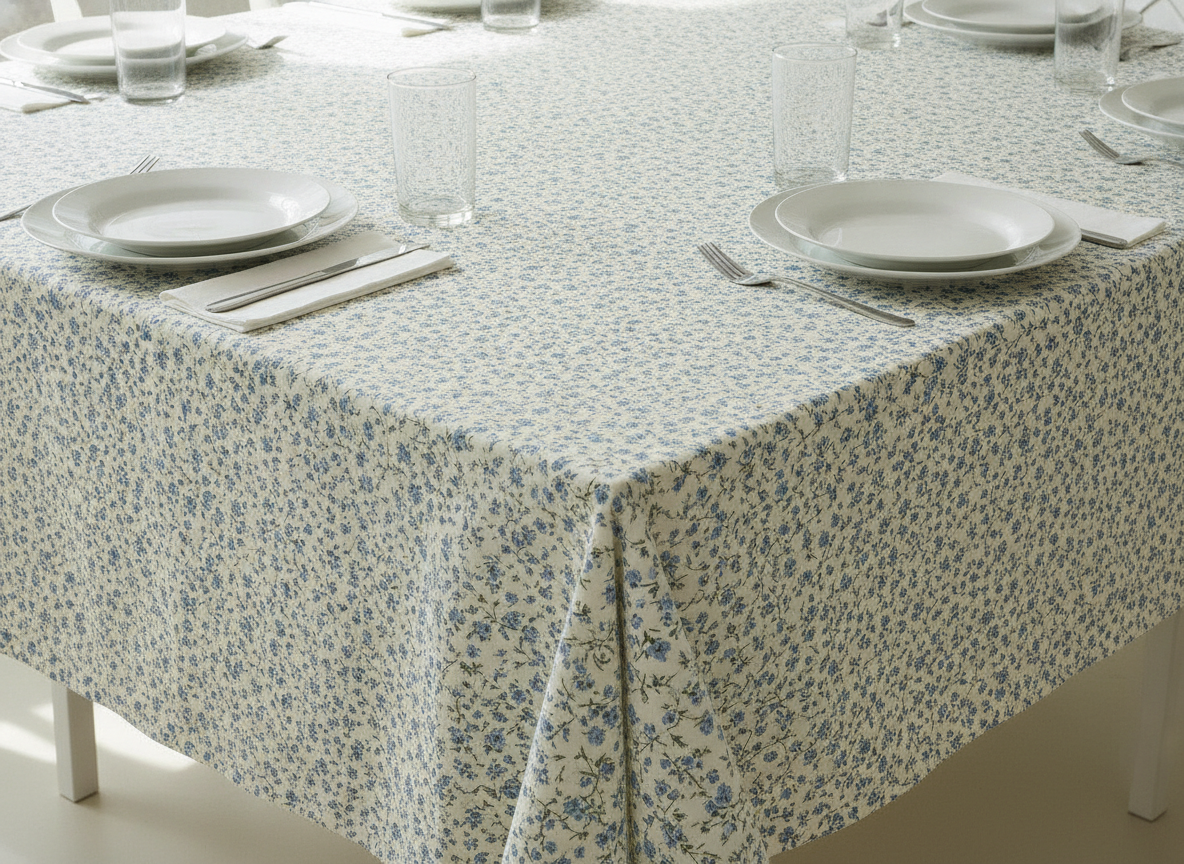
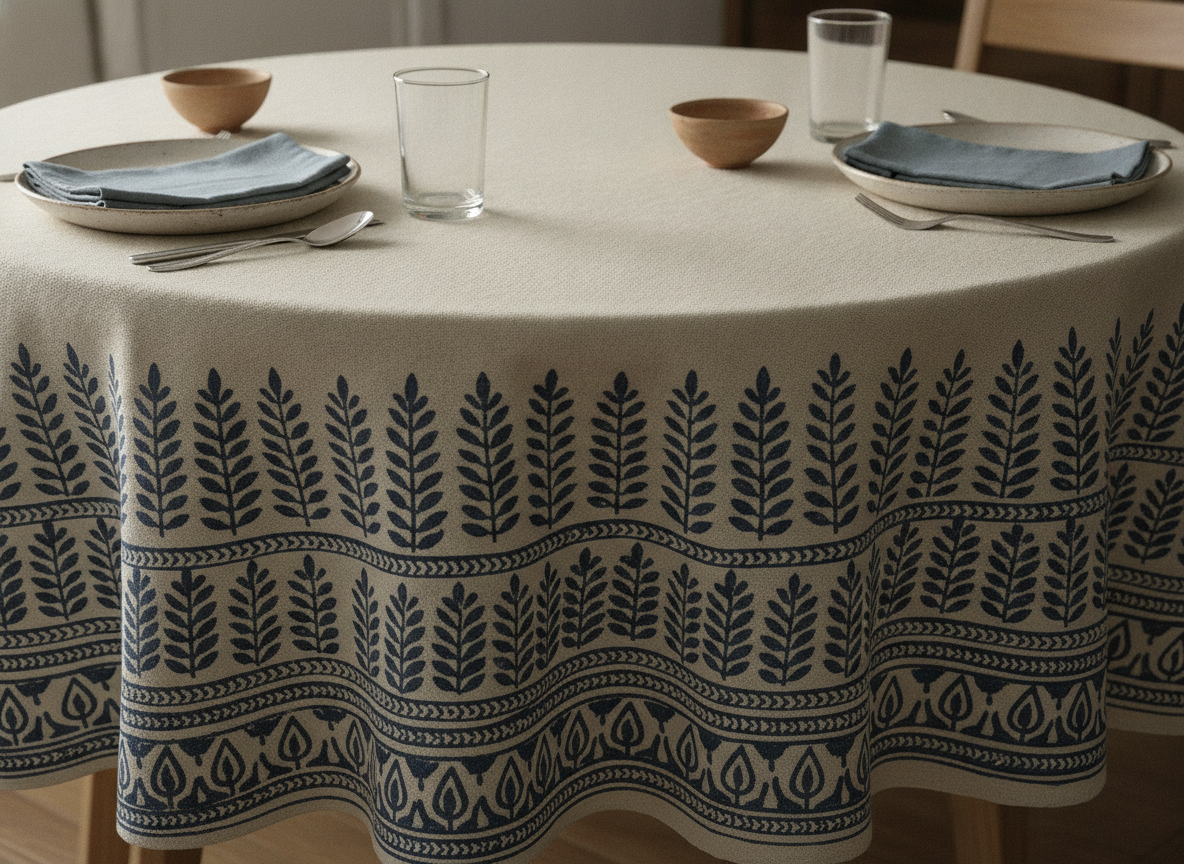
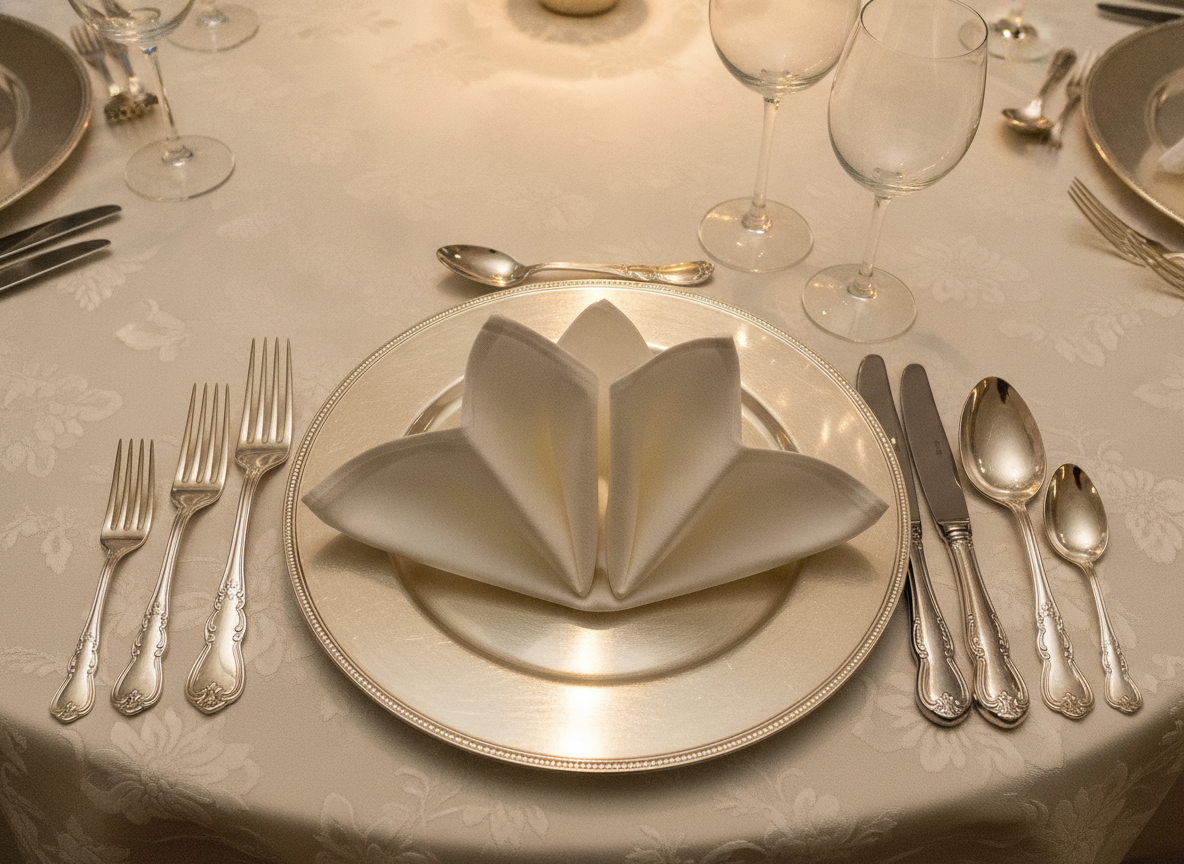
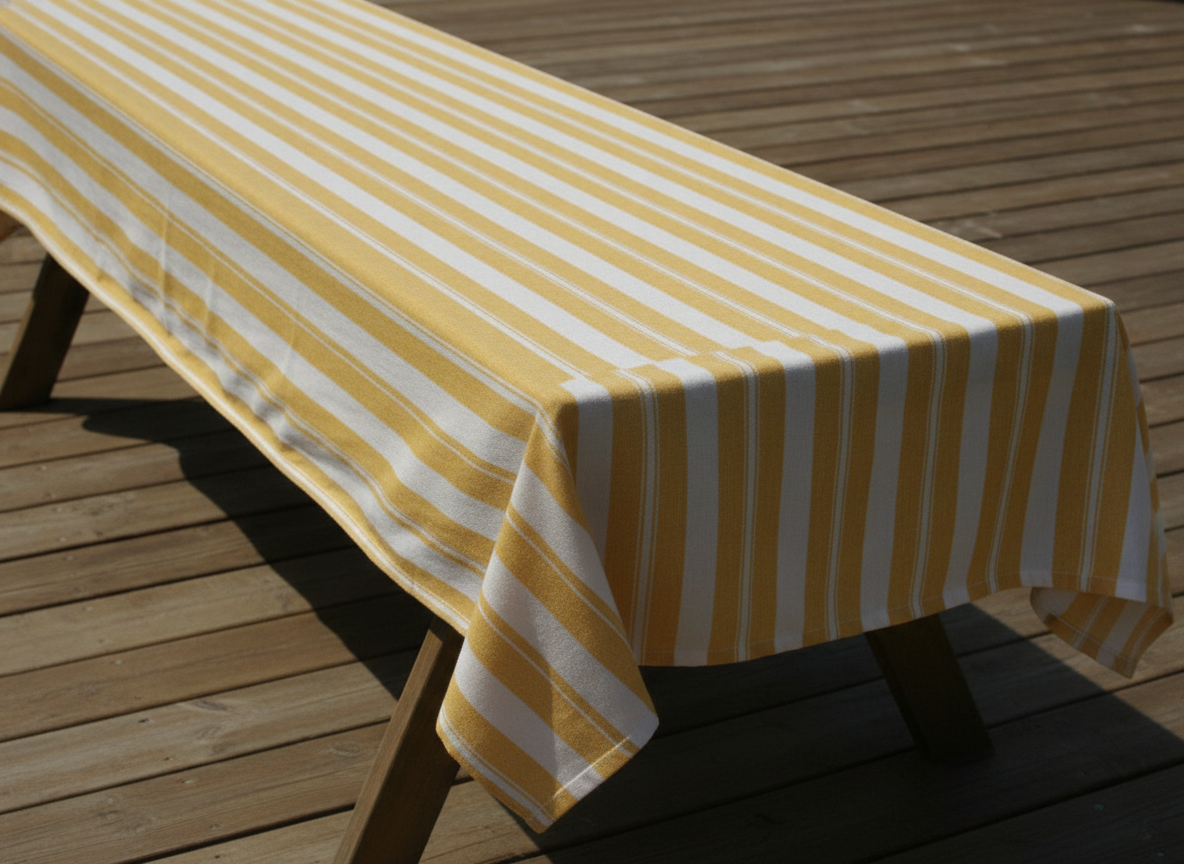
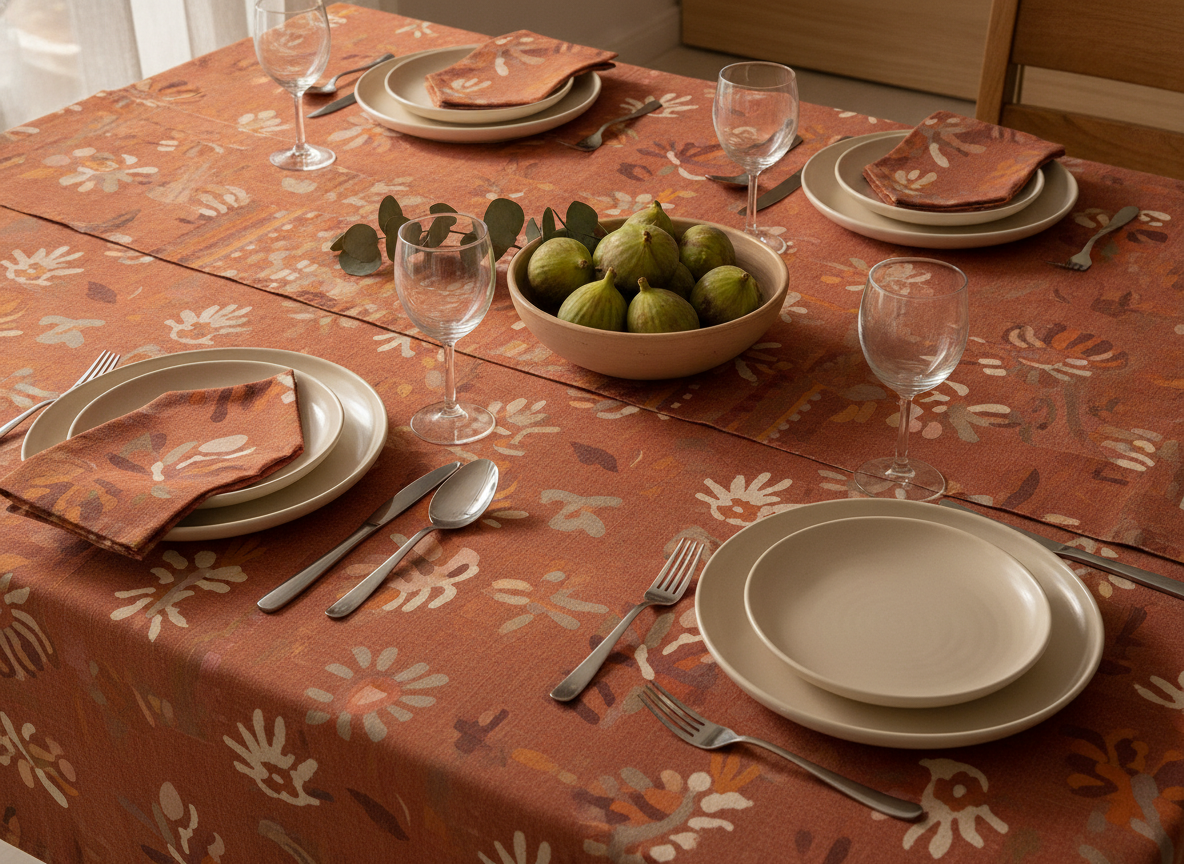
Six layouts, deliberately shown on real tables rather than as flat swatches — because a flat swatch is the one view that flatters every design equally and tells you nothing. The border cloth puts its entire pattern on the drop and leaves the top bare; the festive one is almost completely buried under dinner by the second course. Both of those are the point.

How the AI Tablecloth Design Generator Works
Measure the Cloth, Not the Table
Cloth size is table size plus twice the drop, so decide the drop before anything else — 20 to 25 centimetres for everyday, floor-length for an event. That number changes which layouts are even possible.
Pick a Layout and a Palette
Choose one of six layouts by where the pattern should live, then describe your motifs and colours. Leave the box blank and the layout generates its own. Each design takes about twenty seconds.
Tile It and Send to Print
Download at up to 4K and upscale. For the repeating layouts your printer steps one tile across the full width rather than printing a single giant file, so the tile is what you supply — plus matching napkins if you want the set.
Why Use This AI Tablecloth Design Generator
Any image generator can make an attractive pattern. Very few of them are set up for a rectangle of cloth that gets covered in dinner, folded into a drawer and washed at sixty degrees.
Six Layouts, Not Six Styles
Each preset is a different relationship between the pattern and the table — all-over repeat, decorated border with an open centre, formal tone-on-tone damask, woven stripe and check, seasonal repeat, and a coordinated cloth, napkin and runner set. The palette is yours; the layout is the decision that actually matters.
Built for the Drop
The vertical band that hangs over the edge is the only part of a tablecloth seen straight-on, at eye level, by everyone standing in the room. The border preset sizes its band to cover exactly that, so your best work lands where people can see it rather than under a serving dish.
Scaled for Real Table Sizes
A six-seat cloth is over two metres long, so a motif judged at fifteen centimetres on a laptop arrives four times that size. Every preset states its intended real-world scale in the prompt, which is why the repeats come back at texture scale rather than wallpaper scale.
Flat Artwork, Plus a Table Preview
Five presets give you the flat printable surface, which is what a table linen print service asks you to upload. The sixth styles a laid table with coordinating napkins and a runner, so you can see how a design behaves once plates and a drop are involved.
Patterns That Survive Dinner
Table linen is the one textile designed to catch food. Mid-tone all-over repeats hide crumbs, rings and the permanent cross of storage fold creases, which is exactly why restaurant linen looks the way it does — the presets lean that way on purpose rather than by accident.
It Makes Artwork, Not a Sewn Cloth
Said plainly because it saves a wasted upload: there is no manufacturer template, no hem allowance, no rounded corner and no size chart baked into the file. This tool settles what the fabric should look like. Your linen service handles cutting, hemming, mitred corners and sizing.
What Makes a Good Tablecloth Design
Five things that decide whether your table linen looks like a product or looks like a printed bedsheet thrown over a table.
One rectangle, two surfaces, one hard edge between them
This is the whole problem in a sentence. The moment a cloth goes on a table it folds over the edge into a horizontal plane and a vertical band, and those two zones are seen by different people from different angles. Seated diners look across the top at a steep raking angle, where a pattern foreshortens into stripes. Anyone standing sees the drop straight-on, square and undistorted, all the way round the room. The top is also the half that gets covered — so the drop is simultaneously the most visible part of your design and the part most people forget they are designing.
The middle of the table is not yours
Plates, glasses, a bread board, serving dishes and a centrepiece occupy the centre of the top surface within about a minute of the table being laid, and they stay there for the entire meal. Place settings land in predictable positions around the perimeter and the centrepiece owns the middle, which leaves the gaps between settings and the outer margin as the real estate that survives. A carefully composed motif in the centre of the cloth is designed to spend dinner underneath a casserole. Perimeter first, centre last — the opposite of how almost everyone starts.
Cloth size equals table size plus twice the drop
A six-seat rectangular table is roughly 180 by 90 centimetres. With a normal domestic drop of 20 to 25 centimetres you need about 230 by 140 centimetres of fabric; take that to floor-length for a wedding or a banquet and the same table needs about 324 by 234. Because the table edge is a hard visual line, any placed, non-repeating design is specific to one table size — move it to a different table and the border ends up on the top or halfway down the drop. Repeats do not care, which is the practical reason most sellers build ranges around them.
It arrives creased, and the design decides whether that shows
Table linen is stored and shipped folded, so a new cloth comes out of the pack with a cross of fold lines running through the centre in both directions. Artwork cannot prevent that, but it controls how much you notice: a flat pale field across the middle turns every crease into a hard shadow under overhead light, while a mid-tone repeat or a slightly broken ground swallows them. Cotton and linen crease hardest and want pressing; polyester relaxes on its own in an hour. It is also worth a line in a product listing, because it is the single most common surprise for a first-time buyer.
This is the textile you deliberately put food on
Everything else on a table is designed to be looked at. The cloth is designed to be spilled on, and that reality outranks taste. Polyester sublimation resists staining and creasing and washes ready to use, but cannot be bleached and has no white ink, so white is just undyed fabric. Cotton and linen feel like real table linen and can be washed hot and bleached back after red wine, but they crease and hold colour more softly than your screen suggests. Either way, pale flat grounds and high-contrast graphic work show their age fastest, and busy mid-tones age best — which is why patterned linen has outlived every trend that tried to replace it.
Tools That Pair With This One
Coaster Design Generator
The rest of the tabletop, and the other product on this site designed around the fact that most of it ends up covered.
Pattern Generator
For the seamless repeat tile itself, when you want the motif and the tiling worked out apart from any one product.
Image Upscaler
Take a 4K tile up to the pixel width a two-metre table linen print asks for before you hand it to a fabric printer.
AI Tablecloth Design Generator FAQ
Settle the Pattern Before You Order the Cloth
Twenty seconds and no sign-up to see whether your idea still works once it drops over the edge of a table. Considerably cheaper than finding out from a delivered sample.
Start Designing FreeAbout the AI Tablecloth Design Generator
This AI tablecloth design generator creates the printed fabric a custom tablecloth is made from, using Nano Banana Pro. Choose one of six layouts — all-over repeat, border and open centre, damask tonal, stripe and check, festive seasonal, or a coordinated table set — describe your motifs and palette if you have them in mind, and the model produces flat artwork at up to 4K in about twenty seconds. It is free to start with no account required, and what comes back is what a print-on-demand table linen service asks you to upload: the design itself, with cutting, hemming and sizing left to the manufacturer.
What separates a tablecloth design generator from a general pattern tool is that table linen is a whole-surface product that changes shape the moment it is used. One flat rectangle becomes a horizontal top and a vertical drop meeting at a hard edge, and the two are seen by different people from completely different angles. The top disappears under plates and a centrepiece; the drop hangs at eye level and is the only continuous, undistorted view of your fabric in the room. That is why the presets here are organised by where the pattern lives rather than by art style: an all-over repeat is forgiving and scales to any table, a border is sized to the drop and therefore specific to one table size, a damask reads as formal because it has no colour contrast at all, and a stripe has to run parallel to the table edges or it looks like a mistake.
People use this AI tablecloth design generator for three broad jobs. Home hosts design one cloth for a particular room, usually because nothing in the shops sits right with a floor, a wall colour or a set of plates they already own. Print-on-demand sellers develop a coordinated table linen range — cloth, napkins and a runner — across several colourways and seasons without commissioning a surface designer for each one, which is where the festive layout earns its place, since seasonal table linen is the category's most reliable annual seller. And event stylists, restaurants and wedding planners generate options at speed to show a client a scheme before any fabric is sourced.
Two limits are worth stating plainly. First, this produces artwork rather than a sewn cloth: there is no manufacturer template, no hem allowance and no size chart in the file, so your linen service handles construction and you handle the surface. Second, size and resolution deserve real attention, because cloth size is table size plus twice the drop — a six-seat table with a modest drop already needs about 230 by 140 centimetres, and a 150 dpi file at that width runs past 13,000 pixels, well beyond a single generation. The professional route is a seamless tile your printer steps across the full width, which is also why a design that looked delicate on a laptop so often arrives four times the intended size. This AI tablecloth design generator settles what the fabric should look like; print one section at true scale, lay it on the table, and let that decide before you order.