
AI Jigsaw Puzzle Generator
A puzzle image is the only artwork that gets judged after it has been destroyed. Nobody hangs it up — they break it into a thousand pieces, tip it on a table and spend eleven hours rebuilding it, and what they remember is whether that was a pleasure or a slog. This AI jigsaw puzzle generator designs for the second experience rather than the first: six styles built around how puzzles are actually sorted and solved, rendered at up to 4K in about twenty seconds.
Try the AI Jigsaw Puzzle Generator Free
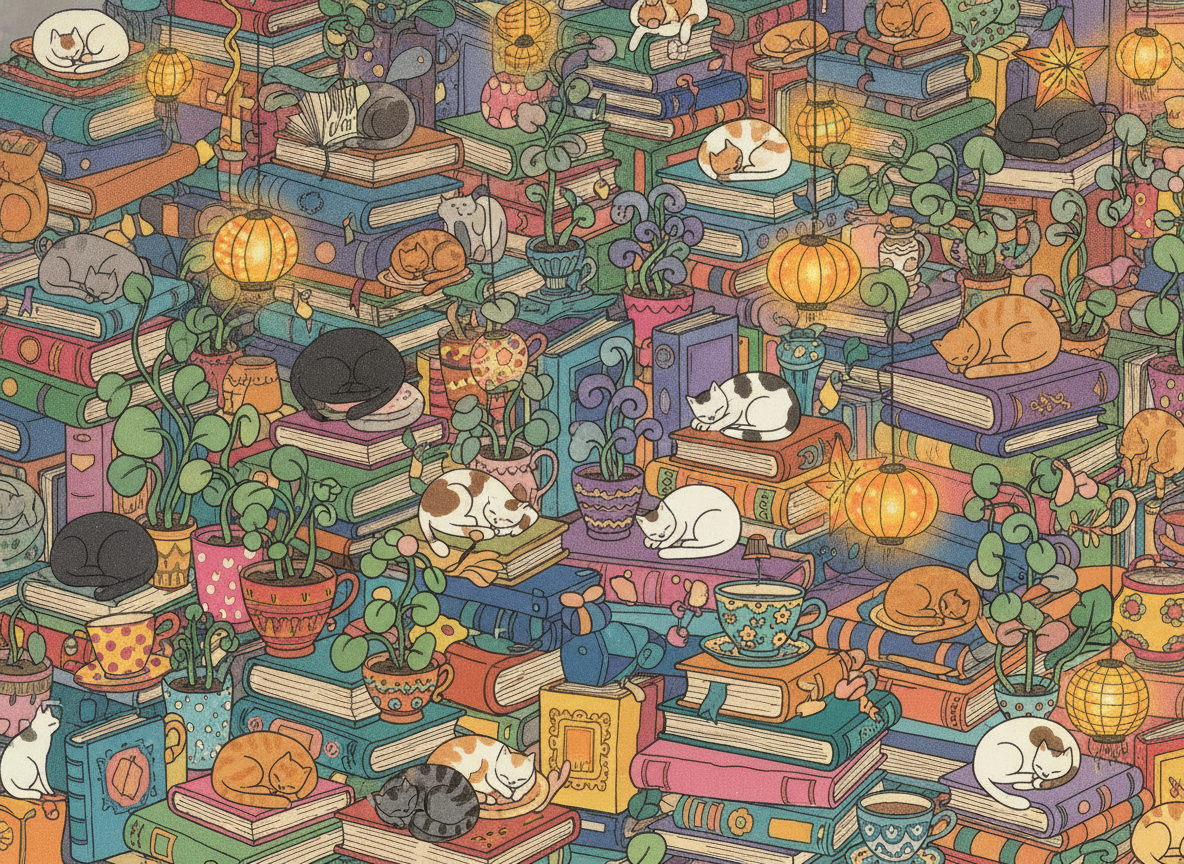
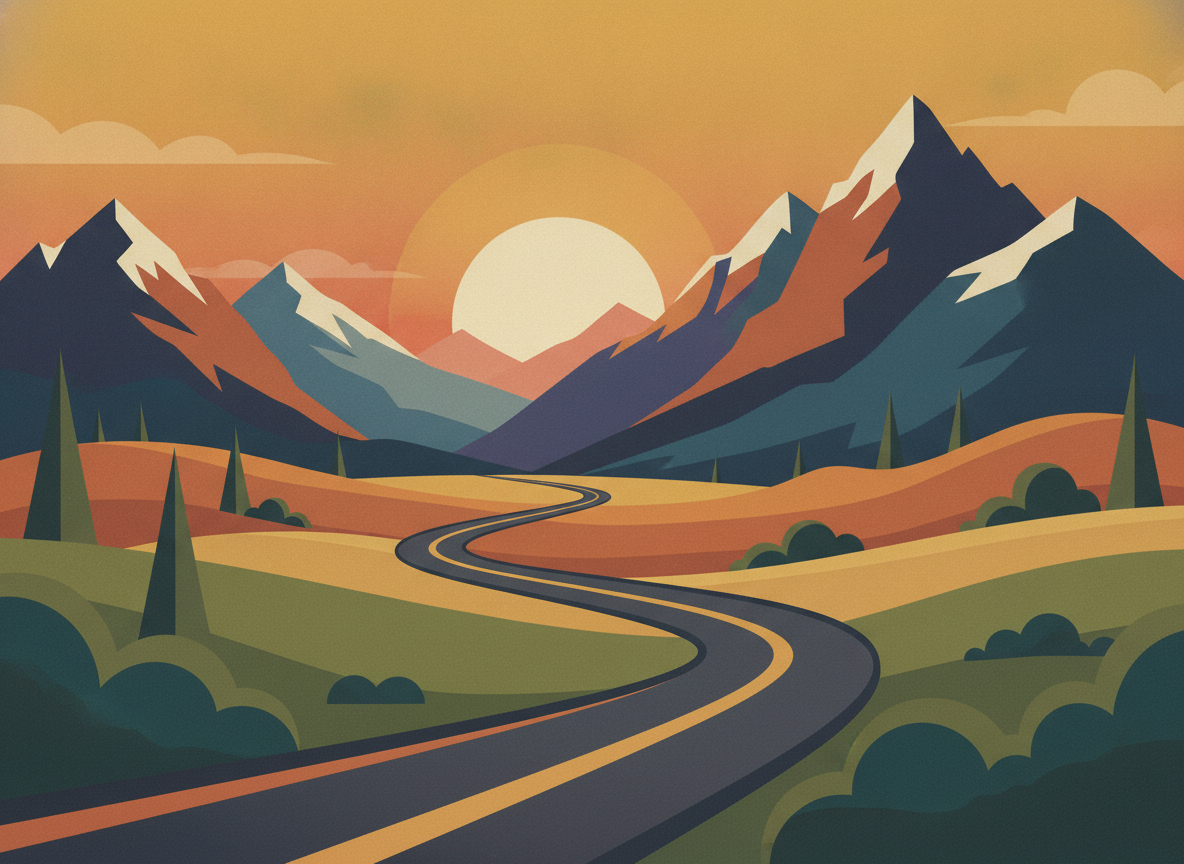
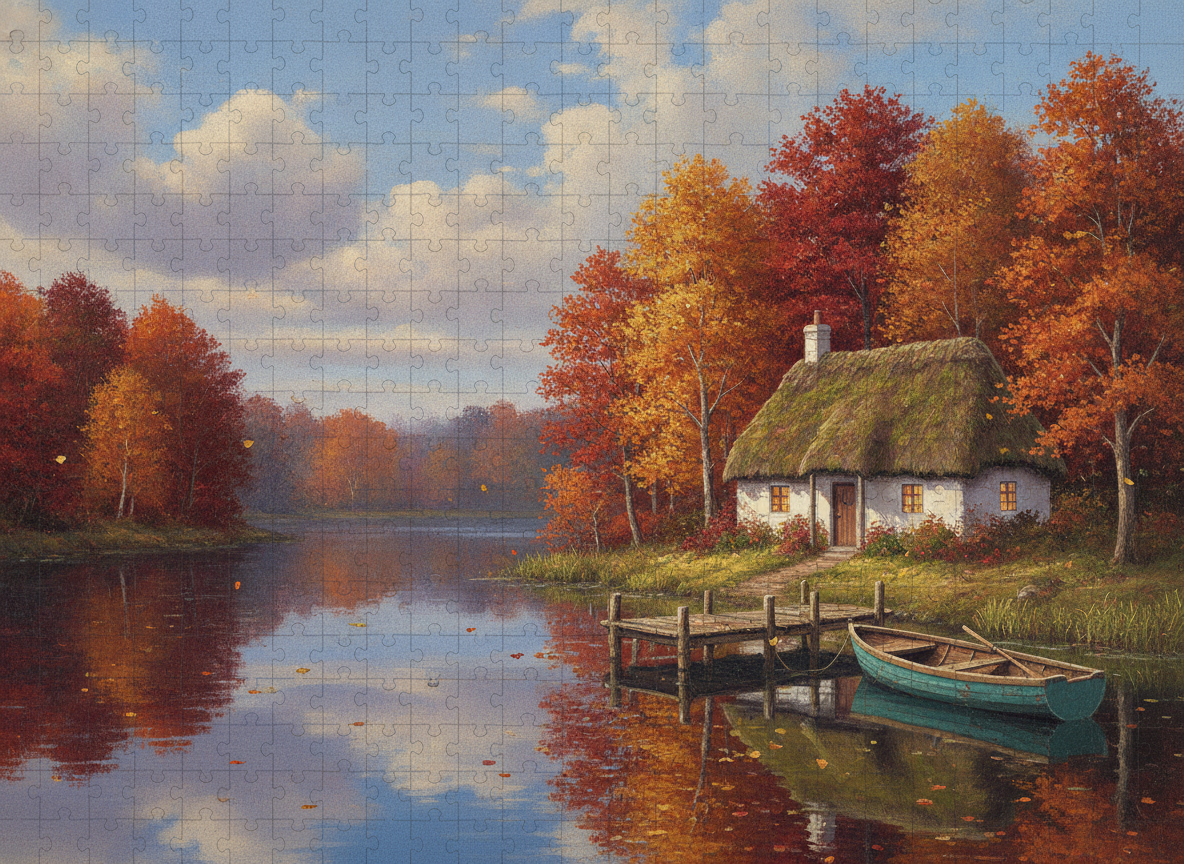
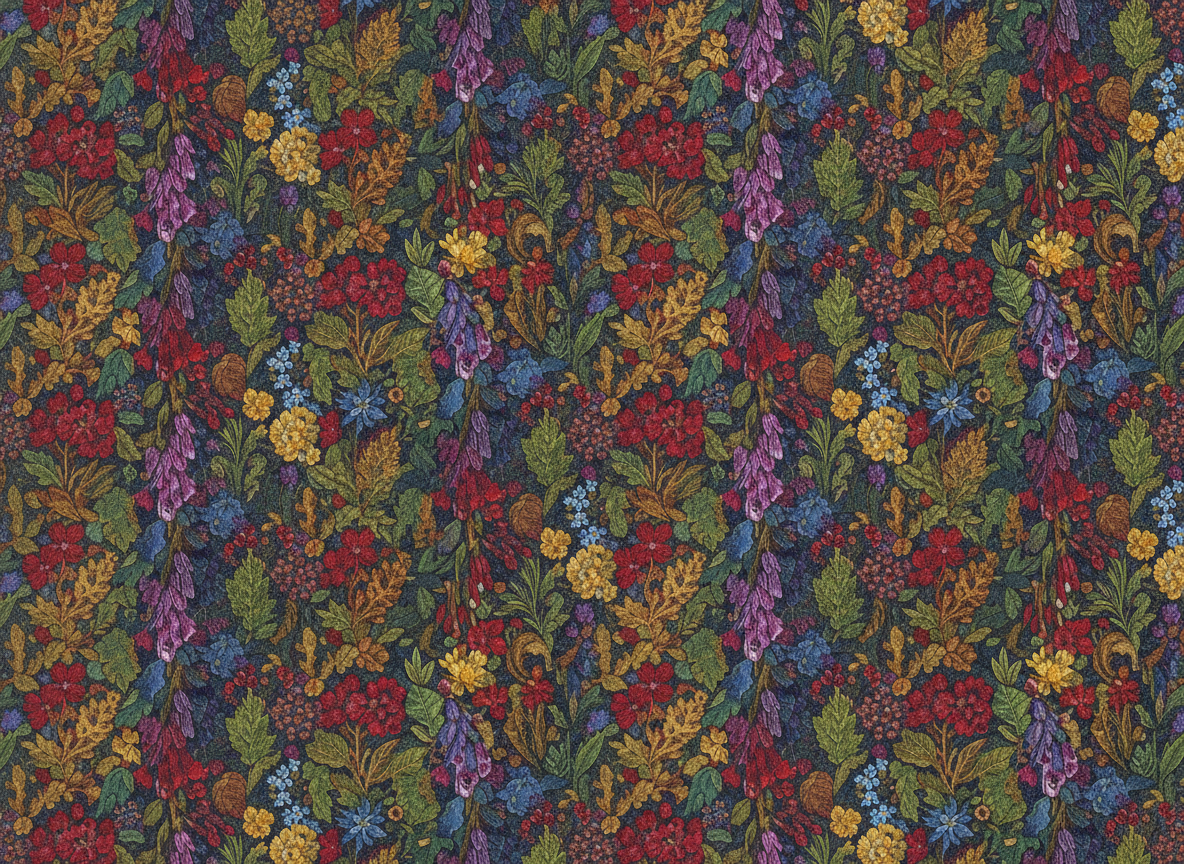
Pick a style by the difficulty you want to hand someone, not by which thumbnail looks prettiest. Busy collage is the friendliest thousand-piece experience and the one most people finish. Classic scene is the traditional look and the sky is where it gets hard. Gradient challenge is a genuine punishment, and kids chunky is the only one that works below a hundred pieces. Add your own subject in the box to steer any of them.
AI Jigsaw Puzzle Generator
Choose a puzzle style, describe your subject, and get print-ready puzzle artwork at up to 4K
What the AI Jigsaw Puzzle Generator Produces
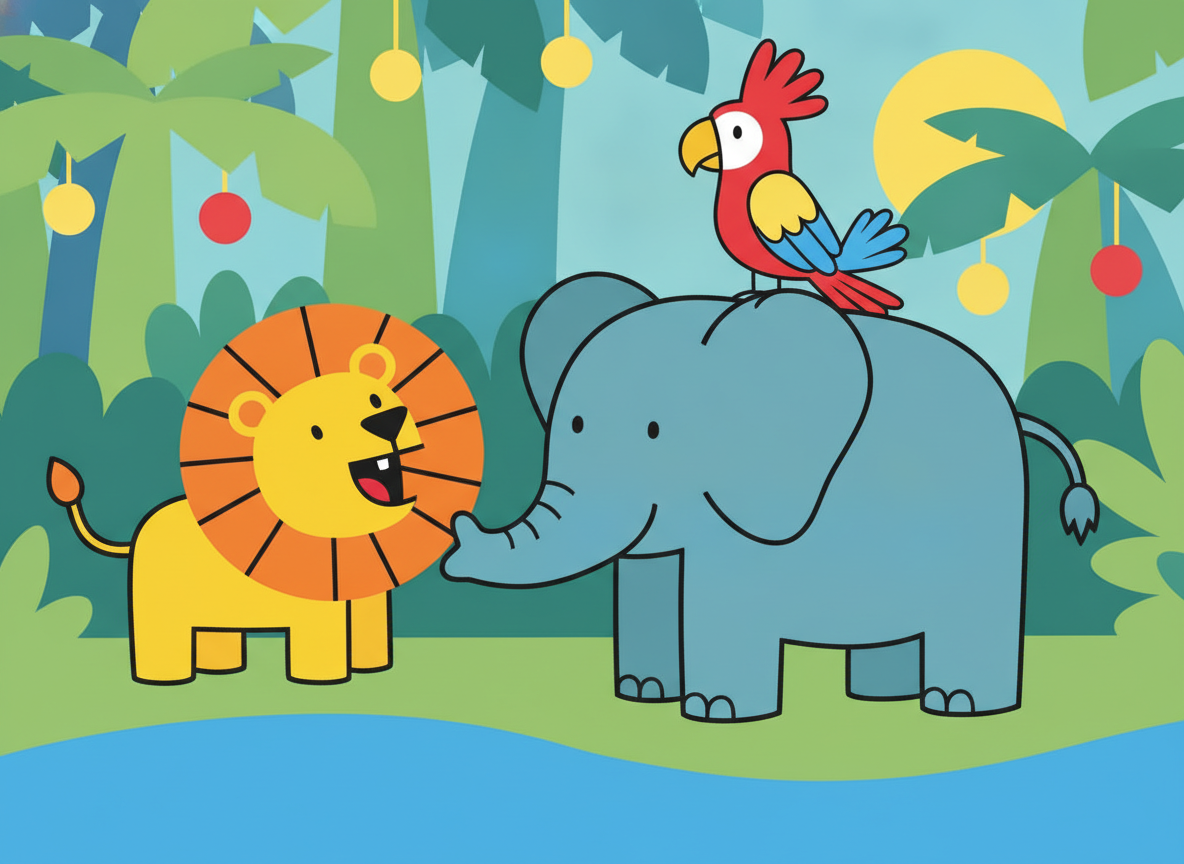
One design from each of the six styles. Ignore the subjects and squint instead: how many distinct regions could you sort each of these into before you placed a single piece? That number, not the prettiness, is what a solver will feel.

How the AI Jigsaw Puzzle Generator Works
Pick a Style and a Subject
Choose one of six styles by the difficulty you want, then describe your subject in the box if you have one — a favourite town, a hobby, a room, a season. Leave it blank and the style generates its own scene.
Generate and Compare
Each design takes about twenty seconds, so generate three or four and lay them side by side. The winner is not the prettiest thumbnail, it is the one with the fewest large areas that look the same everywhere.
Upscale and Send to Print
Download at up to 4K, upscale to your manufacturer template size, and upload. The factory die cuts the pieces — you never supply piece shapes, only a flat rectangular image with their bleed allowance.
Why Use This AI Jigsaw Puzzle Generator
Any image generator can make a pretty rectangle. Very few of them are set up to make a rectangle that is still enjoyable after somebody has broken it into a thousand identical-looking cardboard shapes.
Six Difficulty Archetypes, Not Six Filters
Each preset is a different solving experience with its own honest difficulty — friendly collage, flat colour-block landscape, traditional scene, even all-over botanical, deliberately brutal gradient, and a chunky style for children. You are choosing how hard someone else’s evening will be.
Detail Spread Across the Whole Frame
Every preset asks for variation edge to edge instead of one subject with space around it. That is the opposite of normal composition advice, and it is the single biggest difference between artwork that works on a puzzle and artwork that does not.
Written for Print-on-Demand Workflows
The output is a flat rectangular image at up to 4K, which is exactly what puzzle print services want, with no drawn-on piece outlines to fight the real cutting die. Pair it with the upscaler to reach a 19 by 27 inch template.
Deliberate Difficulty Is a Feature
The gradient preset is not a mistake. Near-impossible single-colour and gradient puzzles are a real product category people buy as gifts and challenges, and this is the fastest way to design one that still looks considered rather than lazy.
It Makes Artwork, Not a Cut File
Said plainly because it saves a wasted upload: there is no die-line, no piece geometry and no manufacturer template baked in. This tool settles what the picture should be. Your puzzle service handles bleed, board size and cutting.
4K Output for Two-Foot Prints
Resolution matters here more than on a page about icons. A finished 1000-piece puzzle is roughly 19 by 27 inches, so generating small and hoping is how you end up with soft, muddy pieces. Start at 4K and upscale from there.
What Makes a Good Jigsaw Puzzle Image
Five rules that decide whether your design becomes a family tradition or a box that gets abandoned at the four hundredth piece.
Large flat areas are the enemy, and the sky is the usual culprit
A clear blue sky occupying the top third of a 1000-piece puzzle is roughly three hundred pieces that carry no information beyond their own shape. Solvers either save it for last with dread or give up there. Cloud structure, a sunset gradient across several distinct bands, birds, branches breaking the skyline — anything that puts variation into that region rescues it. The same applies to snow, calm water, plain walls and blurred bokeh backgrounds, which is why photographic portraits with shallow depth of field make such poor puzzles.
Useful detail is about the size of a piece
A 1000-piece puzzle usually measures around 19 by 27 inches, so a piece is roughly three quarters of an inch across. Motifs that span two or three pieces are what a solver actually recognises and hunts for. Anything much smaller than a single piece disappears inside it as generic texture and gives no placement clue at all, which is why extremely fine, uniformly detailed artwork can feel strangely featureless once cut. Bold mid-scale shapes beat microscopic intricacy every time.
The whole rectangle is the subject
Composition rules that serve a poster actively hurt a puzzle. Negative space, a single hero subject, generous margins and a strong focal point all concentrate the interesting information into a fraction of the picture and leave the rest as filler. On a puzzle the corners and edges get as much attention as the centre, so the goal is an even distribution of things worth finding, closer to a tapestry or a market stall than to a magazine cover.
Repeats and symmetry cut both ways
A tiling pattern that repeats exactly means multiple pieces genuinely fit in multiple places, which is either a devious feature or an infuriating bug depending on what you promised on the box. A near-repeat with small deliberate variations gives solvers the pleasure of pattern recognition without the false placements. Mirror symmetry has the same problem in a milder form. Decide which one you are doing on purpose.
The box lid has to work at four inches
Solvers work from the reference image on the box, and that image is small. If your design only reads at full size — if the difference between two regions is a subtle shift in tone that vanishes on a thumbnail — the reference stops helping and the puzzle gets harder for reasons nobody chose. Shrink your render to postcard size and check that its major regions are still distinguishable before you order a print run.
Tools That Pair With This One
Image Upscaler
Take a 4K design up to the 8000-pixel width a full-size puzzle template asks for before you upload it.
Collage Art Generator
The busy, everything-everywhere look that makes the friendliest thousand-piece puzzles, explored on its own terms.
Wall Art Generator
For the opposite job — artwork meant to be looked at rather than taken apart, where empty space is an asset again.
AI Jigsaw Puzzle Generator FAQ
Design the Picture Before You Order the Board
Twenty seconds and no sign-up to find out whether your idea has enough going on to survive being cut into a thousand pieces. Cheaper to learn now than at the four hundredth piece.
Start Designing FreeAbout the AI Jigsaw Puzzle Generator
This AI jigsaw puzzle generator creates the artwork a custom puzzle gets printed on, using Nano Banana Pro. Choose one of six styles — busy collage, poster landscape, classic scene, botanical all-over, gradient challenge or kids chunky — add your own subject if you have one, and the model produces a flat rectangular design at up to 4K in about twenty seconds. It is free to start with no account required, and the output is exactly what print-on-demand puzzle services ask for: a finished image, at their template size, with the piece cutting left to the factory.
What separates a jigsaw puzzle generator from a general image tool is that puzzle artwork is optimised for a completely different experience. Ordinary picture design rewards a strong focal point, generous negative space and a shallow depth of field. All three are actively harmful once the image is cut, because they concentrate the useful information into a small part of the picture and leave large regions where every piece looks like every other piece. The presets here push in the opposite direction: colour and texture that vary across the entire frame, motifs sized at roughly one to three pieces so they are big enough to recognise, and no empty margins. That is why the six styles produce genuinely different solving experiences rather than six coats of paint on the same composition.
People use this AI jigsaw puzzle generator for three broad jobs. Gift makers design a one-off personal puzzle around a place, a hobby or a shared memory, and the custom subject box is what makes that work. Small sellers on Etsy and print-on-demand marketplaces develop a range of original puzzle designs without commissioning an illustrator for each one, testing four or five directions in the time a brief would take to write. And puzzle enthusiasts design deliberately difficult pieces for their own collections — the gradient preset exists precisely because near-impossible monochrome puzzles are a real and beloved category rather than a design failure.
Two limits are worth stating plainly. First, the tool produces artwork, not a cut file: piece shapes come from a physical steel-rule die that your manufacturer already owns, so you never supply piece geometry and you should never draw piece outlines onto the artwork itself. Second, resolution deserves attention because a finished 1000-piece puzzle is roughly 19 by 27 inches, far larger than most things generated online — start at the highest resolution your plan allows and run the result through the image upscaler to reach your template. This is the same honest division that applies to the other craft tools on this site, where the cross stitch generator produces a design rather than a counted chart and the stained glass generator produces a panel rather than a cutting cartoon. This AI jigsaw puzzle generator settles what the picture should be, and the factory handles the cardboard.