
AI Helmet Design Generator
A helmet is the hardest surface in custom design to get right on the first attempt. It curves in two directions at once, it has a mirrored second side nobody remembers to draw, and on a cycling or snow shell most of your artwork is about to become a vent. This AI helmet design generator is organised around those constraints, with six liveries built for a shell that gets seen in motion from three metres away rather than for a flat thumbnail. Up to 4K, about twenty seconds each.
Try the AI Helmet Design Generator Free
Pick the preset that matches the shell you actually own, because the shell decides what a livery can do. Motorcycle wraparound is the forgiving one — a mostly continuous surface that takes flowing bands. Race panel is the mirrored, hard-edged layout built to be recognised at speed. Vented cycling routes the graphic through the ribs between the openings. Team stripe leaves a clean space for a crest, and all-over pattern survives any hole cut through it. Add your colours and motif in the box to steer any of them.
AI Helmet Design Generator
Choose a helmet style, describe your colours and motif, and get custom livery concepts at up to 4K
What the AI Helmet Design Generator Produces
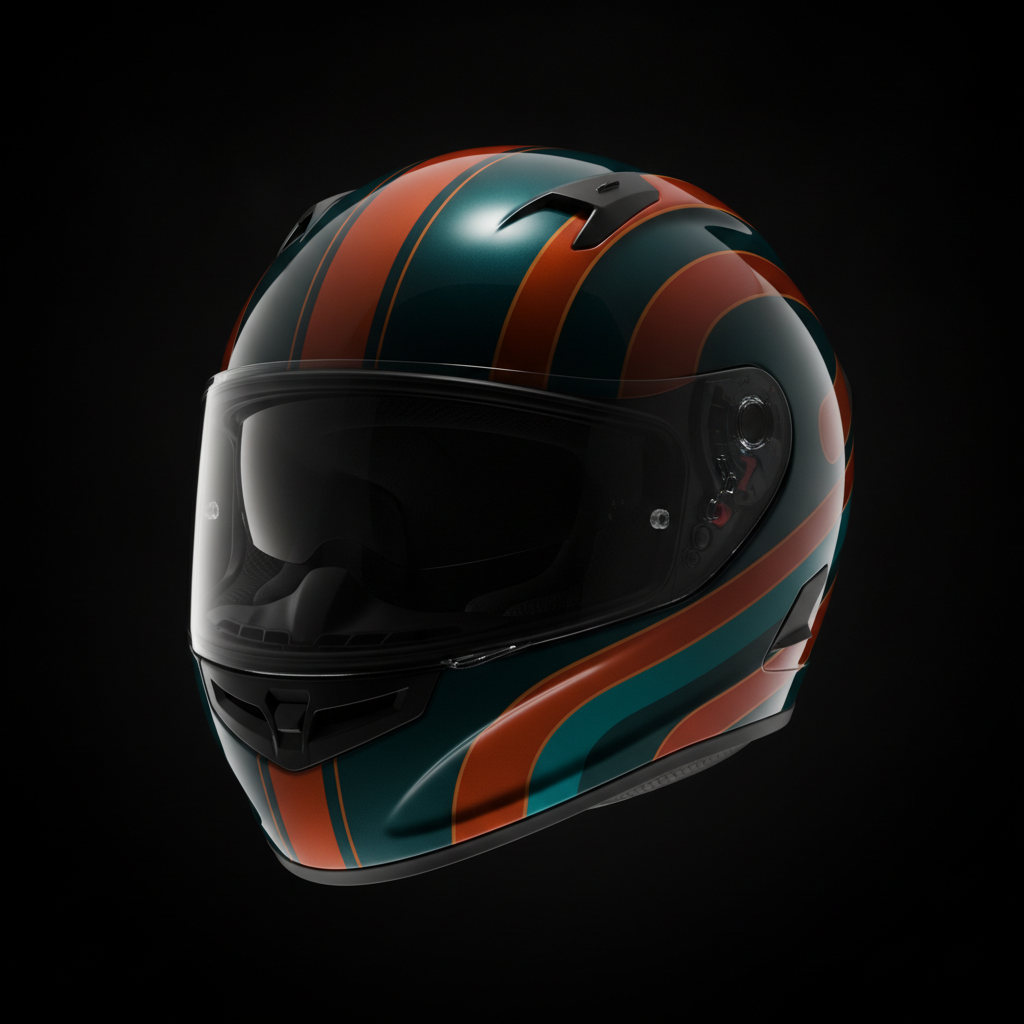
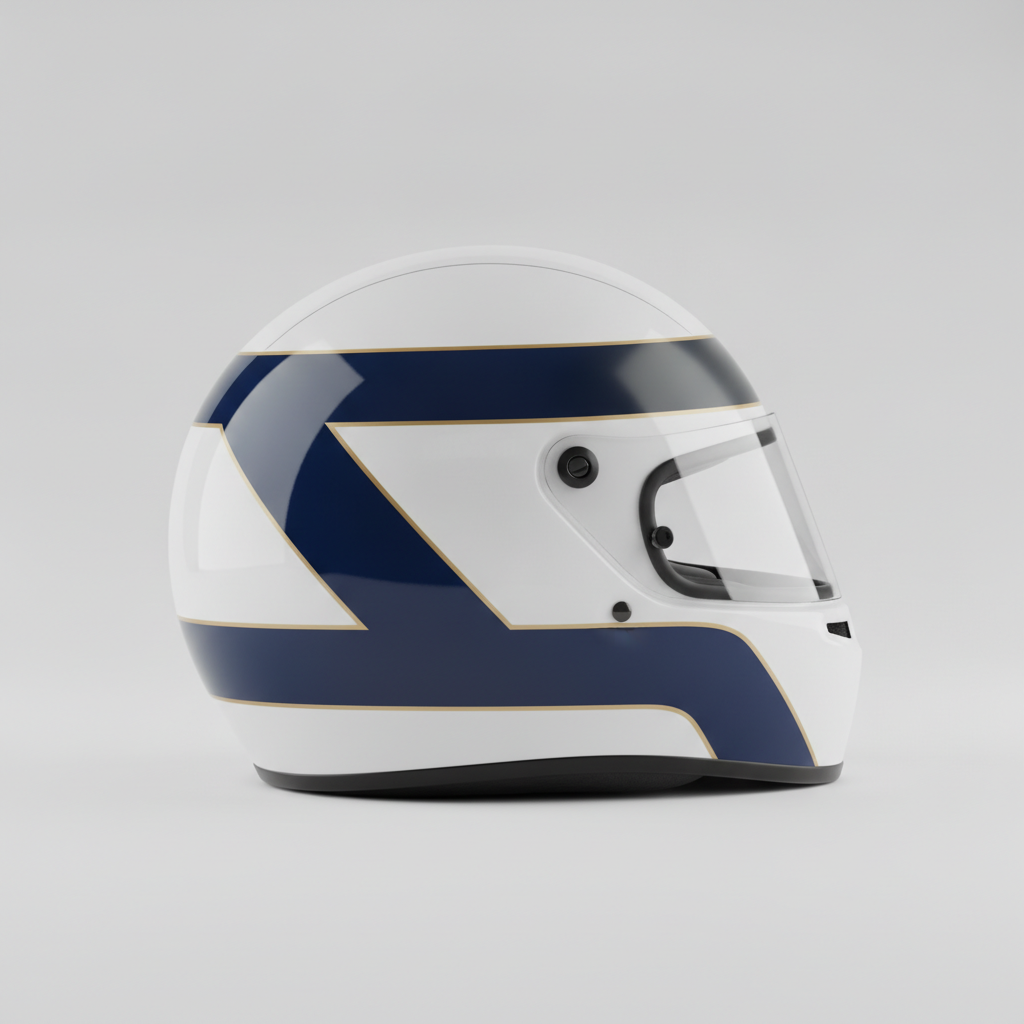
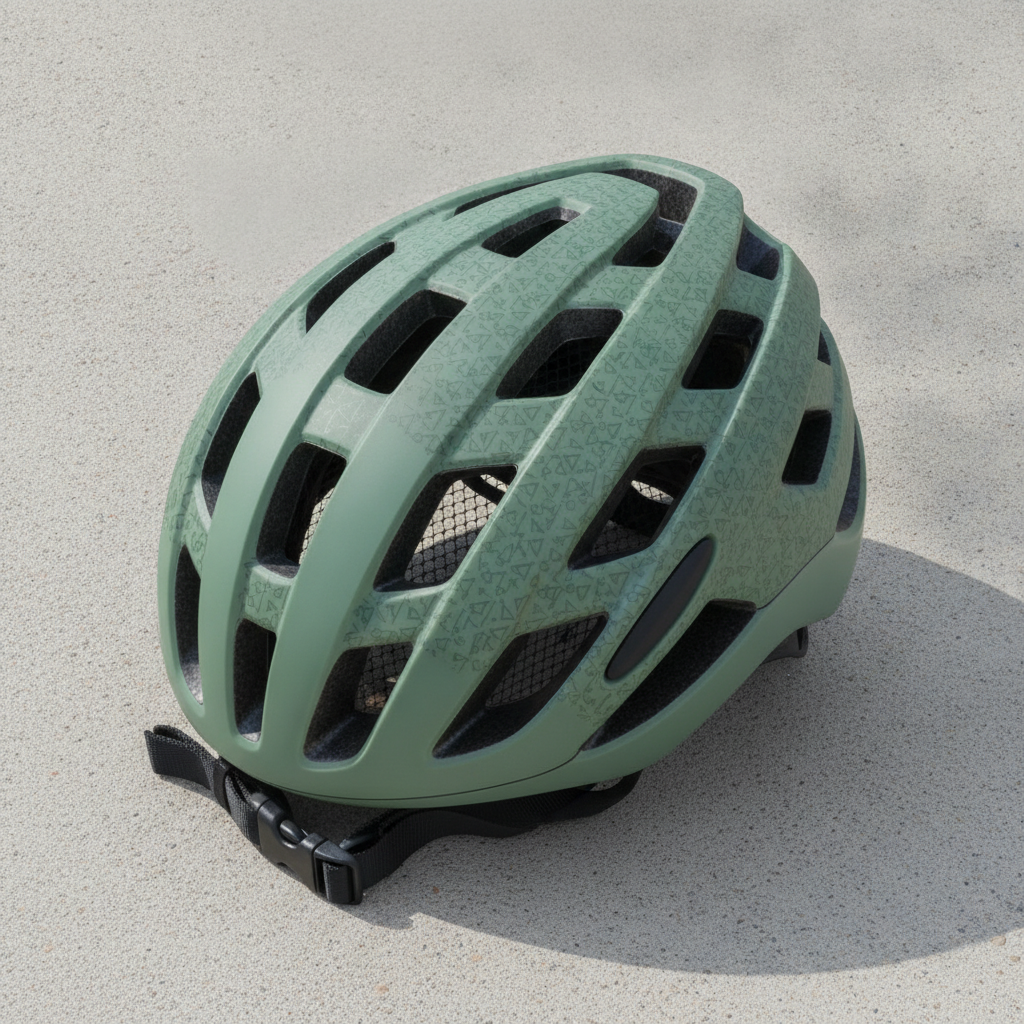
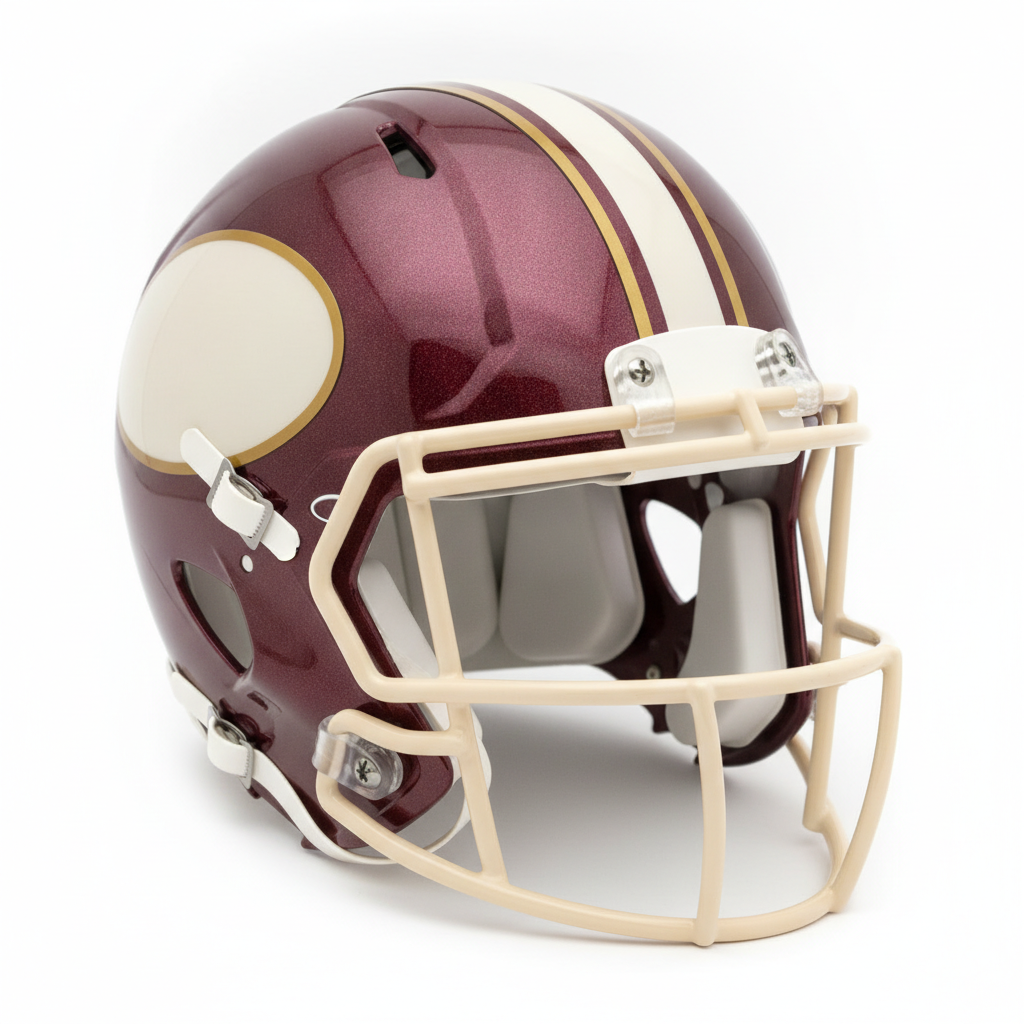
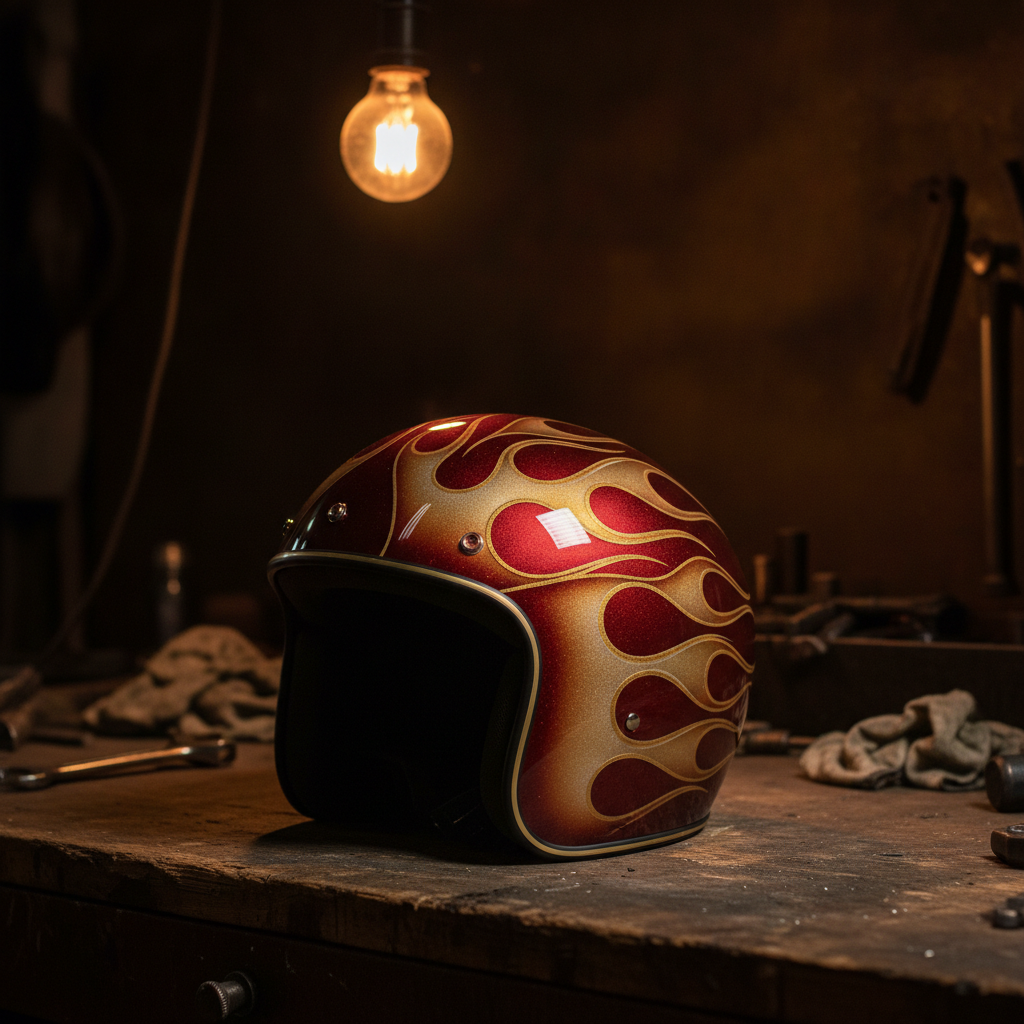
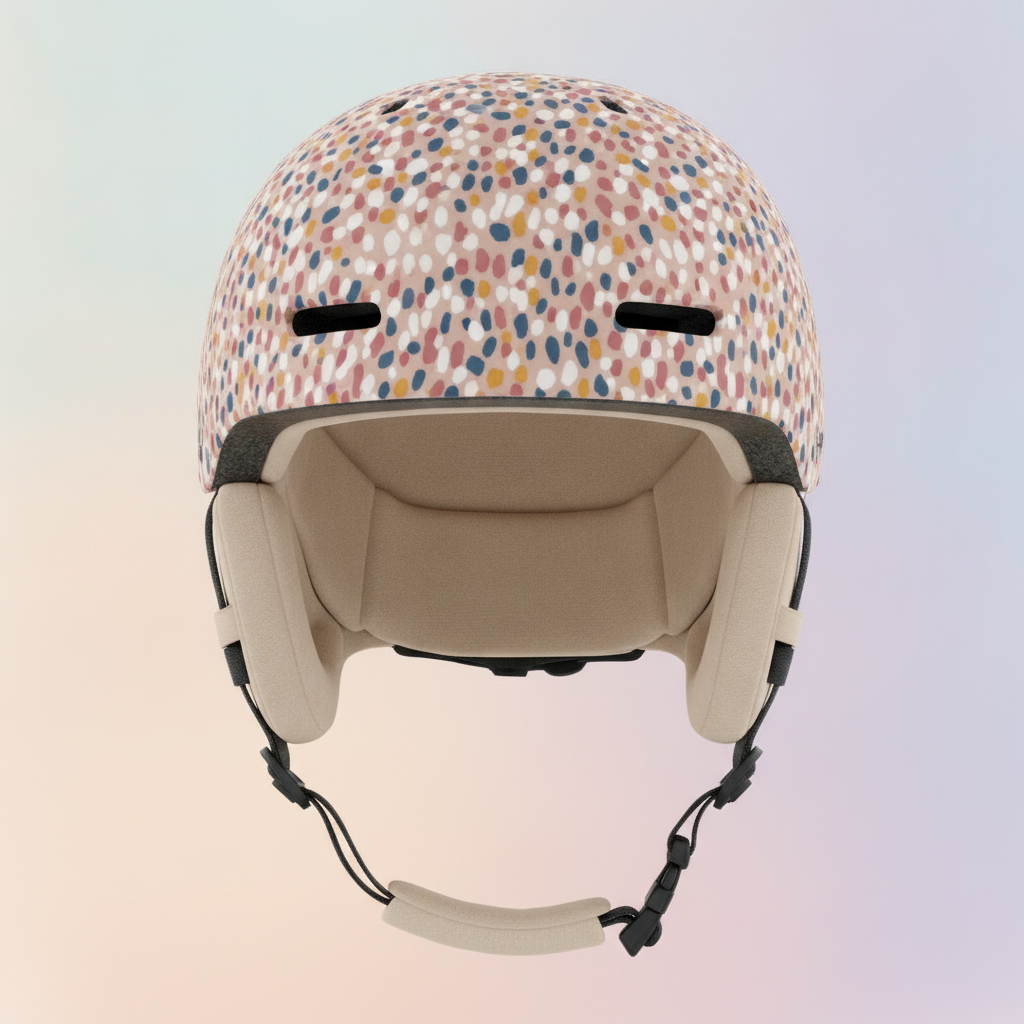
Six liveries, shown on the shell rather than as flat artboards, because a flat artboard is exactly what hides the problem. Note how the racing chevron is drawn pointing forward so it still points forward when mirrored, how the cycling print is routed around the vents instead of through them, and how the team helmet keeps a clean blank oval for a crest that has not been applied yet.
How the AI Helmet Design Generator Works
Start From the Shell You Own
A full-face motorcycle shell, a vented road helmet and a team helmet with a facemask are three different design problems. Pick the preset that matches the actual helmet, because the vents, the visor aperture and the shell seam decide which liveries are even possible.
Add Your Colours and Motif
Describe the palette and any theme you want in the box, or leave it blank and let the preset choose. Each concept takes about twenty seconds, so generate several variants and compare them side by side rather than committing to the first one.
Take It to a Painter or Wrap Shop
Download at up to 4K, upscale if it is going to be printed as a wrap, and hand it over as a reference. Confirm with the helmet manufacturer or your painter that the finish you want can be applied to your specific shell before any work starts.
Why Use This AI Helmet Design Generator
Any image tool can paint a pretty helmet. Very few are set up for a double-curved shell with a mirrored second side, a row of vents through the middle of the artwork and an audience watching it go past at speed.
Six Shells, Not Six Art Styles
Each preset answers a different structural question — motorcycle wraparound, race panel livery, vented cycling, team stripe, airbrush custom and all-over snow pattern. The palette and the theme are yours. Which shell the design has to live on is the decision that actually changes the artwork.
Drawn for a Compound Curve
The presets build liveries from bands, chevrons and panel splits that run front to back along the shell, because those are the shapes that keep their intent when the surface bends away from you in two directions at once. Flat-panel compositions do not.
Mirror-Ready by Default
The race preset is composed so the same layout can be flipped onto the opposite side and still point forward, which is the convention every racing painter works to. Half the people who see your helmet are looking at the side you did not draw.
Routed Around the Vents
On a road or snow helmet the openings can take more surface than they leave. The cycling preset deliberately runs its motif through the solid ribs between vents, and the all-over pattern preset simply does not care where a hole lands.
Legible at Three Metres and Moving
A helmet is read from the stands, through a windscreen or across a car park, not held at arm’s length. The presets favour large shapes and high tonal contrast over fine line work that dissolves into noise the moment the helmet is in motion.
It Makes a Design, Not a Finished Helmet
Worth saying plainly: this produces concept artwork and reference imagery. Your painter, wrap shop or manufacturer handles materials, application and whether a finish is compatible with your certified shell.
What Makes a Good Helmet Design
Five things that decide whether a helmet livery looks like it was designed for the shell or printed and stuck onto it.
The shell curves in two directions, and your artwork does not
This is where most first attempts fail. A helmet is a compound curve, so every graphic on it is being stretched and foreshortened differently depending on where you stand. A stripe that looks parallel-sided on a flat drawing narrows as it climbs the crown. A logo placed neatly on the side becomes an ellipse from the front and disappears entirely from the back. A carefully balanced scene has no viewing angle at which the whole thing is visible. The liveries that hold up are built from flowing bands, chevrons and panel splits that run front to back along the shell, ideally hinged on features that already exist — the shell seam, the edge of the visor aperture, the top of the chin bar. Those lines already follow the curve, so anything aligned to them reads as designed rather than applied.
You are designing two sides, and people only ever see one
The left and right sides of a helmet are mirror images, and almost nobody sees both in the same moment. The standard approach in racing is to design one side properly and mirror it, which is why directional shapes get redrawn per side rather than copied: an arrow copied straight across points forward on one side and backwards on the other, and everyone notices. Asymmetric liveries can be genuinely striking, and some riders use them so spotters can tell direction at a glance, but they double the design work and guarantee that half your audience sees the weaker half. The other consequence is that any lettering — a name, a number, a call sign — reverses when mirrored, so it always has to be applied per side rather than treated as part of the paint scheme.
Vents, apertures and hardware are part of the composition
On a vented road cycling or snow helmet, the openings can take half the shell, so the usable surface is a web of narrow ribs rather than a canvas. A large single motif turns into disconnected fragments and a photographic image becomes mush. What works is either a small-scale all-over pattern that still reads as texture no matter what is cut out of it, or a design intentionally routed along the ribs so the structure becomes the layout. Full-face motorcycle shells are much kinder, with a broadly continuous surface, but they still have a visor aperture, a chin vent, a shell seam and the edge where the trim runs — and a colour change that lands on one of those looks intentional while a colour change that stops two centimetres short looks like a mistake.
It is read in motion, at distance, by other people
Nobody studies your helmet. They glimpse it at speed from the stands, in a mirror, through a windscreen or across a paddock, which is closer to reading a flag than to reading a poster. That means large shapes, strong tonal separation and no more than two or three colours doing the real work, with fine detail treated as a reward for anyone standing next to it rather than the point of the design. It also means value contrast matters more than hue: two colours of similar brightness merge into one grey shape at distance even if they look completely different on your screen. Test any candidate design by shrinking it to thumbnail size — if you cannot tell it apart from your other candidates at that size, neither can anyone at the trackside.
Safety comes before the paint scheme
A helmet is protective equipment, and unlike a phone case or a laptop skin, the finish can matter structurally. Solvents in paints, primers and some adhesives can attack polycarbonate shells, and manufacturers routinely warn against painting, stickering or cleaning helmets with the wrong products, with certification and warranty conditions attached. Professional helmet painters work with compatible material systems and know which shells can be refinished at all; printed vinyl wraps and decals are the lower-risk route and are reversible. None of that changes the design work — settle what the helmet should look like first — but it does change the order of operations. Talk to the manufacturer or the painter about your specific shell before you commission anything, and never assume a finish that worked on a fibreglass composite shell is safe on a moulded polycarbonate one.
Tools That Pair With This One
Jersey Generator
The rest of the kit. Same problem of reading a design at distance and in motion, on a surface that moves instead of one that curves.
Car Wrap Design Generator
The full-size version of the same brief — a flowing livery on a curved body, mirrored down both sides and printed as vinyl panels.
Pattern Generator
For the repeat itself, when you want the all-over tile worked out on its own before deciding how many vents are going to be cut through it.
AI Helmet Design Generator FAQ
Settle the Livery Before You Book the Paint Booth
Twenty seconds and no sign-up to see whether your idea survives a curved shell and a mirrored second side. Considerably cheaper than finding out after a custom paint job you cannot undo.
Start Designing FreeAbout the AI Helmet Design Generator
This AI helmet design generator creates the livery artwork a custom helmet is painted or wrapped from, using Nano Banana Pro. Choose one of six styles — motorcycle wraparound, race panel livery, vented cycling, team stripe, airbrush custom or all-over snow pattern — describe your colours and motif if you have one in mind, and the model returns finished concepts at up to 4K in about twenty seconds. It is free to start with no account required, and what comes back is what a helmet painter or wrap shop actually wants from you: a clear picture of the intended finish, with materials, application and fit left to them.
What separates a helmet design generator from a general image tool is that a helmet is one of the least forgiving surfaces in custom design. It is a compound curve, so artwork stretches and foreshortens differently from every angle. It has two mirrored sides, only one of which anybody sees at a time. It is interrupted by a visor aperture, a shell seam, a chin vent and — on cycling and snow shells — a row of openings that can take more area than they leave. And it is read in motion at three metres or more, which rewards large shapes and strong tonal contrast and punishes fine detail. That is why the presets here are organised by shell type rather than by art style: a flowing wraparound suits a continuous full-face shell, a hard-edged panel livery is built to be mirrored and recognised at speed, a small-scale motif routed between the ribs is the only thing that survives a vented road helmet, and an all-over pattern stays composed wherever a hole is cut through it.
People use this AI helmet design generator for a handful of distinct jobs. Riders and racers work out a personal livery before paying a painter, which is the case where generating ten variants for nothing genuinely saves money. Clubs, karting teams and school and amateur sports programmes settle on a scheme everyone can agree to before ordering a batch. Custom painters and wrap shops use it to put a concept in front of a customer in the first conversation instead of after a week of drawing. And print-on-demand and accessory sellers develop decal and wrap ranges, where the pattern presets earn their place because a repeat drops onto any shell without a fresh layout.
Two limits are worth stating plainly. First, this produces design concepts, not a manufacturing file: there is no wrap template, no panel splits and no die line in what you download, so your wrap shop will want their own template and their own bleed. Second, and specific to this category, a helmet is protective equipment. Solvents in paints and adhesives can damage some shells, and manufacturers commonly warn that painting or stickering a helmet may affect its certification, so confirm with the manufacturer or a professional helmet painter what can safely be applied to your particular shell before any work begins. Beyond that, keep the intellectual property clean — no team crests, sponsor marks or licensed characters, all of which the presets here exclude by default — generate a few options, shrink them to thumbnail size, and pick the one that is still unmistakable at that size.