
AI Video vs Traditional Animation
Cost, Speed, Quality — A Side-by-Side Honest Comparison
Should your next project go AI video or traditional animation? We compare both pipelines on the metrics that decide real production budgets — cost per finished minute, turnaround time, finish quality, creative control, and style range — then hand you a free AI animation art generator powered by Nano Banana Pro so you can judge AI quality yourself before committing budget. AI video vs traditional animation is no longer a debate — it is a hybrid workflow decision, and this page walks you through which side wins for which project.
Try the AI Side — Free
Generate animation art in any style — anime, Pixar, Ghibli, flat 2D, stop motion — and judge AI video vs traditional animation quality with your own eyes
AI Animation Art Generator
Pick an animation style and generate production-ready animation art instantly — concept art, key visuals, character design
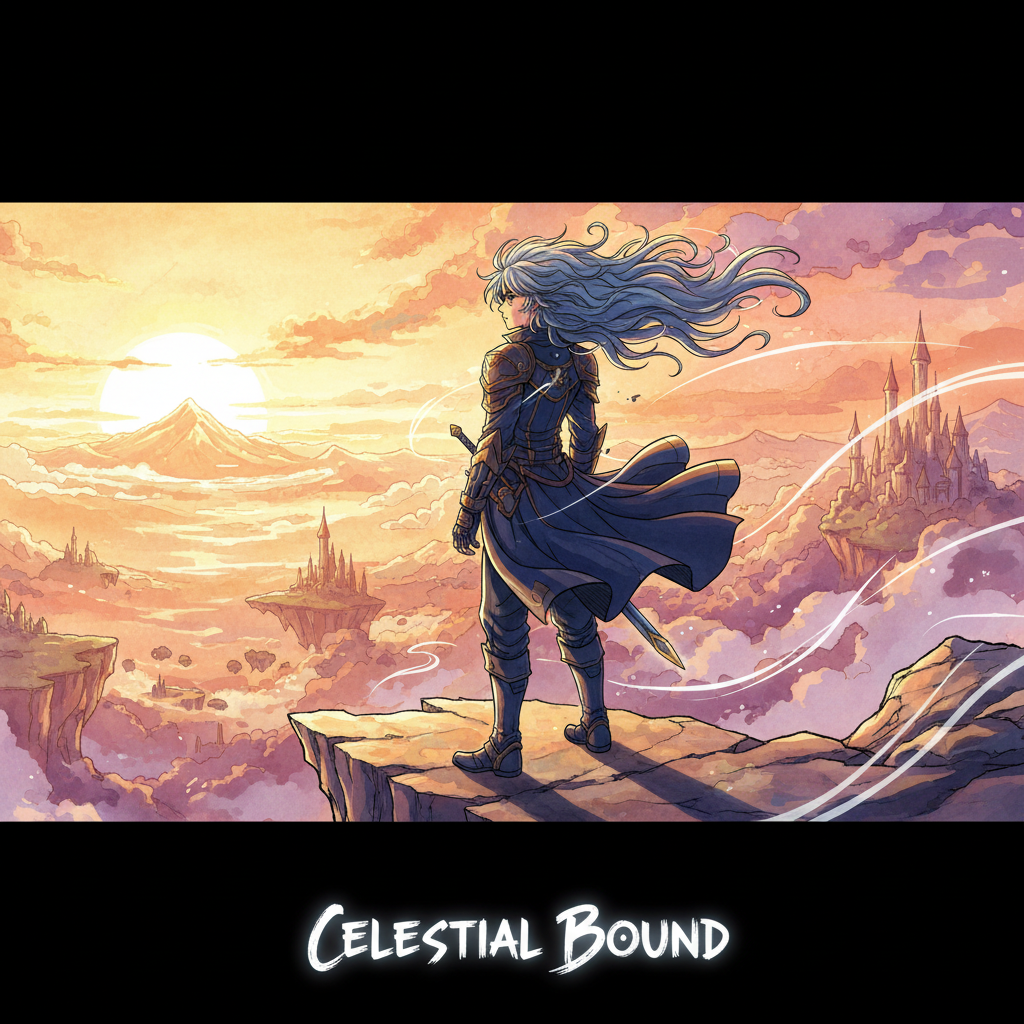
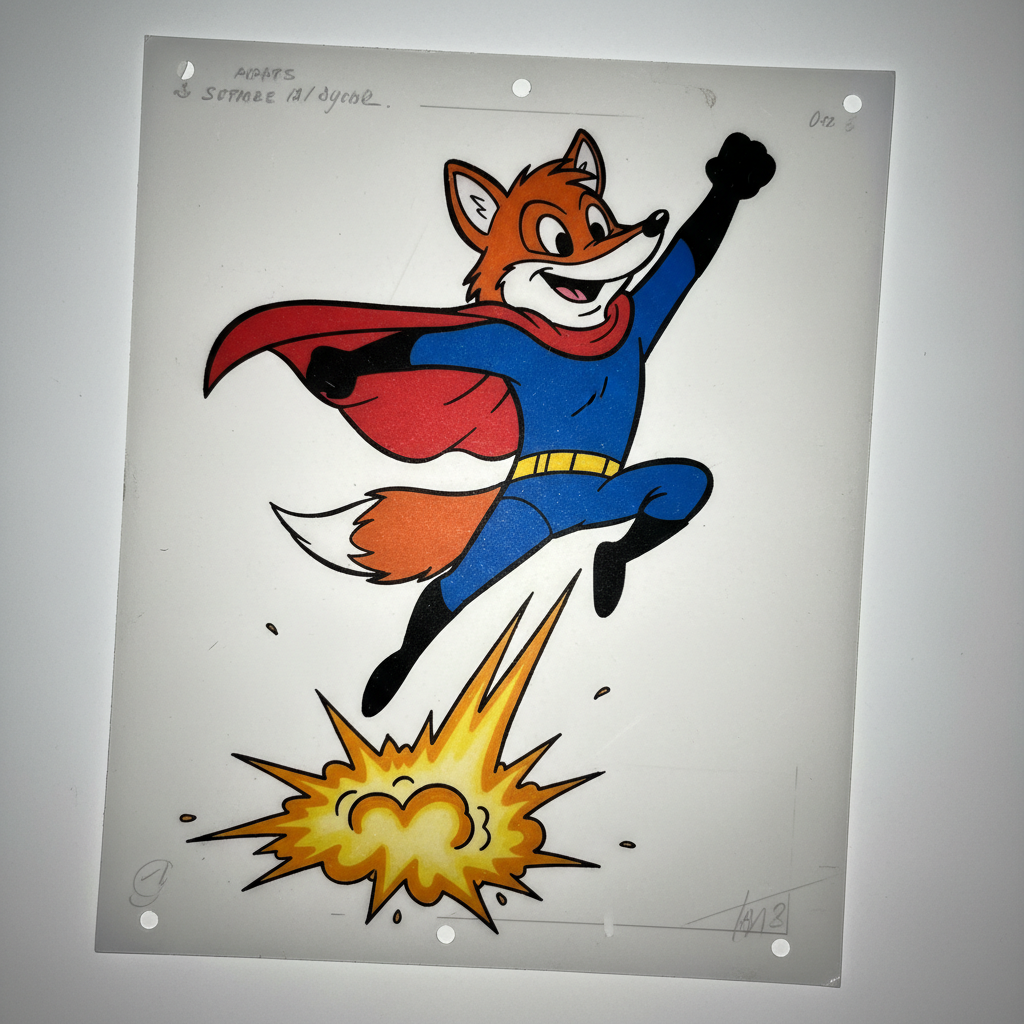
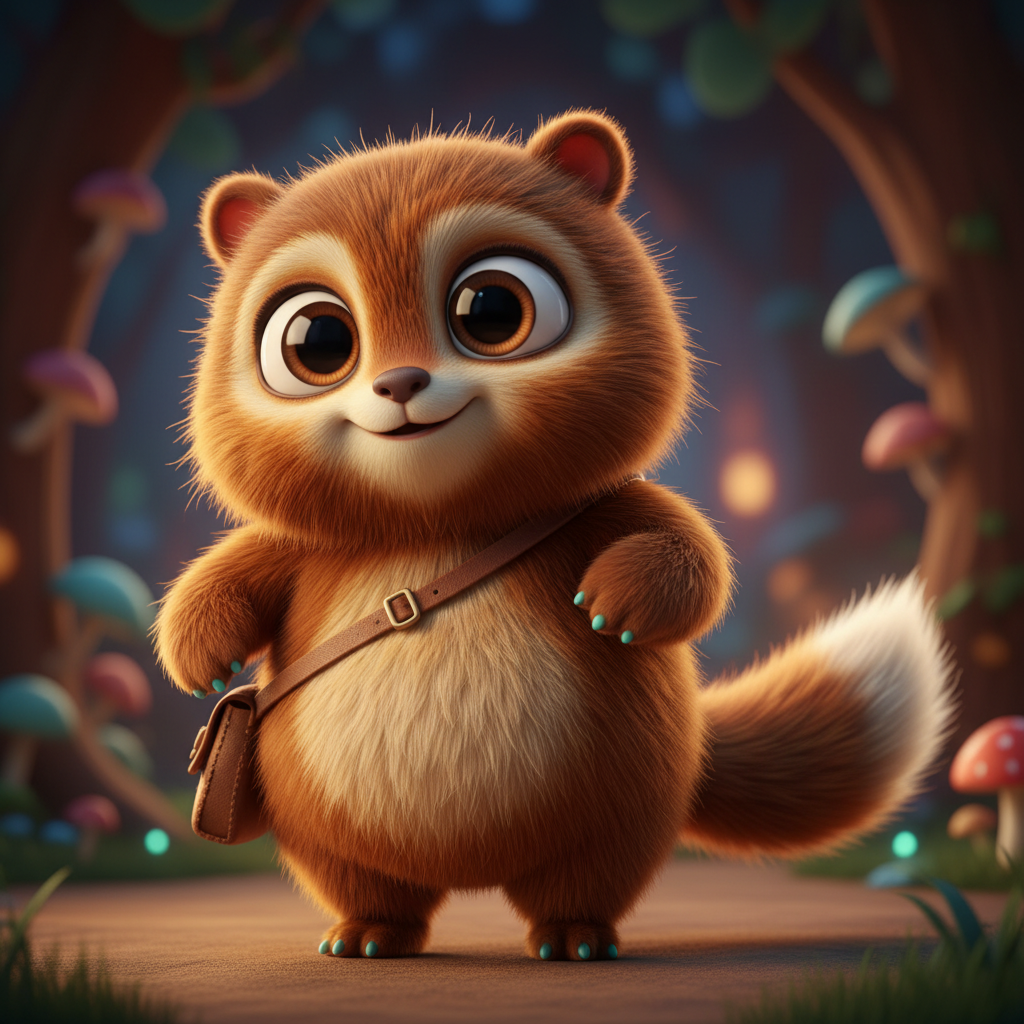
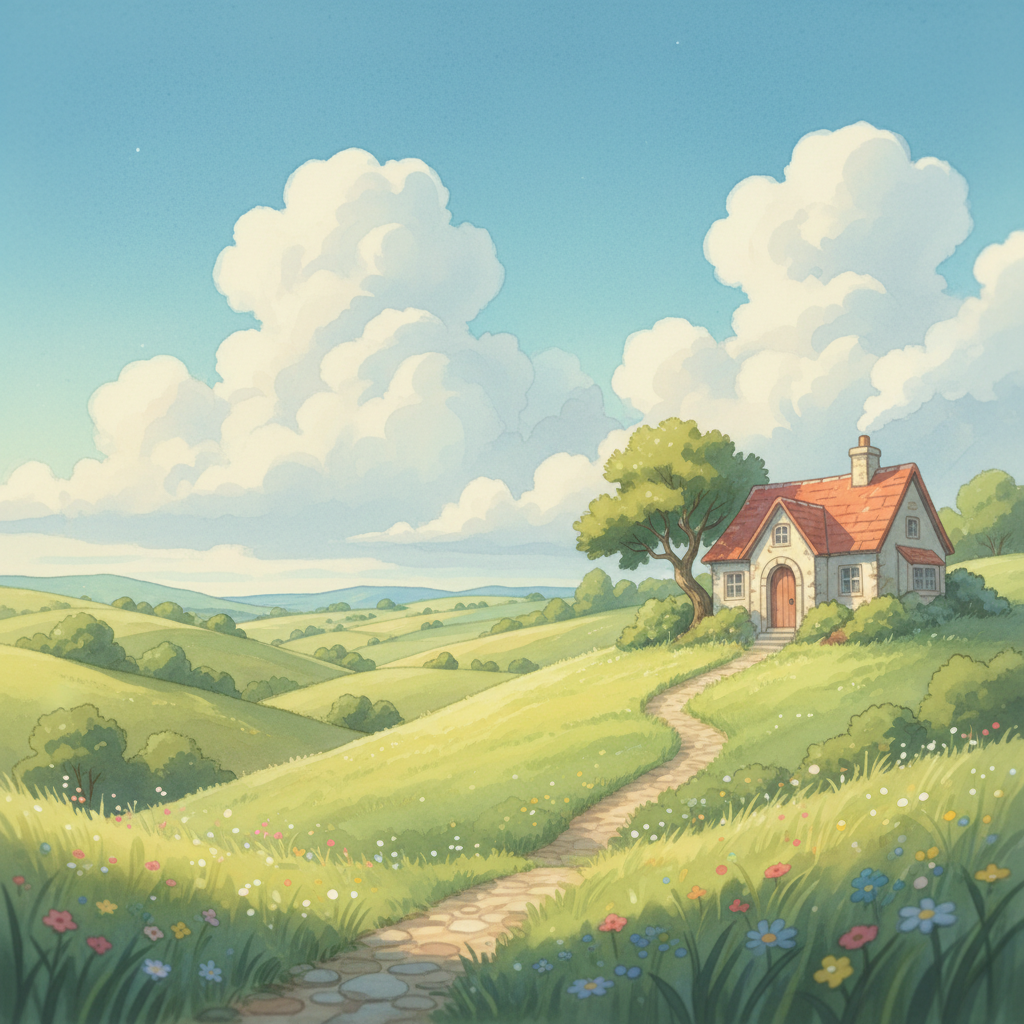
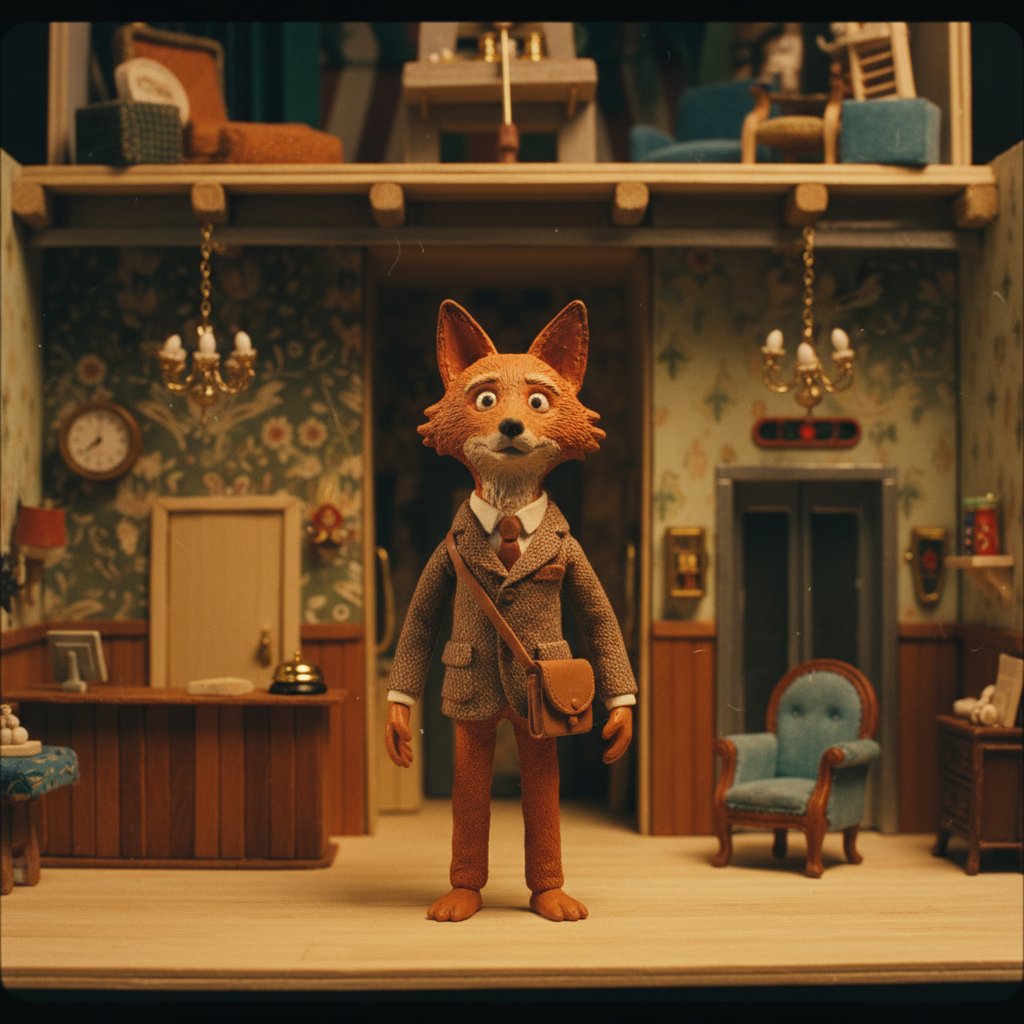
AI Video vs Traditional Animation — Style Range Showcase
Six animation styles produced by AI — anime, cel, Pixar, Ghibli, flat 2D, stop motion. Same range traditional animation studios charge $10K-$100K per finished minute to deliver.
AI Video vs Traditional Animation — The Honest Scorecard
Side-by-side on the metrics that decide real production budgets in 2026
| Metric | AI Video / AI Animation | Traditional Animation |
|---|---|---|
| Cost per finished minute | $20 – $200 | $1,000 – $100,000 |
| Turnaround time per minute | Hours | 2 – 16 weeks |
| Style range per artist | 12+ styles in one day | 1 specialty per artist |
| Iteration / revision speed | Seconds per variation | Days per revision pass |
| Resolution / print readiness | Up to 4K, royalty-free | Up to 4K, license-tied |
| Character motion authoring | Limited — short clips, occasional drift | Full — frame-perfect acting |
| Long-form continuity | Hybrid — AI for art, hand for motion | Full feature-length |
| Best for | Indie shorts, animatics, key visuals, pitch reels, social | Theatrical features, broadcast series, hand-craft showcases |
AI Video vs Traditional Animation — How AI Wins on Speed
Production-ready animation art in three steps — versus six weeks of traditional pipeline
Pick an Animation Style
Choose one of eight curated style presets — Anime, Classic 2D Cel, Pixar 3D CG, Studio Ghibli, Flat 2D Motion, Stop Motion, Cyberpunk Anime, or Indie Hand-Drawn. Each preset primes the AI animation tool with the right palette, line work, lighting, and compositional grammar of a specific animation tradition. Traditional animation requires hiring an artist who specializes in that single style — AI video vs traditional animation on style range is not a close fight.
Describe Your Scene
Optionally describe your character, setting, mood, and time of day — ”young hero with windblown hair on a cliff at sunset, dramatic backlight” — and the AI animation tool composes the entire artwork in your direction. In traditional animation, that same brief becomes weeks of storyboard, layout, key frame, in-between, cleanup, and ink-and-paint work. AI video vs traditional animation on iteration speed gives you the kind of creative freedom hand-animation pipelines simply cannot.
Download & Ship
Download your finished animation art at up to 4K — ready for animatic boards, pitch deck slides, social-media motion graphics, marketing key art, indie short visual development, or print merchandise. Royalty-free with full commercial rights, no studio licensing chase. Traditional animation deliverables come with rights agreements, residuals, and weeks of legal paperwork. AI video vs traditional animation on shipping speed is the deciding factor for most modern production teams.
Where AI Video Wins the Animation Comparison
Six concrete advantages AI video and AI animation tools bring over traditional animation pipelines in 2026
50× to 500× Cheaper Per Minute
AI video and AI animation tools cost $20-$200 per finished minute of art — versus $1,000-$100,000 per minute for traditional animation. AI video vs traditional animation on raw cost analysis breaks heavily in AI’s favor for indie filmmakers, brand explainer-video budgets, marketing key art, and pitch-deck animatics. The cost gap is wide enough that entire categories of animated content — explainer videos, social-media animated posts, indie short proof-of-concepts — are now economically viable that simply were not before AI.
12 Animation Styles in One Afternoon
Traditional animation specializes — a Disney 2D animator spent decades training in clean-up and ink-and-paint, a Pixar rigging artist trained in 3D character animation, a stop-motion maker trained in armature and clay. One AI animation artist can deliver work in twelve different animation traditions in a single afternoon — anime, Pixar, Ghibli, flat 2D, stop motion, cyberpunk anime, indie hand-drawn — at consistent professional quality. AI video vs traditional animation on style range is the most one-sided line item in the comparison.
Iterate in Seconds, Not Days
A traditional animation revision pass — change the character’s costume color, adjust the lighting on a key shot, swap the background style — costs days or weeks of redrawing, repainting, and cleanup work. AI video and AI animation tools iterate in seconds. Generate twenty character costume variations in five minutes and pick the strongest one. AI video vs traditional animation on creative iteration speed is the reason modern art directors use AI for visual development even when the final shot will be hand-animated.
Royalty-Free for Commercial Use
Every animation art frame produced by AI video tools comes with full commercial rights — no studio licensing fees, no per-broadcast residuals, no rights-clearance paperwork. Traditional animation studios deliver work tied to elaborate licensing terms covering specific territories, formats, and time windows. AI video vs traditional animation on rights cleanliness gives indie filmmakers, brand marketers, and small-team production studios the legal headroom they need to ship commercial work fast without legal review bottlenecks.
Pitch Reels & Animatics in Hours
Traditional animatic production runs 1-3 weeks per minute even at indie quality. AI video and AI animation tools collapse that pipeline into hours. A complete animatic — character lineup, environment portfolio, style frames, action beats — can ship in a single working day. AI video vs traditional animation on pitch-reel velocity is why indie filmmakers, kickstarter campaigners, and festival short directors are running AI-first workflows for visual development in 2026, even on projects whose final shots will use traditional craft.
Production-Ready 4K Output
Our AI animation tool renders at up to 4K (4096×4096), production-ready for animatic boards, pitch deck slides, social-media motion graphics, marketing key art, indie short visual development, and print merchandise. Traditional animation delivers comparable resolution after weeks of cleanup and ink-and-paint work. AI video vs traditional animation on production-ready output speed is the practical reason most indie and brand-side animation pipelines now use AI for everything except the final hero shots that need expressive character acting.
AI Video vs Traditional Animation in Real Workflows
Where indie filmmakers, brand teams, and animation studios are choosing AI — and where they still pick traditional
Indie Animated Shorts
Indie animated short directors use AI video tools for full visual development — character lineup, environment portfolio, style frames — then hand-animate only the final hero shots that need expressive character acting. AI video vs traditional animation in the indie short workflow saves three months of pre-production and frees the animator to spend creative time on motion authoring rather than concept iteration.
Kickstarter Pitch Reels
Kickstarter and indie crowd-funded animation campaigns use AI video and AI animation art tools to produce complete pitch reels — full animatic boards, hero key art, character lineup, environment showcase — in days rather than the months traditional animation pre-production demands. AI video vs traditional animation for pitch-reel work is no longer a debate — AI is the practical default for any campaign on a real timeline.
Brand Explainer Videos
Brand marketing teams use AI video for animated explainer videos, animated social posts, animated banner ads, and animated product launch reels. AI video vs traditional animation for brand work breaks heavily in AI’s favor on cost — a single 60-second animated explainer that traditional animation would price at $30K-$60K can ship for a few hundred dollars in AI credits and a designer’s afternoon, freeing brand budget for media buys instead of production.
Theatrical Feature Films
Pixar, Disney, Studio Ghibli, Cartoon Saloon, Laika — theatrical-grade animation feature films still use traditional animation pipelines for the actual shot production, and probably will for years. AI video vs traditional animation in theatrical features is hybrid — AI handles concept art, style frames, look development, environment plates, and animatic boards. Traditional craft handles the final hero animation that needs frame-perfect acting and motion fidelity.
Game Studio Animation Dev
AAA and indie game studios use AI video tools for cinematic concept art, character animation reference, environment style frames, and marketing key art. AI video vs traditional animation in the game-development pipeline frees the studio’s in-house animation team to focus on real-time character animation and gameplay-loop motion authoring instead of pre-production concept iteration that AI can deliver in an afternoon.
Educational & E-Learning
Online courses, e-learning platforms, and educational YouTube channels use AI video for animated lesson content, animated infographics, and animated explainer segments. AI video vs traditional animation for e-learning content is the deciding factor for course economics — animated lesson content that traditional animation pricing would make impossible at e-learning rates is now economically viable for any course creator with an AI animation tool subscription.
Frequently Asked Questions
Everything you need to know about AI video vs traditional animation in 2026
Try the AI Side of the Animation Comparison — Free
No signup. No credit card. Generate animation art in any style — anime, Pixar, Ghibli, flat 2D, stop motion — and judge AI video vs traditional animation quality with your own eyes. Premium plans start at $2.99 for more credits and batch generations.
Start Creating NowAI Video vs Traditional Animation — The 2026 Verdict
Where AI Video Wins the Animation Comparison
AI video vs traditional animation in 2026 is a settled debate for most production budgets under $50K — AI wins on cost, speed, and style range, and the gap is wide enough that entire categories of animated content are economically viable for the first time. Indie animated shorts, kickstarter pitch reels, brand explainer videos, animated social media posts, animatic boards, marketing key art, e-learning lesson content, and game-studio concept work all run AI-first workflows in 2026. A single AI animation artist can ship work that would have required a six-week traditional animation pipeline and a $30K production budget — in one afternoon for a few hundred dollars in API credits.
Style range is the most lopsided line item in the AI video vs traditional animation comparison. Traditional animation specializes — a 2D Disney clean-up artist trained for decades in one aesthetic, a Pixar rigging artist trained in 3D character animation, a stop-motion artisan trained in armature and clay craft. AI video tools deliver consistent professional quality across twelve animation traditions — anime, classic Disney 2D, Pixar 3D CG, Studio Ghibli watercolor, flat 2D motion graphics, stop motion, cyberpunk anime, indie hand-drawn, ligne claire, retro Saturday-morning cartoon — in a single afternoon with a single artist and one AI subscription. No traditional animation pipeline can match that style breadth without hiring a dozen specialists.
Iteration speed is where AI video pulls ahead even on projects with theatrical-grade quality targets. Traditional animation revision passes — change a character costume color, adjust key shot lighting, swap a background style — cost days or weeks of redrawing, repainting, and cleanup. AI iterates in seconds. Generate twenty character costume variations in five minutes and pick the strongest. AI video vs traditional animation on creative iteration is why modern art directors use AI for visual development across the entire industry — even on projects whose final hero shots will be hand-animated by traditional craft specialists.
Where Traditional Animation Still Wins
Traditional animation still wins for full theatrical-grade finish and feature-length character acting. Pixar, Disney, Studio Ghibli, Cartoon Saloon, and Laika all run traditional pipelines for final shot production, and probably will for years. AI video vs traditional animation on clean continuous motion across long sequences, frame-perfect lip sync, expressive character acting, and hand-tuned squash-and-stretch timing still favors traditional craft. AI video tools in 2026 produce remarkable single frames and short clips, but coherent character motion across the kind of long-form sequences theatrical features demand is still where traditional animation pipelines have the lead — and where the lead is most defensible against the next round of AI capability.
Hybrid workflows are the practical 2026 answer. Modern animation studios increasingly run AI video tools for early-stage visual development, animatic boards, concept art, environment plates, and rapid iteration on style — then hand the final shots to traditional animation craft for the motion authoring and character acting that AI cannot yet match. AI video vs traditional animation is not a replacement question for serious production teams — it is a hybrid pipeline question. The studios that have figured out the right division of labor between AI and traditional craft are shipping work three to ten times faster than the studios still running pure traditional pipelines, without any drop in finish quality on the final shots.
Try our AI animation art generator above before you commit budget either way. Generate animation art in any of eight curated style presets — Anime, Classic 2D Cel, Pixar 3D CG, Studio Ghibli, Flat 2D Motion, Stop Motion, Cyberpunk Anime, Indie Hand-Drawn — at up to 4K resolution and royalty-free for commercial use. The free tier covers enough credits to judge AI video vs traditional animation quality on your own project before committing. Premium plans start at $2.99 for more credits, batch generations, and priority processing — a fraction of what a single week of traditional animation pre-production would cost on any real project.
Pick your side of the AI video vs traditional animation comparison — or run both in a hybrid pipeline. No signup, no credit card, no watermarks. Royalty-free animation art in eight curated styles, full commercial rights. Premium plans from $2.99 for more credits and batch generations.