
AI Trophy Design Generator
An award is the one design brief where the words are the whole point and the words are the last thing added — by an engraver, days later, once somebody has actually won. So this AI trophy design generator settles the object instead: the shape, the material, the finish and the proportions, with the engraving plate left deliberately blank. Six award formats, up to 4K, about twenty seconds each.
Try the AI Trophy Design Generator Free
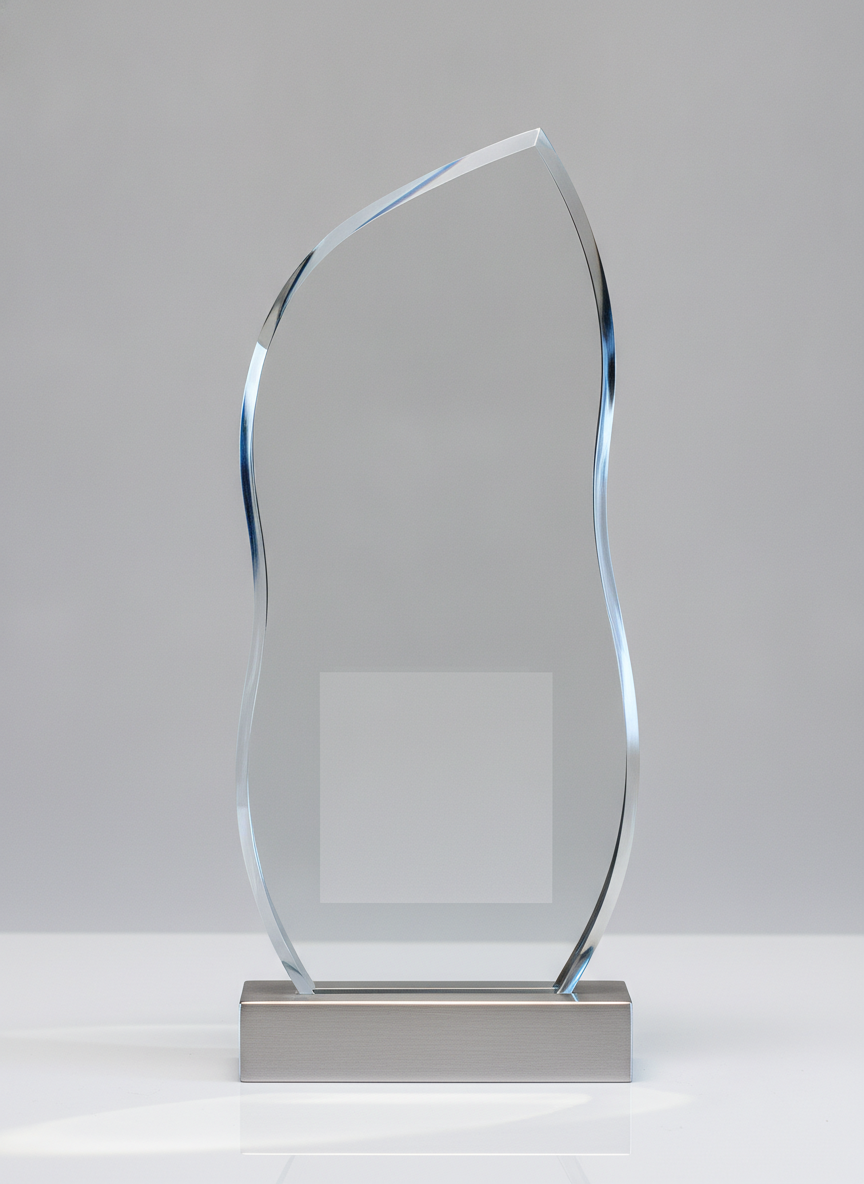
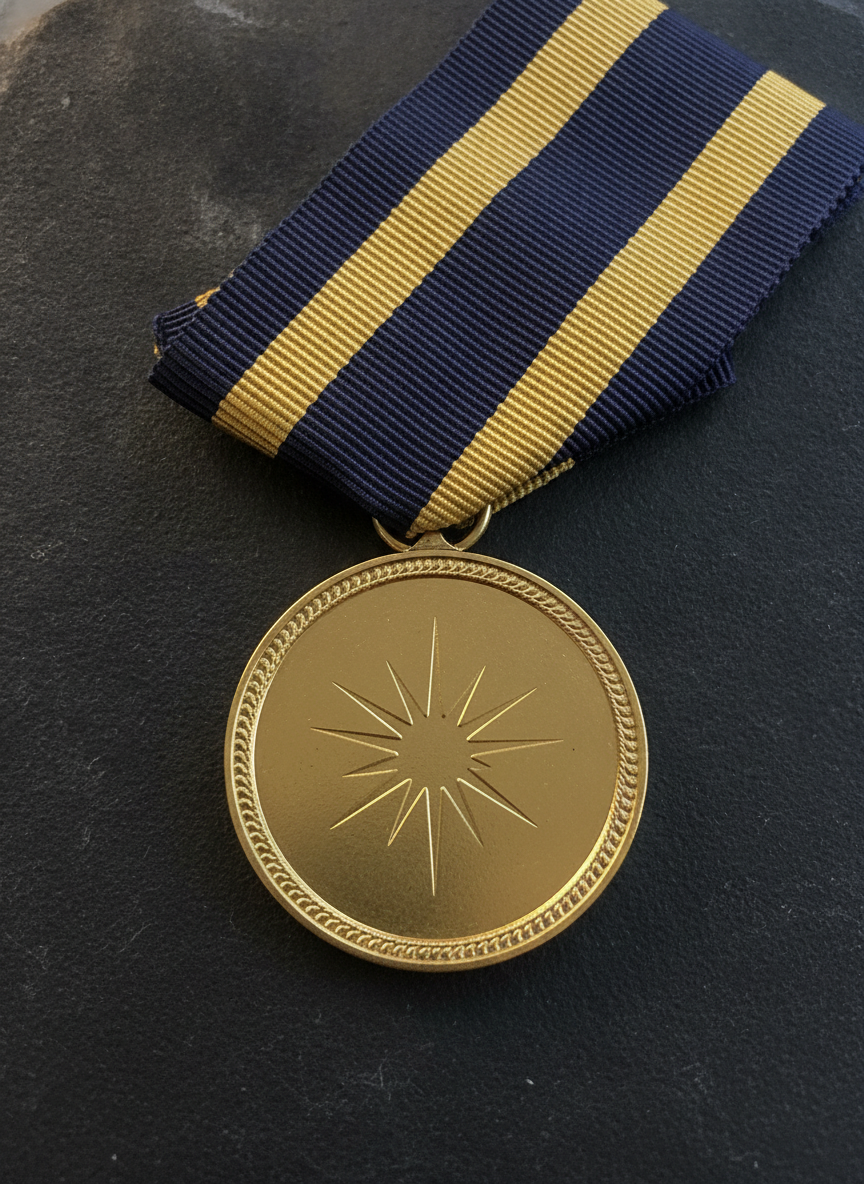
Pick the award format first, because the format decides how the thing gets made and what it costs. A classic cup is assembled from catalogue parts. An acrylic award is laser-cut, which is the friendliest route to a genuinely custom shape. Crystal needs light behind it to look like anything. A sport figure is a moulded topper on a base, a corporate sculpture is bought for its silhouette, and a medal is struck from a die. Describe the occasion, the materials and the colours in the box to steer any of them.
AI Trophy Design Generator
Choose an award format, describe the occasion and materials, and get a photoreal trophy concept at up to 4K
What the AI Trophy Design Generator Produces
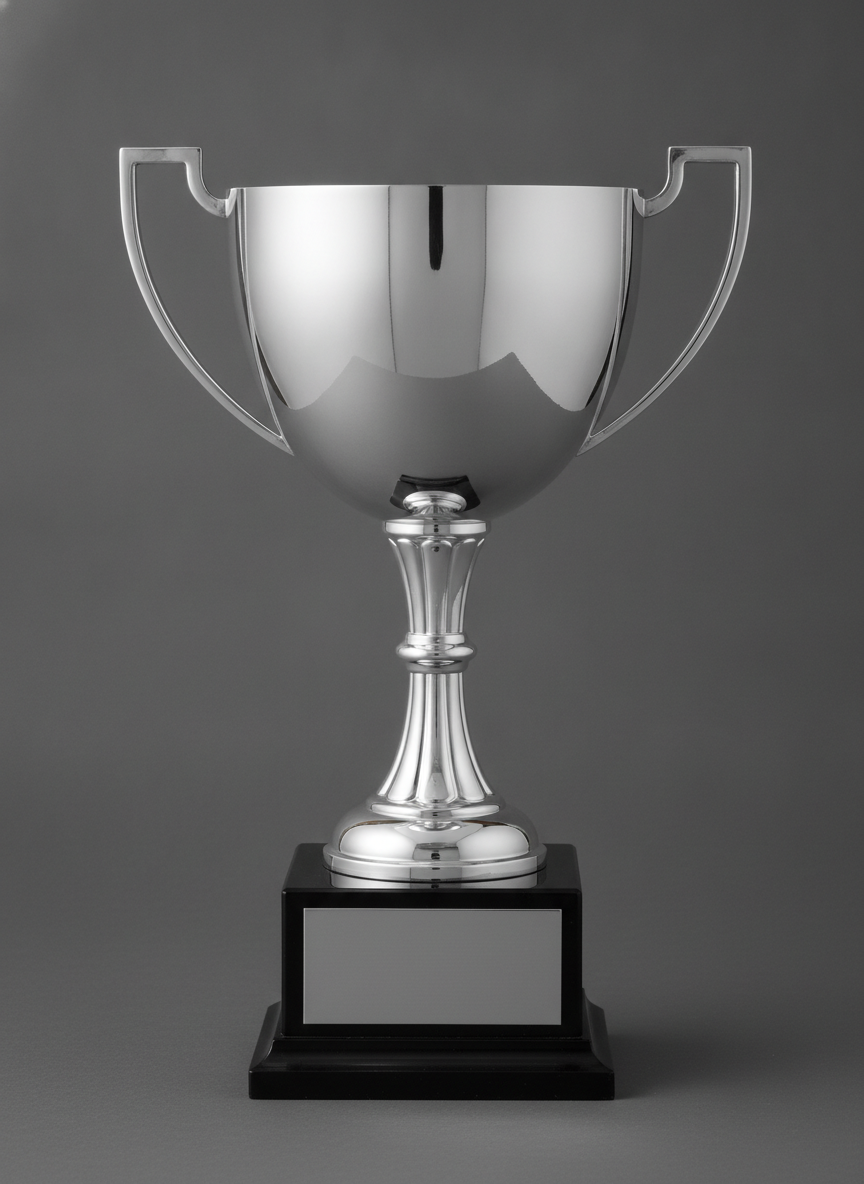
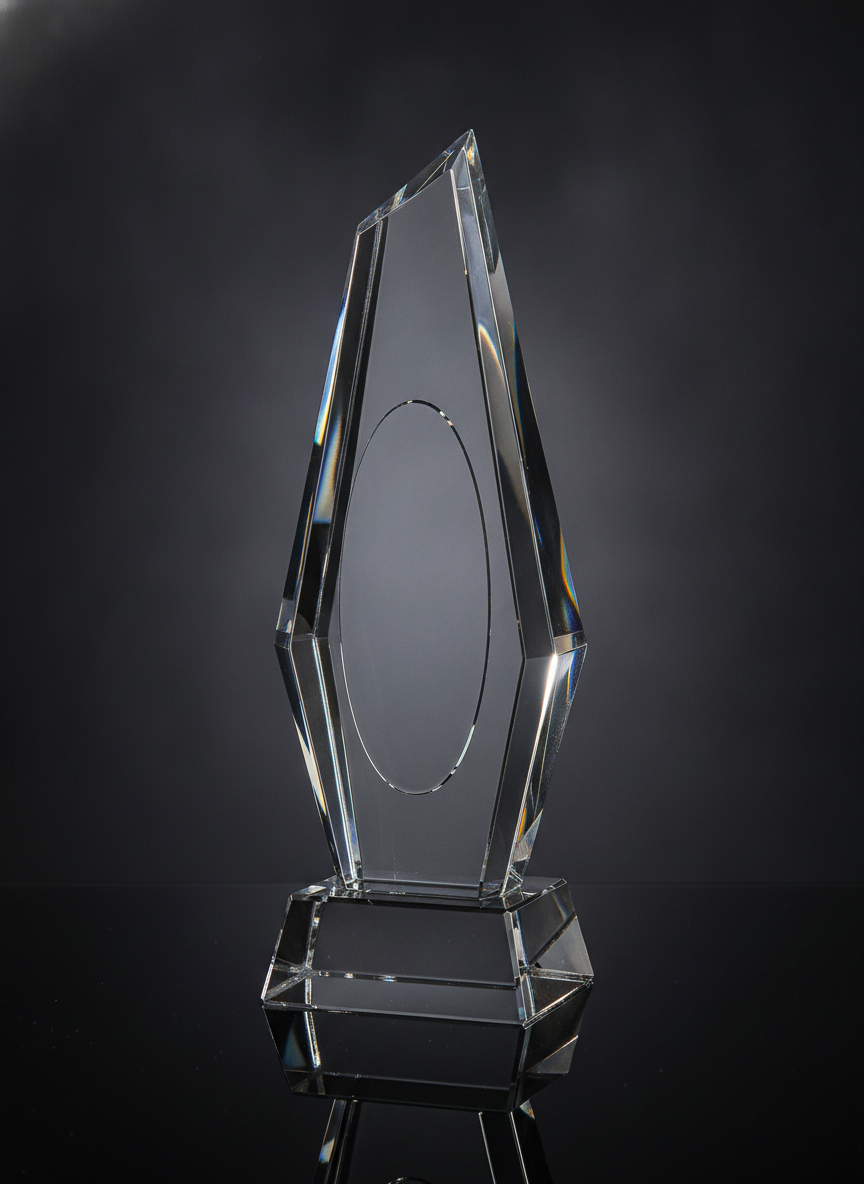
Six award formats rather than six decorative styles, and every plate in them is empty. Two of these make the page’s argument for it: the crystal peak only exists because it is lit from behind against a black ground, which is exactly what a bright stage or a pale office shelf will not do for it, and the silver cup has a broad reflection of the studio smeared across its bowl — mirror-polished metal shows you whatever room it is standing in, including the photographer.

How the AI Trophy Design Generator Works
Pick the Format, Not the Style
Cup, acrylic, crystal, figure, sculpture or medal. That choice decides the manufacturing route, the lead time and most of the cost, long before anything decorative does. Add the occasion and the materials in the description box.
Generate and Compare Side by Side
About twenty seconds each, so make several and put them next to each other. Awards are judged as a set — first, second and third are usually the same design in graded heights — and silhouette differences that look subtle on their own become obvious in a row.
Send It as a Brief
Download at up to 4K and give it to an awards supplier or fabricator with the height, material, finish, plate size and quantity written alongside. They will tell you which parts are catalogue stock and which need tooling, and engrave the plate last.
Why Use This AI Trophy Design Generator
Any image tool can draw a gold cup. Very few are set up for an object that gets assembled from stock parts, engraved by somebody else at the last minute, and photographed once in the winner’s hands.
Six Award Formats, Not Six Looks
Classic cup, clear acrylic award, crystal peak, sport figure, corporate sculpture and medal with ribbon. The theme and materials are yours. Which format you choose is what actually determines how the award is made and what it costs.
The Plate Stays Blank on Purpose
Every preset renders an empty engraving plate. That is how real awards are made — the plate is engraved last, once there is a winner — and it avoids the one failure mode that ruins a trophy, which is a generated name spelled wrong in metal.
Built Around How Awards Are Manufactured
The presets reflect real routes to production: catalogue components for cups and figures, laser-cut acrylic for bespoke shapes, struck dies for medals. That is what makes a render useful to a supplier rather than just pretty.
Materials That Behave Differently
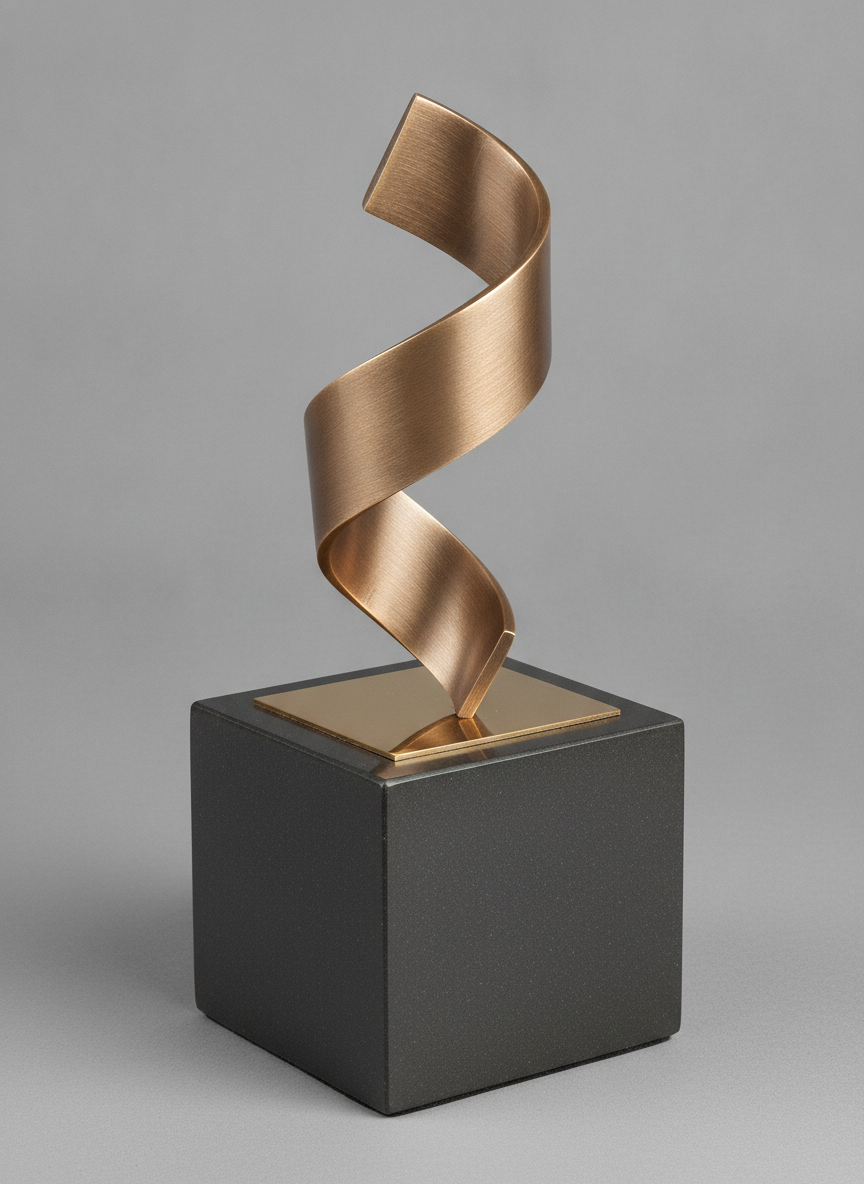
Plated resin, cast metal, optical crystal, acrylic and stone all reflect, refract and photograph in their own way, and the presets light each one the way it actually needs to be lit. Crystal against dark, brushed bronze under a raking light.
No Real Awards Copied
Famous statuettes, league trophies, the Olympic rings and club crests are trademarks and registered designs. Every preset carries an exclusion for them, so what comes back is an invented award you can safely commission.
It Makes a Concept, Not a CAD File
Worth saying plainly: this produces a photoreal design concept. There are no dimensions, no tolerances and no tool paths in what you download, so the height, material, finish and plate size go to the fabricator as written notes.
What Makes a Good Trophy Design
Five things that decide whether an award ends up on a shelf for twenty years or in a drawer by Christmas — none of which are about how ornate it is.
The engraving is the point, and it is added last
An award without a name on it is an ornament. The name is what makes it an award, and it is also the part that has nothing to do with the design: the winner is usually unknown until the day, so the plate is a separate strip of aluminium or brass that is engraved locally and then screwed or adhered on, or the text is laser-etched into acrylic or glass after the blank is made. That has real consequences for the design. Leave a flat, unobstructed, reasonably generous area for it, on the front of the base where it can be read from standing height rather than on a curved surface a rotary engraver cannot follow. If the trophy is perpetual — the club cup that gets handed on every year — design in room for twenty small plates, usually as bands around the plinth or a shield-shaped surround, because running out of space is what forces a perpetual trophy into retirement. And do not generate the wording: image models garble names and dates, and a misspelling in engraved metal is permanent in a way a misprint never is.
A trophy is assembled from catalogue parts, not sculpted
The trade works in components. A cup, a stem, a riser, a column, a plinth and a topper are separate stock items that an awards supplier combines into hundreds of apparently different trophies, which is why the same silhouette appears at every school sports day in the country. That is not a criticism — it is why a decent trophy can cost fifteen pounds and arrive in a week. It only matters because it tells you where a custom design is cheap and where it is expensive. Recombining stock parts, changing a base, changing a plate: cheap. A genuinely new moulded shape: a tool has to be cut, so expect a minimum order in the hundreds and a lead time in months. If you want a one-off custom shape, the routes that skip tooling entirely are laser-cut and engraved acrylic, CNC-machined or laser-engraved wood and slate, and 3D printing, and they are what most bespoke corporate awards actually are. Show your render to a supplier and ask which parts of it are stock — the answer usually reshapes the design in a useful way.
Material sets the perceived value before the design does
People judge an award with their hands. Most classic gold and silver trophies are metal-plated resin, which looks entirely convincing in a photograph and is light enough that picking one up is faintly disappointing; solid cast metal costs several times more and feels like it. Optical crystal is the standard for corporate recognition because it refracts light beautifully, but it needs a light source behind or below it to do anything at all, it chips on the edges, and it really needs a presentation box. Clear acrylic is the most permissive material for a custom shape and takes internal laser engraving that reads bright white, though it scratches and can look plasticky under hard light. Wood and slate feel considered and sustainable and engrave crisply. None of this survives a screen: monitor gold is not plated gold, and polished, satin and antique finishes of the same metal look like three different materials in a room. Specify the finish in words and ask for a sample.
It is read at three distances, and photographed at one
An award is seen from across the room while it is being presented, at arm’s length while it is being handed over, and at about a metre for the next twenty years on a shelf. Then there is the photograph of the winner holding it, which is the version most people will ever see and the one that ends up in the newsletter. All four favour silhouette over surface: a distinctive outline survives a bad phone photo at the back of a hall, while intricate surface engraving disappears into a smear of highlights. Two practical consequences. First, mirror-polished metal reflects the room, the flash and the photographer, so a satin or brushed finish photographs more reliably than a chrome one. Second, clear acrylic and crystal need something dark behind them or they vanish — on a bright stage against a white backdrop, a crystal award is close to invisible until someone lights it. If the award is being presented on camera, choose the material for the backdrop it will be presented against, not for the studio shot.
Awards are a trademark minefield, and the famous ones are guarded
The best known statuettes and trophies are registered designs and trademarks belonging to the bodies that award them, and those bodies enforce actively — lookalike statuettes at corporate events are a recurring legal story rather than a theoretical risk. The Olympic rings and the word Olympic carry their own statutory protection in many countries, separate from ordinary trademark law, and league and club crests are trademarks like any other logo. So design your own award rather than an homage to a famous one, and be careful about what gets engraved on it too: use only crests, logos and sponsor marks you own or have written permission to use. Two smaller notes worth knowing. In the United States, purely AI-generated images are not registrable for copyright, so treat the render as a working concept rather than an asset you can defend. And if the award is for a competition with prizes or entry fees, the rules governing the competition itself are an entirely separate matter from the object you are having made.
Tools That Pair With This One
Certificate Generator
The paper half of the same job, and the one place wording belongs: a certificate is laid out with the recipient name and the award set as type, which is exactly what a trophy plate cannot be.
Logo Generator
For the club or company mark that gets engraved on the plate or etched into the crystal. Settle the mark separately, then hand it to the engraver as artwork rather than hoping it appears in a render.
Statue Generator
A different sculptural job — it turns a photograph of a person into marble or bronze, rather than designing an award to be manufactured and engraved.
AI Trophy Design Generator FAQ
Settle the Award Before You Order It
Twenty seconds and no sign-up to see whether your award reads as generous or as cheap, and whether crystal or brushed bronze suits the room it will be presented in. Considerably cheaper than finding out from a box of fifty.
Start Designing FreeAbout the AI Trophy Design Generator
This AI trophy design generator creates photoreal concepts of custom awards using Nano Banana Pro. Choose one of six formats — classic cup, clear acrylic award, crystal peak, sport figure, corporate sculpture or medal with ribbon — describe the occasion, the materials and the colours, and the model returns finished award concepts at up to 4K in about twenty seconds. It is free to start with no account required, and what comes back is the part an awards supplier cannot decide for you: the shape, the material, the finish and the proportions of the object itself.
What separates a trophy design generator from a general image tool is that an award is a manufactured object with a job to do, not a picture. It is assembled from catalogue components, so the format you pick decides the cost and the lead time before anything decorative does. It is judged by weight as much as by looks, which is why plated resin and solid metal feel so different in the hand. It has to survive being photographed in a badly lit hall, which is why silhouette matters more than surface detail. And above all it carries a name that is engraved at the very end by somebody else, on a separate plate, once there is a winner — so every preset here renders that plate deliberately blank rather than filling it with invented lettering that would be misspelt anyway.
People come to an AI trophy design generator for a handful of distinct jobs. Sports clubs and schools need an annual or perpetual cup and want to see the options before ringing a supplier. Companies commission recognition awards and employee-of-the-year pieces where the brief is usually a vague request for something modern in glass, and a render turns that into a decision in an afternoon. Event organisers and awards ceremonies need a family of awards that look related across categories and graded places. Esports and gaming leagues want something that photographs well on a stream. And fabricators and trophy shops themselves use concepts like these to show a client an idea before quoting the parts.
Two limits are worth stating plainly. First, this produces a design concept rather than a manufacturing file: there are no dimensions, no tolerances and no tool paths in the download, so send the height, material, finish, plate size and quantity to your fabricator in writing alongside the image, and expect them to substitute catalogue components for parts that would otherwise need tooling. Second, keep the intellectual property clean. Famous statuettes, league trophies, club crests and the Olympic marks are protected, the presets here exclude that trade dress by default, and any logo you want engraved should be one you own. Design the object with the AI trophy design generator, then let the engraver put the words on it last.